
California’s water supply has always been shaped by extremes. Long stretches of dry weather followed by intense storms make it difficult to manage water consistently. That’s why the Sites Reservoir project has drawn attention. It’s not just another dam or canal. It’s a proposed off-stream reservoir designed to store water during wet periods and release it when conditions turn dry. The idea is simple: capture excess water when it’s available, then use it when it’s needed most.
Sites Reservoir would be located northwest of Sacramento, in a region that’s already familiar with the challenges of water scarcity. Unlike traditional reservoirs that sit directly on rivers, this one would be off-stream, meaning it wouldn’t block natural river flow. Instead, it would collect water diverted from the Sacramento River during high-flow periods. That approach helps reduce environmental disruption while still adding significant storage capacity.
The reservoir is expected to hold up to 1.5 million acre-feet of water. To put that into perspective, that’s enough to supply millions of households for a year. It’s also projected to increase Northern California’s water storage capacity by roughly 15 percent. That kind of boost could make a real difference during prolonged droughts, especially for agricultural regions and urban centers that rely on consistent water deliveries.
Why did the Sites Reservoir project receive a major funding boost?
The federal government recently approved a substantial funding increase for the Sites Reservoir project. The Bureau of Reclamation awarded $134 million in April 2025, adding to earlier contributions that now total more than $780 million. This includes funding from the Water Infrastructure Improvements for the Nation Act and the Infrastructure Investment and Jobs Act.
This funding isn’t just symbolic. It signals a commitment to long-term water planning and infrastructure development. The money will help move the project closer to construction, covering costs related to environmental review, engineering, and early site work. It also reflects broad support from water agencies, counties, and cities across California that see the reservoir as a practical solution to a persistent problem.
For those who’ve watched water projects stall due to budget constraints or regulatory hurdles, this kind of financial backing offers a sense of progress. It doesn’t mean the reservoir will be built overnight, but it does mean the project is no longer stuck in the planning phase.
What makes Sites Reservoir different from other water projects?
One of the key differences is how Sites Reservoir plans to operate. Because it’s off-stream, it avoids many of the ecological concerns tied to traditional dams. It won’t block fish migration or alter river ecosystems in the same way. Instead, it will rely on existing infrastructure to divert water during high-flow periods, then store it for later use.
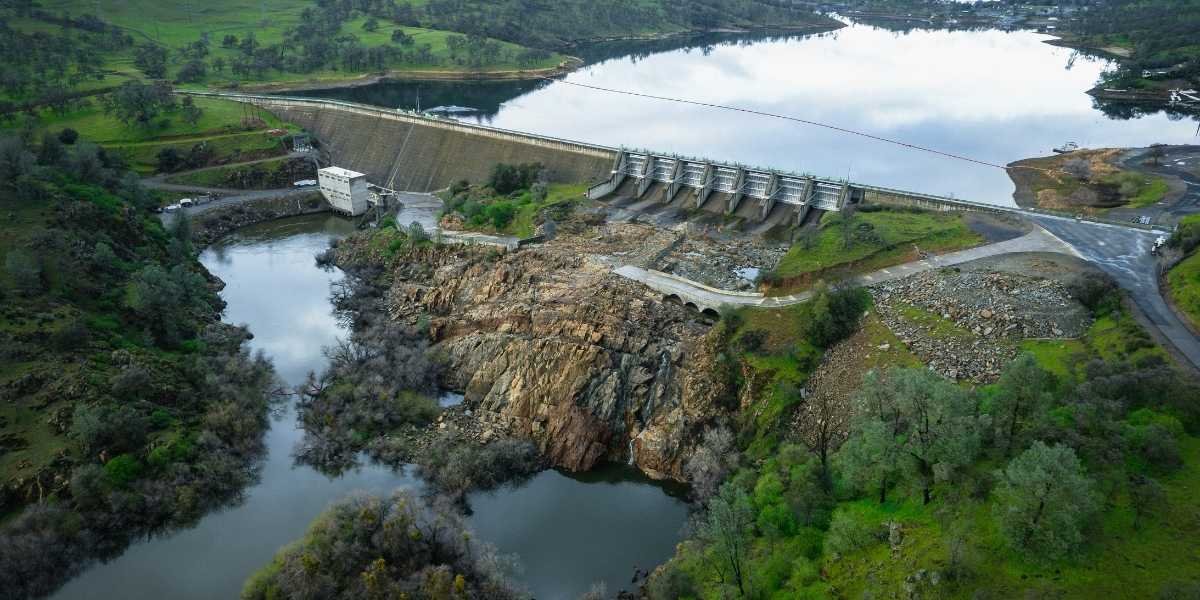
That approach allows for more flexibility. Water can be released to support environmental flows during dry spells, helping maintain river health. It can also be used to meet agricultural and municipal needs without drawing directly from rivers during critical times. In short, it’s designed to work with California’s natural water cycles, not against them.
The reservoir also offers operational benefits. It can be managed in coordination with other storage facilities, creating a more balanced system. That’s especially important during years when snowpack is low or rainfall patterns shift unexpectedly. By adding another tool to the state’s water management strategy, Sites Reservoir helps reduce reliance on any single source.
How might this impact drought resilience across California?
Droughts in California aren’t just inconvenient. They affect everything from food production to wildfire risk. When water supplies run low, farmers face tough decisions, cities impose restrictions, and ecosystems suffer. That’s why expanding storage capacity is so important.
Sites Reservoir is designed to capture water that would otherwise flow out to sea during storms. By storing that water, it creates a buffer against dry years. It doesn’t solve every problem, but it adds a layer of protection that’s been missing. It also helps reduce pressure on existing reservoirs, many of which are already stretched thin.
For communities that have dealt with water shortages, the promise of more reliable supply is meaningful. It’s not just about having enough water for daily use. It’s about planning ahead, knowing that there’s a system in place to manage uncertainty. That kind of resilience matters, especially as climate patterns continue to shift.
What are the next steps for the Sites Reservoir project?
With funding secured, the focus now shifts to formal agreements and construction planning. The Bureau of Reclamation and the Sites Project Authority are expected to negotiate a partnership that outlines roles, responsibilities, and timelines. That process will take time, but it’s a necessary step before any ground is broken.
Environmental review remains a key part of the process. The project must meet state and federal standards, addressing concerns related to wildlife, water quality, and land use. Public input will also play a role, as stakeholders weigh in on how the reservoir should be built and operated.
While some may feel frustrated by how long these projects take, the careful planning is meant to avoid mistakes and ensure long-term success. Water infrastructure isn’t something that can be rushed. It requires coordination, transparency, and a clear understanding of both risks and benefits.
For those watching the Sites Reservoir project unfold, the recent funding boost is a sign that progress is happening. It’s not just a concept anymore. It’s a project with momentum, backed by agencies that understand the stakes. Whether it’s farmers hoping for more consistent irrigation or cities looking to avoid future restrictions, the reservoir represents a step toward a more stable water future.