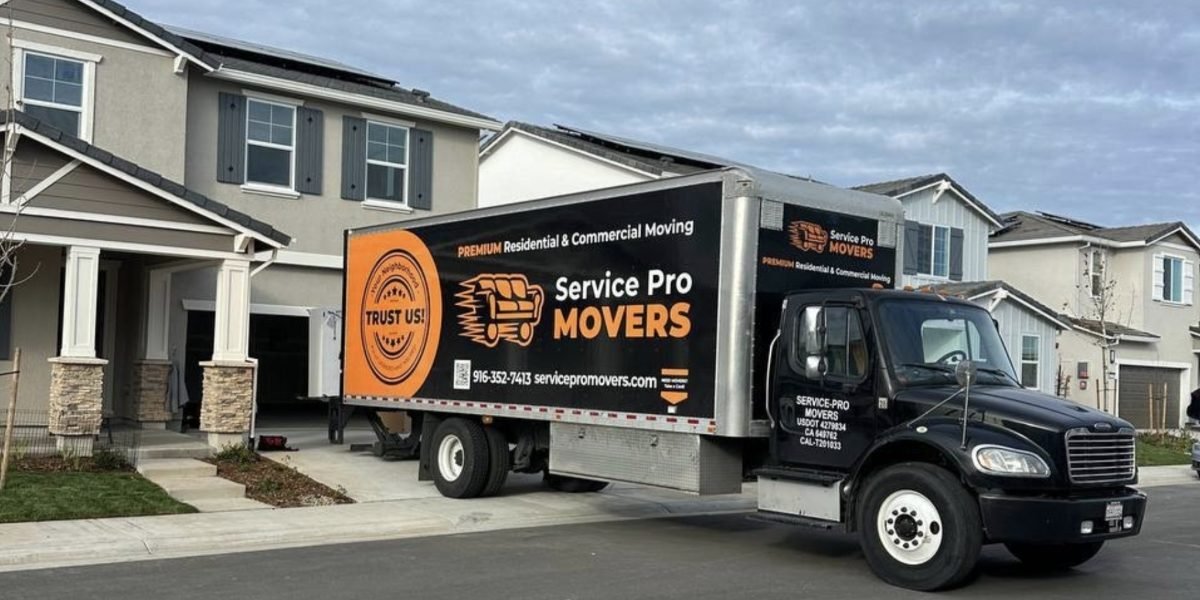

An office move fails in the details, not on the truck. Files go missing. Monitors sit unlabeled. Someone forgets the access code for the loading dock. If you are planning an office move in Sacramento, start with operations, not cardboard. The goal is simple: keep the team working, protect equipment, and reopen in the new space with as little chaos as possible.
Commercial relocations in Sacramento, CA, add extra friction. Downtown buildings often have freight-elevator windows. Midtown suites may share parking with residents. Summer heat can sit in a closed truck for hours. A crew that already handles office relocation services will flag those issues early. You still need a written plan your staff can follow.
Map the Move Before You Pack a Single Box
Walk both sites with a notebook, not a phone camera alone. Measure doorways, hallways, and elevator interiors. Note ceiling height if you have tall storage units. Photograph the current floor so you can rebuild workstations without guessing.
Ask building management three questions at both addresses:
- What are freight-elevator hours and reservation rules?
- Where can a truck stage, and for how long?
- Are there noise, insurance, or certificate-of-insurance requirements?
Sacramento property managers often need COI documents several days ahead. Missing that paperwork can stall a crew in the driveway while your staff waits upstairs.
Draw a simple floor plan of the new office. Mark power, data drops, and printer locations. Color-code departments. Movers work faster when they can see “accounting goes on the west wall” instead of asking every five minutes.
Protect Uptime Like It Is Inventory
Downtime is the real cost of a commercial move. Decide which functions cannot stop: phones, billing, customer support, and any on-site servers. If your team can work remotely for one day, schedule the physical move for that window. If they cannot, split the relocation. Move storage and unused furniture first. Move live workstations last.
Build a “go bag” for the first morning in the new space:
- Router, switches, and labeled patch cables
- Laptop chargers and a power strip per cluster
- Printer toner, paper, and a small tool kit
- Keys, fobs, alarm codes, and vendor contacts
- A printed seating chart
Keep that bag with a manager, not on the truck. If traffic on I-80 or Highway 50 slows the load, your team can still boot up.
Pack Offices the Way People Actually Work
Residential packing habits fail in offices. Desks look empty until you open a drawer full of cables, stamps, and half-used notepads. Give every employee one banker’s box and one cable bag. Set a hard deadline: personal items leave two days before the crew arrives. Anything left gets packed as company property.
Label on two sides and the top. Use a three-part code: department, desk number, room in the new building. Example: MKTG-12-RM204. Tape a matching tag on the empty desk so the setup crew can match box to station.
IT needs its own protocol. Photograph the back of each workstation before unplugging. Zip-tie cables to the monitor they belong to. Never stack servers on their sides. Copiers and plotters often need a vendor tech to lock the drum and release transport bolts. Call that vendor a week out, not the morning of the move.
Furniture systems take longer than people expect. Cubicle walls, work surfaces, and overhead bins come apart in a sequence. Photograph each bay. Bag screws by workstation. If you skip this, reassembly turns into a puzzle on a tight timeline.
Brief the Team Like a Project, Not a Memo
A Slack message is not a move plan. Hold a 20-minute standup one week out. Cover dates, packing rules, parking, and who to call if something breaks. Name one floor captain per department. That person answers questions so you are not fielding 40 texts at once.
Tell staff what not to pack: plants that leak, open liquids, cash, and original legal files that should travel with a manager. Remind everyone to back up files to the cloud before unplugging.
People get tense when their workspace disappears. Acknowledge it. A short, clear timeline lowers that stress more than pep talks. “We pack Thursday. Crew arrives Friday 7 a.m. You work remote Friday. Monday we sit in the new rooms.” That is enough.
Work the Sacramento Calendar and Climate
Planning an office move in Sacramento means reading the calendar. State offices, midtown events, and farm-to-fork festival weekends can clog streets. Downtown loading zones fill early. Book freight elevators as soon as the lease is signed.
Heat matters. Electronics and adhesives hate a closed trailer in July. Ask the crew to park in shade when they can, and to keep the truck moving rather than sitting loaded overnight. Winter fog on I-5 can delay a morning start. Build a one-hour buffer into the first-day schedule.
If your new suite is in a high-rise, confirm after-hours access. Many buildings allow weekend moves only. That can be better for your clients, but it means overtime coordination with security and HVAC. Get those names in writing.
Choose Help Without Turning It Into a Sales Pitch
You can self-move a three-person studio. A 20-desk office with cubicles, a server rack, and a copier is a different job. Look for licensed, insured commercial movers who have done office work in Sacramento, CA, not only apartments. Ask how they protect floors, how they inventory IT, and whether they reassemble systems on site.
Local operators such as Service Pro Movers already know typical building rules in the region. Use that knowledge. Still verify: crew size, wrap materials, floor runners, and a named crew lead. Get the sequence in writing: pack, load, transport, place, reassemble. Vague promises produce vague results.
Request a walkthrough. A serious estimator will ask about parking, elevator reservations, and who owns the copier lease. If they only ask square footage, keep looking.

Move-Day Sequence That Actually Holds
The night before, clear aisles. Stack labeled boxes against interior walls, not in front of doors. Unplug everything except one labeled charging station. Empty the fridge. Take out trash so the crew is not hauling garbage.
Morning of:
- Meet the crew lead. Walk the floor once.
- Confirm the load order: storage first, live desks last.
- Lay floor protection before the first dolly rolls.
- Assign one staff member to check labels as items leave.
- Lock the old suite only after a final sweep of drawers, break room, and server closet.
At the new site, place furniture before opening boxes. Power and data next. Then unpack. If you dump boxes first, you will move them twice.
Do a punch list before the crew leaves: scuffs, missing bags of hardware, desks that wobble, a monitor with no cable. Fixing it while the truck is still there is cheaper than a second trip.
First 48 Hours in the New Office
Do not schedule client meetings for the first morning. Give the team time to find bathrooms, printers, and the coffee setup. Test internet before you announce you are “open.” Walk the space for trip hazards: loose cords, half-open boxes, chairs still in plastic.
Collect leftover packing materials in one corner so the suite does not look like a warehouse. Photograph the empty old office for the landlord walkthrough the same day if you can. Deposit disputes start with missing photos.
Send a short note to clients with the new address, parking tips, and any phone changes. Accuracy beats clever copy.
FAQ
How far in advance should we start planning an office move in Sacramento?
Six to eight weeks is comfortable for a small office. Larger floors with cubicle systems and IT rooms need more time for elevator reservations and vendor techs.
What usually delays an office relocation?
Missing COI paperwork, unreserved freight elevators, unlabeled cables, and furniture that was never photographed before disassembly.
Should employees pack their own desks?
Yes, for personal items and drawer contents. Leave furniture, monitors, and shared equipment to the crew so wrapping stays consistent.
Can we stay open during the move?
Sometimes. Split the move: archives and unused furniture first, live stations last. Remote work for one day is often cleaner than a half-functioning floor.
What should we ask Sacramento building managers?
Elevator hours, truck staging, insurance certificates, after-hours access, and any union or vendor rules for loading docks.
How do we protect computers and copiers?
Photograph connections, bag cables, keep devices upright, and call the copier vendor for transport prep. Do not lay servers on their sides.
Why Planning Beats Improvising on Move Day
A Sacramento office move rewards people who treat it like a project with a critical path. Measure both buildings. Label like you expect a stranger to unpack. Guard uptime. Brief the team once, clearly. Heat, traffic, and elevator windows are local facts, not surprises.
Do the unglamorous work early. The move day then looks quiet: floors protected, boxes coded, desks landing on the right wall. That is the version your staff will remember, and the one your clients never have to notice.