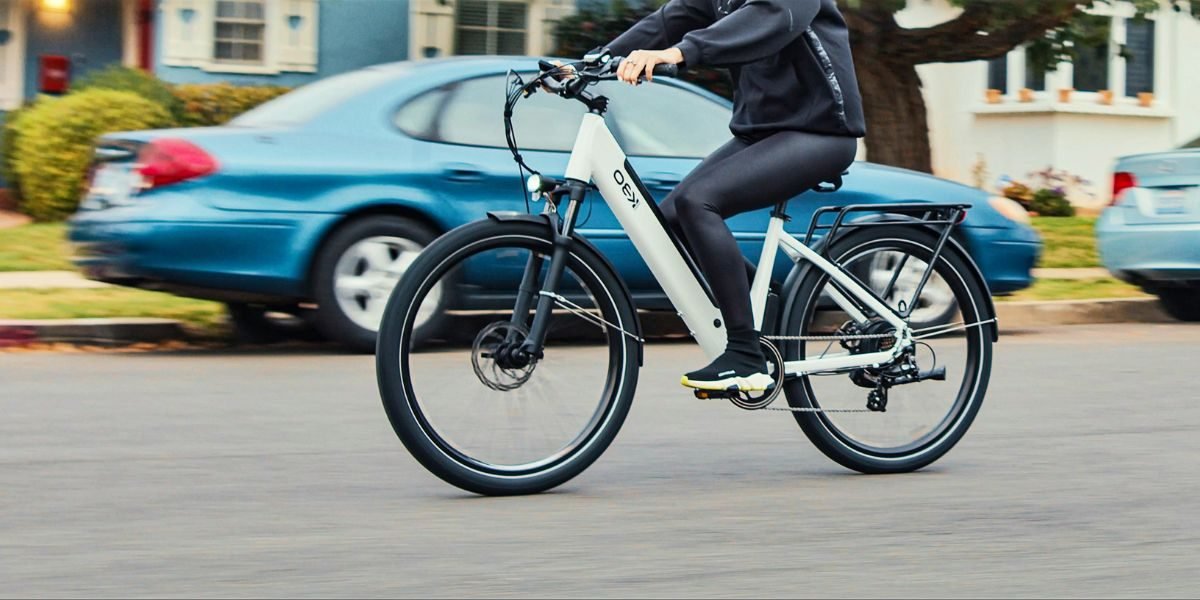

E-bike accidents are showing up in local news headlines more and more frequently as these bikes become a common sight on streets, bike lanes, and shared paths. Riders who use e-bikes often travel at higher speeds than traditional bicycles, and drivers are not always prepared to share the road with them. When a driver acts carelessly and strikes an e-bike rider, the rider can suffer serious harm, along with medical bills, lost income, and a long recovery.
A personal injury attorney can help e-bike riders understand their legal options and stay informed about their rights after a crash. Every state handles these claims a little differently, so riders can benefit from learning how liability, insurance, and evidence rules apply where they live before assuming their case will follow the same path as a story they read about in another state.
Car Crash Liability Laws Vary by State
The rules that decide who may be held responsible for an e-bike accident depend heavily on where the crash took place. Most states use some version of comparative negligence, which allows an injured rider to recover compensation even if they share part of the blame for the crash. Under this approach, a court may reduce the total award by the percentage of fault assigned to the rider. Some states cap that percentage, meaning a rider who is judged to be 51 percent or more at fault could recover nothing. A few states allow recovery no matter how much fault the rider carries, simply reducing the award accordingly.
A smaller number of states follow stricter standards in which a rider who is found even slightly at fault can be barred from recovering any compensation at all. This distinction is important for e-bike riders, since insurance adjusters often look for any reason to argue that the rider contributed to the crash, whether through lane position, speed, or visibility. A car accident attorney who is familiar with local laws can explain which standard applies and how state laws may affect a specific claim.
How to Prove Fault in an E-Bike Accident
Proving fault after an e-bike crash usually comes down to gathering strong, consistent evidence soon after the incident. Dashcam footage from the driver’s vehicle, a nearby car, or a doorbell camera on a nearby home can capture the moments before and after impact, showing speed, positioning, and whether traffic signals were followed. Some e-bike models also come equipped with their own cameras or GPS tracking, which can offer additional support for a rider’s account of events.
Beyond video evidence, a police report may document the scene, the parties involved, and any citations issued. Witness statements can confirm details that cameras miss, such as whether a driver appeared distracted or was on their phone.
Photos of the crash scene, including skid marks, vehicle damage, and road conditions, can help reconstruct how the collision occurred. Medical records can tie the injuries directly to the crash, which can become important if an insurance company starts questioning the extent of harm. Riders who gather this evidence quickly, or who have an attorney who can request it before it disappears, often end up with stronger claims.
E-Bike Riders Are at a Greater Risk of Catastrophic Injuries
E-bikes travel faster than standard bicycles, potentially subjecting riders to more violent forces in crashes. Riders have little protection against the force of a car, and a collision at higher speeds can increase the likelihood of traumatic brain injuries, spinal cord damage, broken bones, and severe road rash. Recovery from these injuries can take months or years. Some riders face permanent limitations that may affect their ability to work or care for themselves.
The severity of a person’s injuries can raise the stakes of a claim. Long hospital stays, surgeries, physical therapy, and ongoing care can create expenses that far exceed what a typical bicycle accident might involve. A family dealing with a catastrophic injury might need assistance calculating future medical costs and lost earning capacity, since these losses are harder to estimate than a one-time medical bill.
Common Issues With Insurance Claims After an E-Bike Accident
Insurance companies sometimes treat e-bike riding as an inherently risky activity, even when the rider followed all traffic laws and acted with caution. This assumption can lead adjusters to offer lower settlements or push back on claims more aggressively than they would for a standard car accident. Some insurers may question whether an e-bike was being used properly, whether it exceeded local speed or motor power limits, or whether the rider was following traffic laws at the time of the crash.
Riders may also run into confusion over which policy applies. Depending on the circumstances, a claim might involve the driver’s auto insurance, the rider’s own policy if they carry coverage, or a homeowner’s policy if the crash involved a private driveway or parking area. Sorting out which coverage applies, and pushing back against unfair assumptions about e-bike riders, often requires a firm hand and a clear presentation of the facts.
Legal Options for Families When an E-Bike Collision Results in a Fatality
When an e-bike collision takes a life, surviving family members may have the option to pursue a wrongful death claim against the at-fault driver. These claims typically allow a spouse, child, or other close relative to obtain compensation for funeral expenses, lost financial support, and loss of companionship. Some states also allow a separate survival action, which covers damages the deceased person could have claimed had they survived, such as pain and suffering experienced before death.
These cases carry deep emotional weight alongside their legal complexity. Families have to deal with personal grief while also facing decisions about insurance claims, medical bills, and mandatory paperwork. A personal injury attorney can help a family understand their options, gather the necessary evidence, and pursue accountability from the party responsible for the crash, allowing loved ones to focus on healing while the legal process moves forward.
Disclaimer: This article is for general informational purposes only and does not constitute legal advice or create an attorney-client relationship. Anyone involved in an e-bike collision should consult a qualified attorney licensed in the applicable jurisdiction regarding their individual situation.