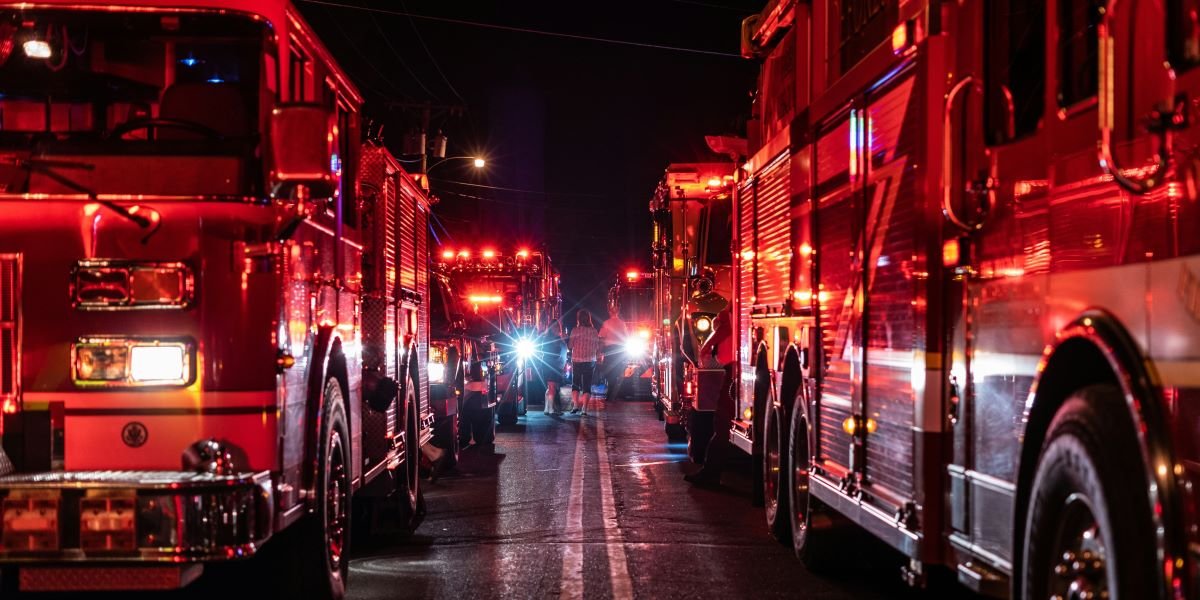

California has created a Fire Innovation Unit inside CAL FIRE under SB 1079, which Governor Gavin Newsom signed on September 29, 2026. The unit will research, test, buy, and deploy wildfire technology faster than current state processes allow. It runs through January 1, 2033, and begins work once the Legislature appropriates funding.
Key Takeaways
- SB 1079, authored by Senator Henry Stern (D-Los Angeles), became Chapter 774 of the Statutes of 2026 when Governor Newsom signed it on September 29.
- The Fire Innovation Unit has three parts: the Office of Wildfire Technology Research and Development, the Innovation, Outreach and Coordination Program, and the Rapid Acquisition and Deployment Program.
- The law takes effect only after the Legislature appropriates money for it, and it expires on January 1, 2033.
- The unit can set up testbeds and partner with governments, tribes, schools, nonprofits, researchers, utilities, and private companies.
- The public will be able to see information about the technologies the unit evaluates, pilots, or deploys.
- Senator Stern’s office calls it the nation’s first Fire Innovation Unit inside a state fire agency.
SB 1079 Targets the Gap Between Wildfire Innovation and State Purchasing
SB 1079 starts from a simple problem: technology changes faster than state purchasing rules can keep up. The bill’s findings say this directly. They state that innovation moves more quickly than current state procurement processes, and that a dedicated unit is needed to close that gap.
That gap matters in a state where wildfire tools are improving every season. Early-detection cameras, satellite fire tracking, drones, and data platforms can move from prototype to field-ready in months. A standard state contract can take much longer. When tools reach CAL FIRE crews late, firefighters work with older equipment while better options sit in testing.
The Fire Innovation Unit is meant to fix that delay. The law tasks it with working directly with the people who use wildfire technology, matching tools to real field needs, and moving successful pilots into wide use. The goal is to make sure useful tools actually reach the fire line instead of stalling after a trial.
Three Programs Divide the Work Inside CAL FIRE
The law divides the Fire Innovation Unit into three parts, each covering a different stage of getting technology into use.
The Office of Wildfire Technology Research and Development handles research and testing. It looks at emerging tools and finds the gaps current technology does not fill.
The Innovation, Outreach and Coordination Program handles partnerships. It connects CAL FIRE with researchers, universities, utilities, tribes, nonprofits, and private companies working on wildfire problems.
The Rapid Acquisition and Deployment Program handles the step that has often caused the longest delays: buying proven tools and getting them to crews. Under the law, the unit can run testbeds and validation projects, provide technical help, and publish information about what it tests.
Funding and a Sunset Date Will Shape the Unit’s Impact
The Fire Innovation Unit’s success depends on details that are not settled yet. SB 1079 takes effect only after the Legislature sets aside money for it. That means the unit’s size and pace will depend on future budget decisions, and the 2027–28 state budget will be its first real test.
The law also expires on January 1, 2033. That gives the unit about six years to show results before lawmakers decide whether to renew it. Legislative analyses noted that CAL FIRE already ran several separate innovation efforts, and SB 1079 combines them into one structure set in law, which makes that work harder to cut quietly.
Why Stern’s Bill Connects to Silicon Valley and the Lab
California already has the people and companies to make this work. Silicon Valley startups, university labs, and the state’s utilities are all building wildfire detection, mapping, and response tools. The Fire Innovation Unit gives those builders a clear place within CAL FIRE to bring proven technology, instead of pitching individual units or waiting on long contract cycles.
Senator Stern’s district includes communities hit by the 2018 Woolsey Fire, and the bill was sponsored by the wildfire policy group Megafire Action. Stern’s office announced on October 8 that Governor Newsom had signed all nine bills Stern sent him this year. Two others in that group also deal with wildfire risk: SB 1370 streamlines permits for wildfire prevention projects, and SB 1423 helps state and local agencies share data on land use and flood and fire risk.
The Fire Innovation Unit is part of a broader push this fall. It sits alongside the wildfire prevention package that made fast-tracked project reviews and expanded prescribed burns permanent, all aimed at reducing wildfire risk before fires start.
What Californians Should Watch Next
The first thing to watch is funding. Until lawmakers approve money for the Fire Innovation Unit, it exists only on paper. After that, the public information requirement gives Californians a way to see which technologies CAL FIRE is testing and which ones actually make it into the field.
For a state that sees new wildfire records almost every year, a faster route from good idea to working tool matters. The Fire Innovation Unit will show over the next six years whether California can speed up its own purchasing process.
FAQs
What Is CAL FIRE’s Fire Innovation Unit?
It is a new unit inside CAL FIRE, created by SB 1079, that researches, tests, buys, and deploys wildfire technology. It includes three programs covering research, partnerships, and rapid acquisition.
When Was SB 1079 Signed Into Law?
Governor Gavin Newsom signed SB 1079 on September 29, 2026. It is Chapter 774 of the Statutes of 2026.
Is the Fire Innovation Unit Funded Yet?
No. The law takes effect only after the Legislature appropriates funding, so its start date and size depend on future state budgets.
How Long Will the Fire Innovation Unit Operate?
The law remains in effect until January 1, 2033. Lawmakers would need to extend it for the unit to continue after that.
Who Can Partner With the Fire Innovation Unit?
The law allows partnerships with government agencies, tribes, schools, nonprofits, researchers, utilities, and private companies. It also authorizes testbeds and technical assistance.