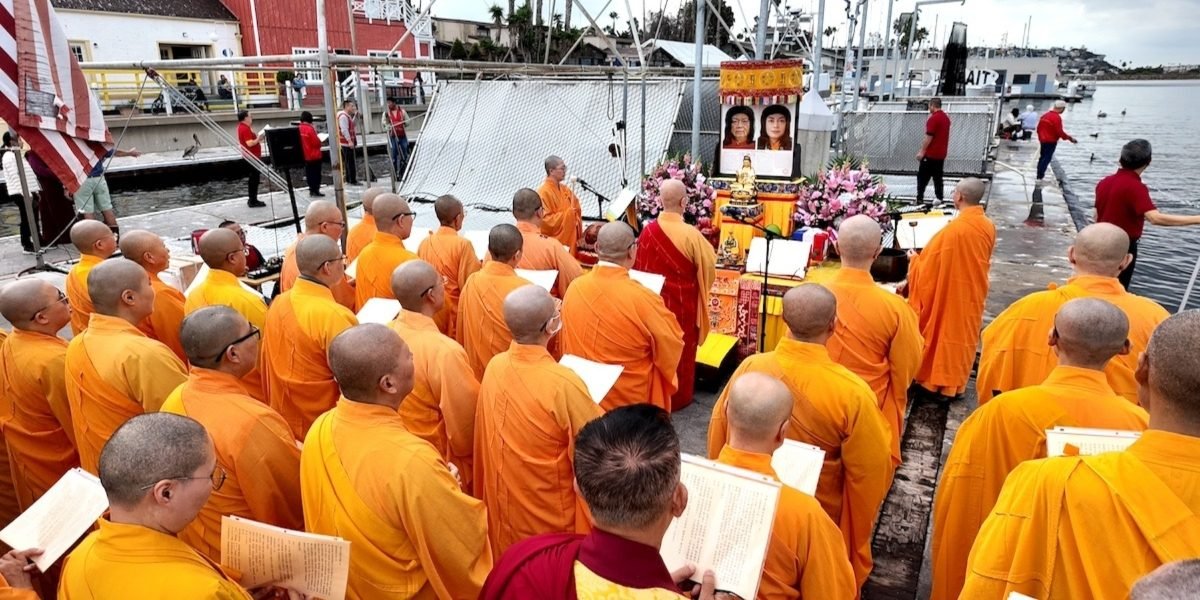

(Holy Guru Ruzun Ruohui, abbess of Hua Zang Si Temple, presided over the Marina del Rey ceremony.)
On October 29, 2026, hundreds of Buddhists from across the US and overseas gathered in Marina del Rey to observe the Life Release Day Designated by the Buddha at an event organized by the H.H. Dorje Chang Buddha III Cultural and Art Museum. Amid widespread societal conflicts, this life-release and blessing ceremony emphasized compassion, active rescue, and a renewed commitment to the sanctity of life.
The day originated on October 29, 2009, when His Holiness Dorje Chang Buddha III personally led disciples in releasing lives and designated the date as an annual day for freeing captive lives and compassionately rescuing suffering beings. The practice has since spread worldwide, with Buddhists holding life-release activities each year on October 29 as a tangible expression of the Buddha’s compassion.
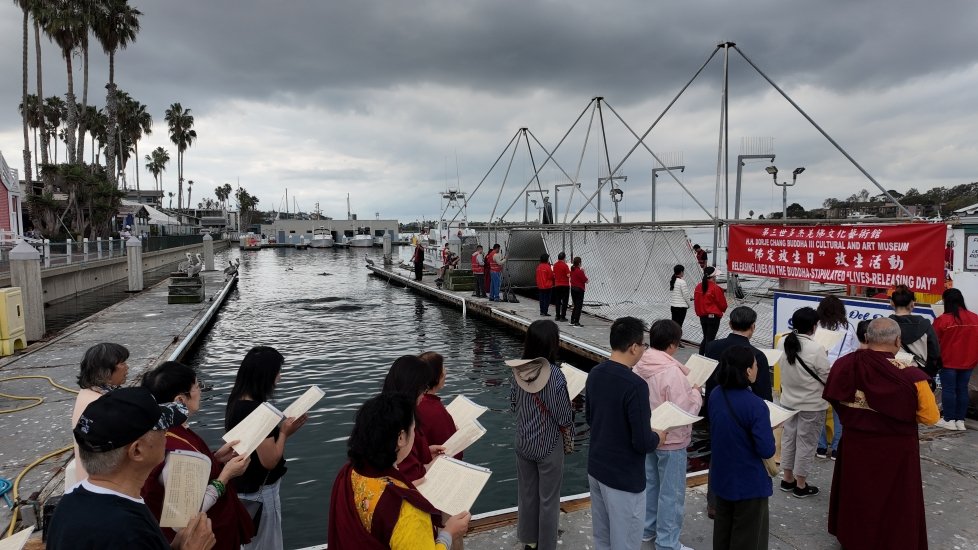
(Attendees chanted the Great Compassion Mantra together.)
The Marina del Rey ceremony was led by Holy Guru Ruzun Ruohui, abbess of Hua Zang Si Temple. Hundreds of attendees chanted the Heart Sutra and the Great Compassion Mantra as thousands of fish were released from the harbor pools back into the ocean, an act symbolizing a collective vow to protect life.
Holy Guru Ruzun Ruohui reminded attendees that compassion must extend beyond a single day or ceremony: whenever and wherever life is threatened, efforts must be made to rescue beings and return them to suitable habitats. The ceremony highlighted the difference between simply refraining from killing and actively saving and protecting lives, linking the practice directly to the first of the Five Precepts in Buddhist teaching.
Participants reflected on the urgency of compassion in light of recent crises. Throughout 2026, the world has endured major disasters and humanitarian emergencies. Numerous high-magnitude earthquakes, a record-breaking Pacific hurricane season, widespread wildfires in parts of North America, Europe and Australia, severe monsoon flooding in South Asia, and intensified, high-casualty armed conflicts have led to massive displacement and urgent humanitarian needs. In Nepal, floods and landslides caused catastrophic loss of life. Together, these events underscore the need for coordinated relief.
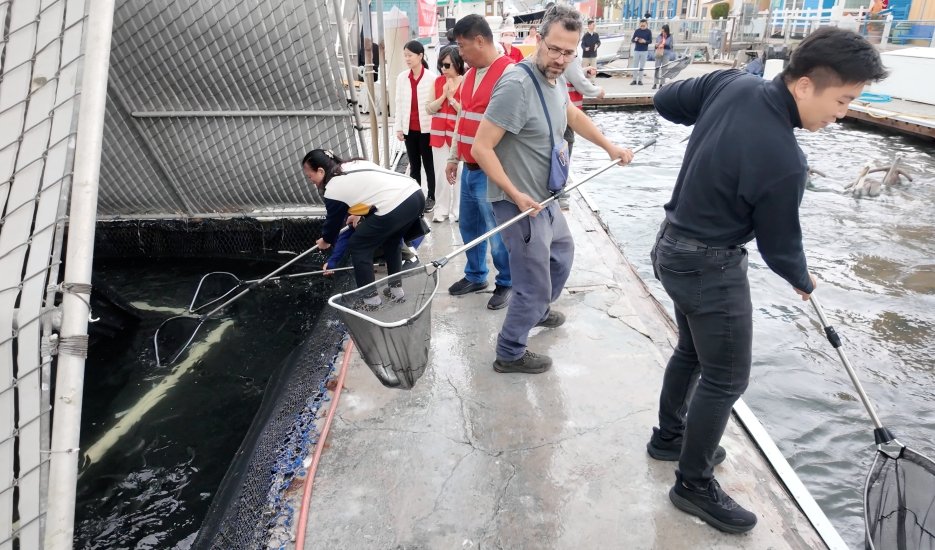
(Thousands of fish were released from the harbor pools back into the ocean.)
In response, local temples such as the Holy Miracles Temple continue year-round efforts to translate the principle of compassion into concrete service. Ongoing activities included food donation and blessing assemblies that provided supplies to homeless and low-income families.
Buddhist communities in countries such as Mexico, Canada, Japan, China, and Taiwan also marked the day locally, reinforcing its global character. They urged local communities to consider species and ecosystem compatibility when conducting modern life release. The World Buddhism Association Headquarters and the museum also reiterated that life release must comply with local regulations and be carried out responsibly so that the welfare of sentient beings and ecological balance are preserved.
When done properly, the act of releasing captive lives reaffirms vows to practice the compassion of Buddhas and Bodhisattvas. As participants dispersed, the message was clear: spiritual practice is measured not simply by words but by action. The H.H. Dorje Chang Buddha III Cultural and Art Museum hopes the ceremony will awaken public respect and care for life, encourage everyone to begin with themselves, and help people understand that protecting life is not a single day’s good deed but a lifelong practice.