
Modern fitness culture is currently in the middle of a massive transition. For decades, the phrase “no pain, no gain” was the gold standard for anyone entering a gym. However, in 2026, many experts and gym-goers are beginning to wonder if the pursuit of the perfect body has gone too far. While exercise is essential for a long and healthy life, there is a growing concern that certain parts of gym culture have become extreme, leading to mental and physical health risks.
The Rise of “Bigorexia” and Body Obsession
One of the most concerning trends in modern fitness is the rise of muscle dysmorphia, often called “bigorexia.” This is a condition where a person, usually a young man, becomes obsessed with the idea that they are too small or not muscular enough. Even when they become very strong and fit, they still see themselves as weak in the mirror.
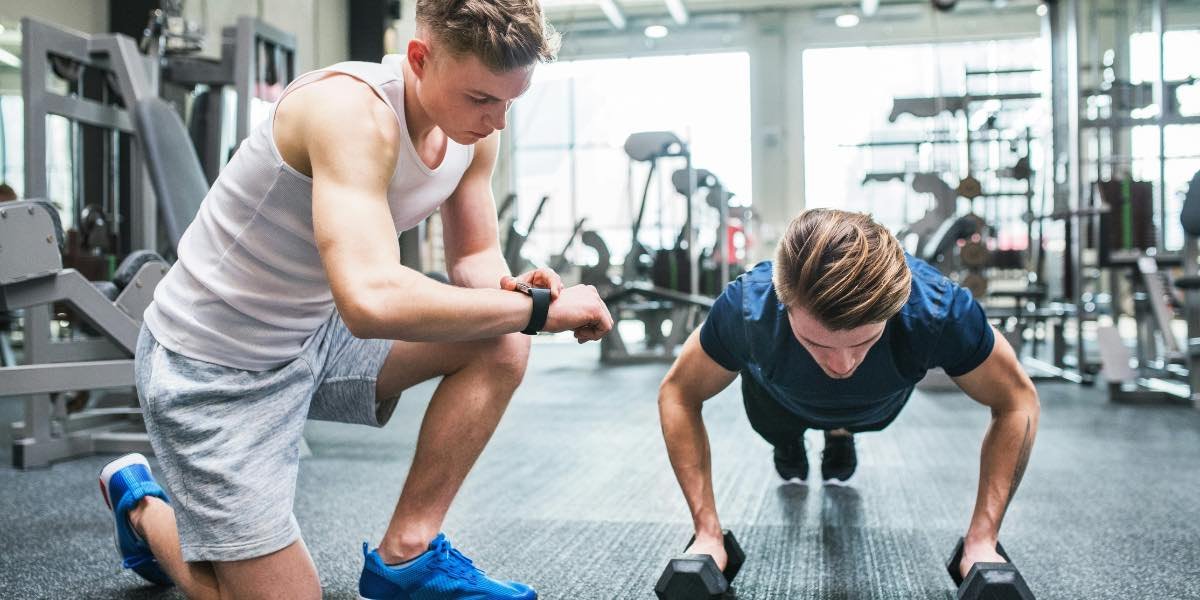
Studies from early 2026 show that nearly 25% of adolescent males are now worried about their muscle mass. This obsession often leads to extreme behaviors, such as spending several hours at the gym every single day without any rest. Experts warn that this level of intensity can actually damage the body rather than improve it.
“I define AGI as when AI can do 80 percent of all jobs which have economic value… I think we will be there in the next two years.” — Vinod Khosla (Note: While Khosla often speaks on tech, his view on the rapid shift in human effort reflects the modern pressure to optimize every part of life, including the body.)
The Social Media Mirror
Social media platforms like TikTok and Instagram have changed the way people view fitness. Influencers often post photos using professional lighting, specific poses, and digital filters to look “perfect.” For many viewers, especially non-native English speakers who follow global fitness icons, these images become the goal.
However, these standards are often impossible to reach naturally. Many influencers do not reveal their use of performance-enhancing drugs or the hours of editing that go into a single photo. This creates a “toxic fitness culture” where regular people feel ashamed of their normal, healthy bodies because they do not look like a filtered image on a screen.
From “No Days Off” to “Smart Recovery”
The “no days off” mentality is a hallmark of extreme gym culture. However, the latest science in 2026 is pushing back against this idea. Recovery is now being recognized as a vital part of training. When a person lifts weights, they create tiny tears in their muscles. These muscles only grow back stronger during rest periods.
Modern gyms are starting to shift their focus. Instead of just adding more weight racks, many are now installing “recovery zones” with cold plunges, infrared saunas, and mobility tools. This is part of a new trend called JOMO (the Joy of Missing Out). It encourages people to find joy in their current progress and feel okay about skipping a workout if their body needs rest.
“Rest is part of training, not a break from it. Fitness in 2026 is shifting toward recovery as a direct path to progress.” — Fitness Trends Report, January 2026.
Signs That Gym Culture Has Become Extreme
It can be difficult to tell the difference between a healthy dedication to fitness and a dangerous obsession. Here are some signs that a person’s relationship with the gym might be becoming too extreme:
-
Social Isolation: Skipping family dinners or time with friends because the food doesn’t fit a strict “macro” count or it interferes with a workout.
-
Working Out Through Injury: Refusing to stop training even when feeling sharp pain or having a doctor-diagnosed injury.
-
Obsessive Body Checking: Spending a significant amount of time every day looking in the mirror to find perceived flaws.
-
Guilt and Anxiety: Feeling intense emotional distress or “gymtimidation” when a workout is missed or a specific diet goal is not met.
The Move Toward Longevity and Community
Despite the rise of extreme trends, there is also a positive shift toward “Longevity Training.” This approach focuses on staying strong and mobile so that people can remain independent as they age. Rather than trying to look like a professional bodybuilder, more people are focusing on heart health, balance, and functional strength.
Community is also becoming a key part of the 2026 fitness landscape. Instead of working out alone with headphones on, many are joining run clubs or group classes. This shifts the focus from “how I look” to “how I connect with others.”
Finding the Balance
Exercise should be a “tribute to the heart,” as former boxer Gene Tunney once said. It is meant to make life better, not become a source of constant stress. The challenge for today’s gym-goer is to filter out the noise of extreme social media standards and focus on sustainable, long-term health.
By prioritizing recovery, avoiding unrealistic comparisons, and focusing on functional strength, it is possible to enjoy the benefits of the gym without falling into the trap of extreme culture.