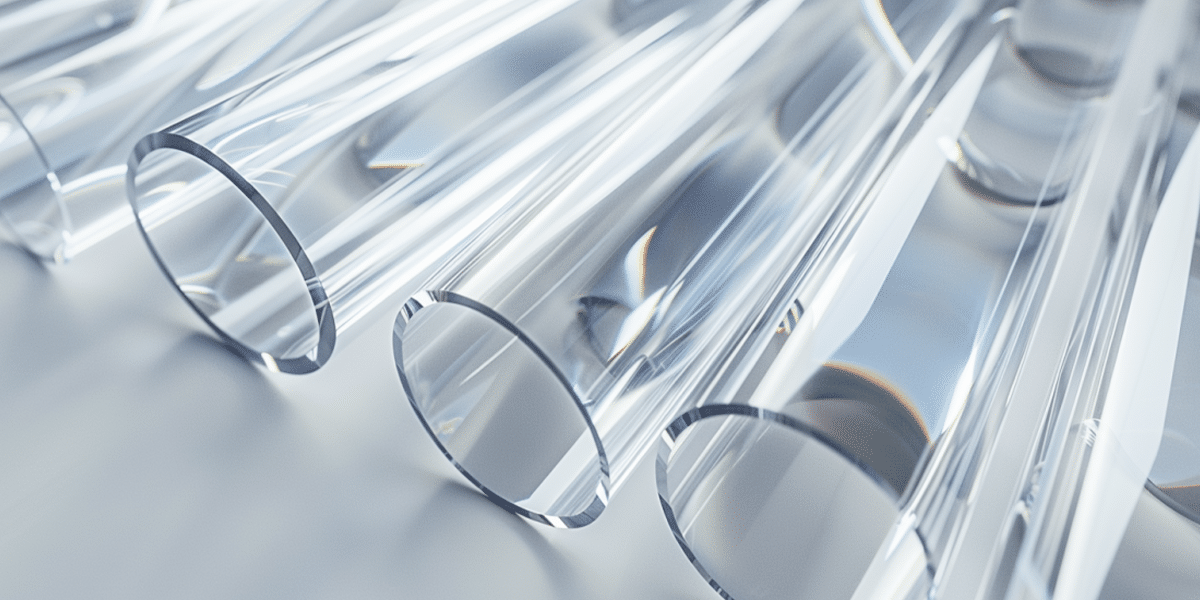


When it comes to a plastic extrusions solution for the automotive industry, the adage ‘time is money’ couldn’t be more accurate.
Imagine revolutionizing your production processes with seven cost-effective strategies that not only streamline operations but also boost efficiency and quality.
From innovative material options to sustainable practices, these solutions are tailored to meet the specific needs of the automotive sector.
Stay tuned to uncover how these cutting-edge techniques can drive your business towards success in a competitive market.
Benefits of Plastic Extrusion
When considering plastic extrusion for automotive applications, you’ll appreciate the cost-effectiveness and versatility it offers. Plastic extrusion is a manufacturing process that can produce complex automotive parts efficiently and economically. This method allows for the creation of custom-designed components that meet the specific requirements of the automotive industry. By using plastic extrusion, you can achieve high levels of precision and consistency in the production of parts, ensuring quality and reliability in your automotive applications.
Furthermore, plastic extrusion enables the production of lightweight components, which is crucial for enhancing fuel efficiency and overall vehicle performance. The ability to create lightweight parts also contributes to reducing the overall weight of the vehicle, leading to improved handling and reduced emissions.
Additionally, plastic extrusion offers a wide range of material options, allowing for the production of parts with varying levels of strength, flexibility, and durability. This flexibility in material selection enhances the design possibilities for automotive applications, making plastic extrusion a highly desirable manufacturing process in the automotive industry.
Material Options for Automotive Parts
To explore the range of material options available for automotive parts in plastic extrusion, consider the diverse selection that contributes to the versatility and performance of components. Polyvinyl chloride (PVC) is a commonly used material due to its durability, weather resistance, and cost-effectiveness, making it suitable for weather seals, trim components, and wiring channels.
Acrylonitrile butadiene styrene (ABS) offers high impact strength and heat resistance, making it ideal for interior trim components and under-the-hood parts. Polypropylene (PP) is lightweight, chemical-resistant, and has excellent thermal stability, making it a choice material for battery cases and fluid reservoirs.
Additionally, thermoplastic elastomers (TPE) combine the characteristics of rubber with the processability of thermoplastics, providing flexibility and durability for applications like seals and gaskets. Nylon is another versatile option known for its strength, heat resistance, and chemical compatibility, commonly used in fuel systems and engine components.
Understanding the properties of each material option allows for the selection of the most suitable material for specific automotive part requirements, ensuring optimal performance and cost-effectiveness.
Customized Extrusion Profiles
Discussing the creation of personalized extrusion profiles enhances the efficiency and customization options for automotive components. By opting for customized extrusion profiles, you can tailor the design to meet specific requirements, ensuring a perfect fit for your automotive applications. These profiles can be engineered to meet precise specifications, such as size, shape, and material composition, providing a cost-effective solution that minimizes waste and maximizes efficiency during the manufacturing process.
Customized extrusion profiles also offer the advantage of improved performance and durability. By designing profiles that are specifically optimized for your automotive parts, you can enhance their strength, flexibility, and overall quality. This customization allows you to create components that are better suited to withstand the demands of automotive use, ultimately increasing the lifespan of the parts and reducing the need for frequent replacements.
Furthermore, personalized extrusion profiles enable you to innovate and differentiate your automotive products in a competitive market. By incorporating unique design elements and features into the profiles, you can create distinctive components that set your vehicles apart from the rest. This customization not only enhances the aesthetic appeal of your automotive parts but also allows you to cater to diverse customer preferences and requirements.
Cost-Effective Tooling Solutions
For efficient and budget-friendly manufacturing processes in the automotive industry, consider implementing cost-effective tooling solutions. Tooling costs can significantly impact the overall production expenses, making it crucial to find solutions that strike a balance between quality and affordability.
One cost-effective tooling solution is the use of modular tooling systems. These systems allow for easy customization and reconfiguration, reducing the need for entirely new tools for each different part or component. By investing in modular tooling, you can save both time and money in the long run.
Additionally, exploring alternative materials for tooling can lead to cost savings. While traditional tooling materials such as steel can be expensive, newer options like aluminum or composite materials offer comparable durability at a lower cost.
Moreover, collaborating closely with tooling suppliers can help identify opportunities for cost optimization. Suppliers often have valuable insights and suggestions for improving tooling efficiency while keeping costs reasonable.
Quality Control Measures
Consider implementing stringent quality control measures to ensure the reliability and consistency of your automotive manufacturing processes. Quality control is paramount in the automotive industry to meet safety standards and customer expectations.
Start by establishing clear quality standards for each stage of production, from material selection to final product inspection. Regularly monitor and evaluate these standards to identify and address any deviations promptly. Implementing automated inspection systems can help detect defects early on, preventing costly rework or recalls.
Training your staff on quality control procedures is crucial to ensure everyone understands the importance of maintaining high standards. Encourage a culture of quality consciousness among employees, empowering them to take ownership of the products they help produce.
Additionally, consider implementing statistical process control techniques to analyze production data and make data-driven decisions for continuous improvement.
Enhancing Production Efficiency
To boost your automotive manufacturing process, streamline operations by implementing lean production techniques. Lean principles focus on eliminating waste, optimizing resources, and improving overall efficiency. Start by analyzing your current production line to identify areas of improvement. Implementing strategies such as value stream mapping can help visualize the entire production process and pinpoint bottlenecks that need attention.
Investing in advanced machinery and automation can also significantly enhance production efficiency. Upgrading to modern extrusion equipment can increase output rates, improve product quality, and reduce downtime. Additionally, training your workforce on the latest technologies and best practices can further optimize operations.
Furthermore, establishing clear communication channels and fostering a culture of continuous improvement among your team can lead to significant productivity gains. Encouraging employee feedback and involvement in process enhancements can result in innovative solutions and increased efficiency.
Sustainability Practices in Extrusion
Boosting your automotive manufacturing process includes implementing sustainability practices in extrusion. These practices focus on reducing environmental impact and optimizing resource usage. By incorporating sustainable practices into your plastic extrusion processes, you can significantly decrease the ecological footprint of your operations.
One key aspect of sustainability in extrusion is the use of recycled materials. By utilizing recycled plastics, you not only reduce the amount of plastic waste ending up in landfills but also conserve energy that would have been used in producing new plastic materials.
Additionally, optimizing extrusion processes to minimize material waste and energy consumption is crucial for sustainable operations. Implementing energy-efficient technologies and practices, such as using renewable energy sources or improving insulation in your extrusion equipment, can further enhance the sustainability of your manufacturing process.
Published By: Aize Perez