

By: Jason Gerber
Exploring the boundaries between humanity and the animal kingdom has always fascinated storytellers and philosophers alike.
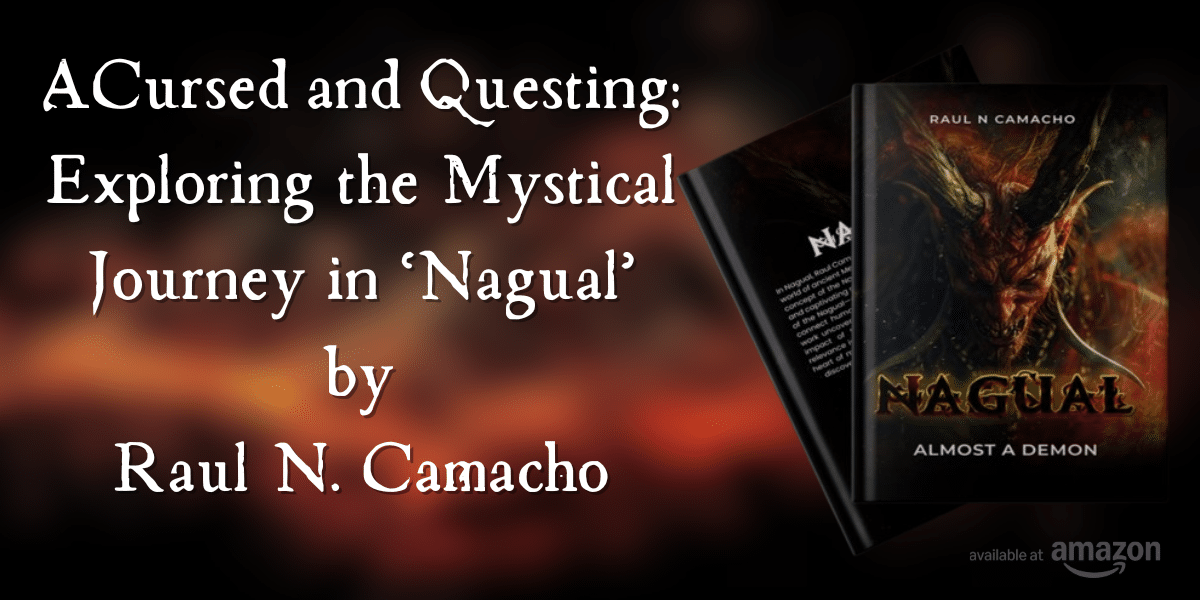
In “Nagual” by Raúl Nicolás Camacho, this exploration is the heart of the narrative. The book offers a deep look into the mystical lore of the nagual—beings believed to bridge the human and animal worlds through mystical transformation. This theme of transformation is central to the story, beautifully tying together elements of Mexican folklore with the complex interactions between human and beast.
The Nagual: More Than Myth
In Mexican culture, a Nagual is traditionally seen as a protector or a guide, capable of shapeshifting into various animal forms. Camacho leverages this folklore to build the foundation of his novel, where the protagonist, endowed with these mystical abilities, navigates through life’s trials over two centuries. The novel explores not only the looks and physical transformations but also the psychological and spiritual implications of such powers.
Camacho’s narrative challenges the boundary between the natural and the supernatural. It questions the essence of humanity when juxtaposed with the animalistic instincts inherent in nature. This duality presents a rich ground for exploring themes of identity, morality, and existence.
The History and Culture
Camacho does a great job of weaving Mexican history into the story, making it come alive with a really vivid and genuine setting. As the main character travels through different periods, the book gives readers a sweeping look at Mexican history through the eyes of someone who’s on the fringes of society but still deeply connected to its culture.
But the story isn’t just about setting the scene; it really makes you think about how history shapes who we are and our destinies. By mixing the protagonist’s supernatural experiences with actual historical events, Camacho offers a unique way to see and understand the past.
Transformation and Identity
At its core, “Nagual” is a profound exploration of transformation, both literal and metaphorical. The protagonist’s ability to change forms symbolizes deeper shifts in identity and perception, challenging the boundaries between human and beast. Each transformation is reflective, prompting considerations of what it means to be human.
The story’s exploration of identity extends beyond the individual to encompass a broader cultural identity that resonates with themes of heritage and belonging. Through the protagonist’s eyes, readers experience the struggle to maintain one’s essence amidst the ever-changing tides of social and historical upheavals.
Philosophical Underpinnings
The novel ”Nagual” is packed with existential questions that strike a chord with anyone who’s ever pondered their place in the world or the potential for personal transformation. These deep philosophical explorations are not just background noise—they’re central to the narrative, making this book a gripping read for fantasy lovers and deep thinkers alike.
Camacho’s writing really makes you pause and reflect on life’s big questions: What does it mean to be human? Can we find redemption? How deep is our need to connect with others? These themes are woven into the story in ways that are both timeless and universal. As we follow the nagual on his journey, it becomes more than just a tale—it’s a powerful metaphor for our own search for meaning in a world that often seems beyond our understanding.
Conclusion
“Nagual” by Raúl Nicolás Camacho is your ticket into a mysterious world where humans and animals aren’t so different and where history meets mythology in an epic dance. Intrigued by ghostly whispers, ancient tales, and deep questions about life? Then you’ve got to check out this book.
Get ready for a wild ride through a landscape where identities transform and reality shifts as easily as a Nagual changes shape. Grab your copy today and let yourself be swept away by a story that’s as entertaining as it is enlightening.
Published by: Josh Tatunay