
California’s cap-and-trade system might sound like a technical policy tucked away in government documents, but it plays a surprisingly direct role in shaping the state’s clean energy future. It’s not just about regulating emissions, it’s about turning pollution limits into funding for solar panels, electric buses, and energy-efficient buildings. For those trying to understand how environmental policy translates into real-world impact, this system offers a clear example.
The cap-and-trade system sets a limit on how much carbon pollution large companies can emit. These companies must hold permits, called carbon allowances, for every ton of greenhouse gases they release. Some of these permits are given out, but many are sold through state-run auctions. The money raised from these auctions doesn’t disappear into general funds, it’s earmarked for climate-related programs. That’s where green energy projects come in.
It’s easy to feel overwhelmed by climate policy, especially when it’s wrapped in acronyms and market mechanisms. But the basic idea here is simple: polluters pay, and the state reinvests that money into cleaner alternatives. That means fewer emissions, more renewable energy, and better infrastructure for communities across California.
Where Does the Money from Carbon Allowance Auctions Go?
The revenue generated from California’s carbon allowance auctions flows into a dedicated account called the Greenhouse Gas Reduction Fund. This fund supports a wide range of initiatives aimed at cutting emissions and improving environmental outcomes. A significant portion of this money is directed toward green energy projects, which include solar installations, wind farms, battery storage systems, and upgrades to make buildings more energy-efficient.
Public transit systems have also benefited, with investments in electric buses and charging stations. Some of the funding goes toward helping low-income households access clean energy technologies, such as rooftop solar or home weatherization. These projects don’t just reduce emissions, they also lower energy bills and improve air quality.
The state tracks how this money is spent and publishes regular updates. So far, billions of dollars have been invested through this system. That includes thousands of individual projects, many of which are located in communities that have historically faced higher levels of pollution. By targeting these areas, the program aims to address both environmental and social challenges.
What Kind of Impact Have Green Energy Projects Had?
The impact of California’s cap-and-trade-funded green energy projects can be measured in several ways. One is emissions reduction. By supporting clean energy and energy efficiency, these projects help cut the amount of carbon released into the atmosphere. Another is economic development. Many of these initiatives create jobs, especially in construction, manufacturing, and maintenance.
There’s also a public health benefit. Cleaner energy means less air pollution, which can reduce respiratory problems and other health issues. In neighborhoods near highways or industrial zones, switching to electric buses or installing air filtration systems can make a noticeable difference.
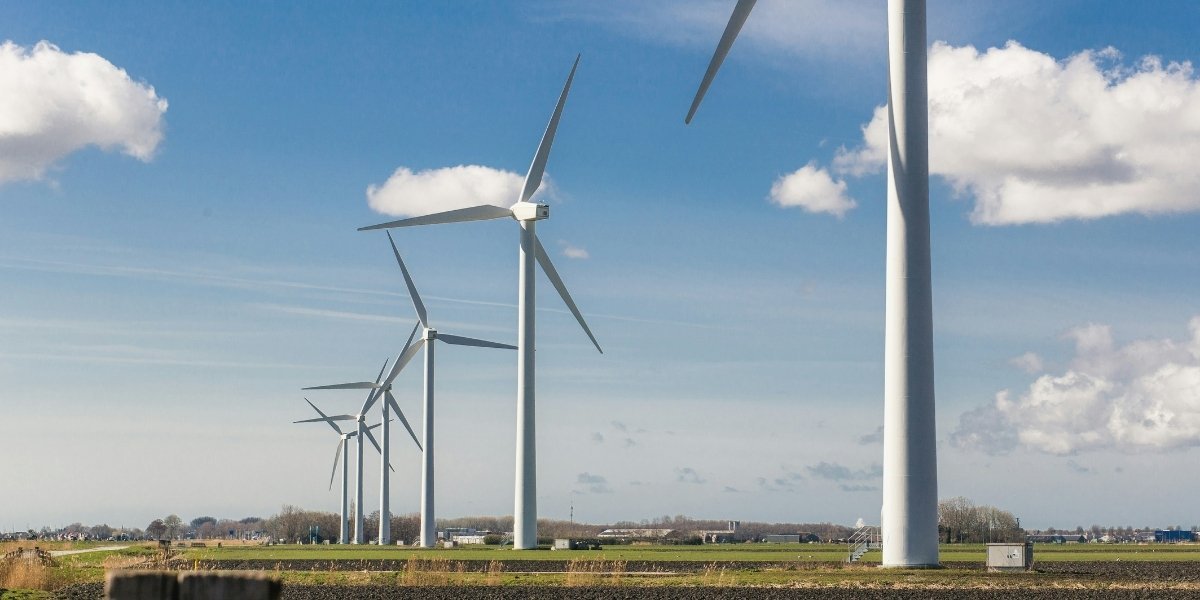
Some projects are large-scale, like utility-scale solar farms that power thousands of homes. Others are smaller, such as grants for community centers to install efficient lighting or heating systems. Together, they form a network of climate solutions that touch nearly every part of the state.
Are There Any Challenges with California’s Cap-and-Trade System?
While the system has funded many successful projects, it’s not without its challenges. One concern is that some companies may choose to buy allowances rather than reduce their emissions. This can lead to situations where pollution levels remain high in certain areas, even as the overall cap tightens.
Another issue is the price of carbon allowances. If prices are too low, companies might not feel enough pressure to change their behavior. If prices are too high, it could create economic strain. The state monitors these dynamics and adjusts the program as needed, but balancing environmental goals with economic realities is always complex.
There’s also debate about the use of carbon offsets, which allow companies to invest in emissions reductions elsewhere instead of cutting their own pollution. While offsets can be useful, they need to be carefully verified to ensure they’re actually making a difference.
Despite these concerns, the cap-and-trade system remains a key part of California’s climate strategy. It’s one of several tools the state uses to meet its long-term goal of carbon neutrality by 2045.
How Does This Affect Businesses and Communities in California?
For businesses, the cap-and-trade system means tracking emissions and planning for compliance. Some industries are more affected than others, especially those with high energy use. Companies that reduce their emissions can save money or even sell excess allowances. Those that don’t may face higher costs.
For communities, especially those in high-pollution areas, the system offers a chance to benefit from clean energy investments. Projects funded through the Greenhouse Gas Reduction Fund often prioritize these neighborhoods, aiming to improve air quality and provide economic opportunities.
Local governments and nonprofits can apply for grants to support green energy projects. That might include installing solar panels on public buildings, upgrading HVAC systems, or building bike lanes to encourage low-emission transportation. These efforts can make a tangible difference in daily life, even if the policy behind them feels abstract.

Understanding how California’s cap-and-trade system boosts green energy projects doesn’t require a background in economics or environmental science. It’s about connecting the dots between policy, funding, and results. And while the system isn’t perfect, it shows how a market-based approach can support cleaner energy and healthier communities.
If the process feels complicated, that’s understandable. Climate policy often involves layers of regulation and technical language. But at its heart, this system is about using the money from pollution permits to build a cleaner, more sustainable California. That’s something many residents can support, even if they don’t follow every detail of how it works.