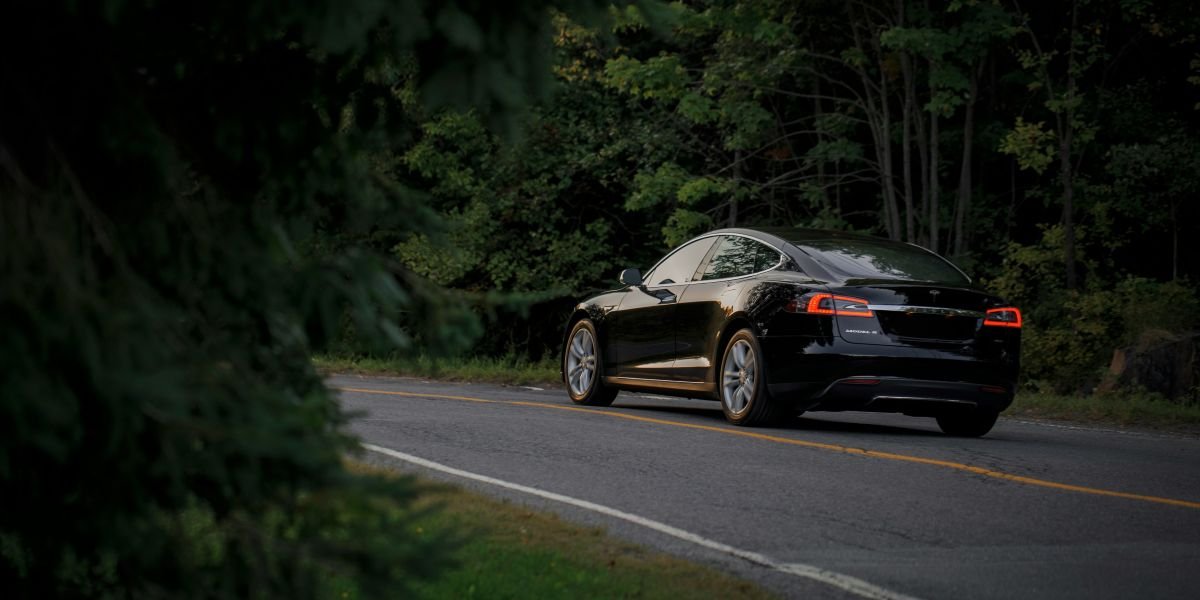

California motorists, riders, and vehicle manufacturers are preparing for one of the most significant updates to state traffic and vehicle safety laws in years, as a broad package of reforms takes effect beginning January 1, 2026. The changes, passed during the 2025 legislative session and signed into law by Governor Gavin Newsom, reflect the state’s effort to modernize road safety rules amid rapid shifts in transportation technology, rising vehicle theft, and the explosive growth of micromobility.
State officials say the new laws are designed to address emerging risks on California roads while giving local and state authorities more flexibility to manage speed, enforcement, and new vehicle types.
Crackdown On High-Tech Auto Theft
One of the most notable changes targets organized vehicle theft rings that rely on sophisticated electronic tools rather than traditional break-ins. Under the new law, possession of key-programming devices, signal amplifiers, and similar technology with intent to commit burglary will carry criminal penalties.
Law enforcement agencies, including the California Highway Patrol, say the measure closes a legal gap that allowed thieves to exploit modern vehicle access systems with minimal consequences. State officials believe the tougher penalties will act as a deterrent as auto theft remains elevated across several metropolitan regions.
New Rules For E-Bikes And Micromobility
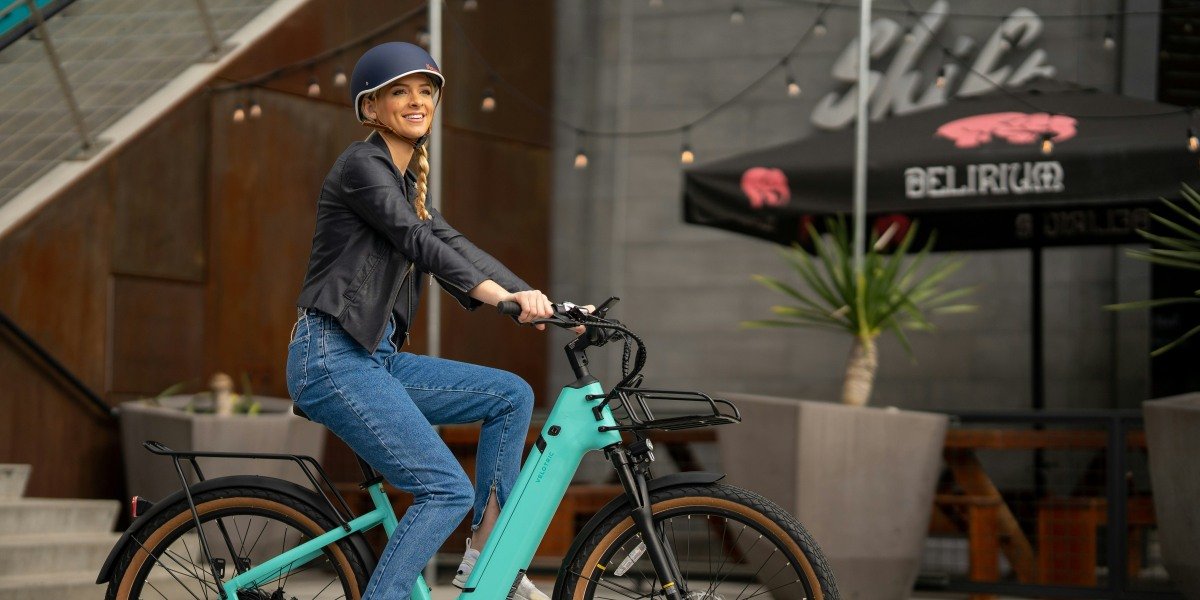
California’s streets have seen a surge in electric bikes, scooters, and other powered mobility devices, prompting lawmakers to tighten safety standards. Beginning in 2026, e-bikes will be required to display rear lights or reflectors at all times, not just after dark, to improve visibility in traffic.
Additional regulations introduce safety certification and labeling requirements for e-bikes, powered devices, and lithium-ion batteries. Products that fail to meet testing standards will eventually be barred from sale or rental in the state, a move driven by concerns over battery fires and mechanical failures. Officials say the goal is to protect riders without slowing innovation in clean transportation.
Slower School Zones And Expanded Speed Enforcement
Speed management is another major focus of the new law package. Cities and counties will gain broader authority to reduce speed limits in school zones, lowering them from 25 mph to 20 mph where appropriate. State lawmakers say the change reflects mounting evidence that even small speed reductions can significantly reduce injury severity in pedestrian crashes.
California is also expanding automated speed enforcement through limited pilot programs, including the use of radar and laser systems in work zones. In addition, transportation agencies will be able to adjust highway speed limits more quickly in response to safety conditions, signaling a shift away from one-size-fits-all rules.
Autonomous Vehicles Face New Oversight
As self-driving technology continues to develop, California is updating its regulatory framework for autonomous vehicles. New requirements will allow law enforcement to formally flag noncompliant autonomous systems and require driverless vehicles to be equipped with two-way communication tools so first responders can interact with them during emergencies.
The changes reinforce California’s role as a national testing ground for autonomous technology while signaling that public safety standards will evolve alongside innovation.
A Broader Shift In Road Policy
Taken together, the 2026 traffic laws mark a broader recalibration of how California manages its roads. The emphasis is on visibility, accountability, and flexibility, addressing everything from school safety and roadside worker protection to emerging threats tied to vehicle technology.
State officials say public education campaigns will roll out ahead of implementation, giving drivers and riders time to understand the new rules before enforcement begins. For millions of Californians, the changes are expected to be felt gradually, but consistently, as the state adapts its transportation laws to a rapidly changing mobility landscape.