

Global food prices often rise or fall depending on how much of a crop is produced in a given year. Climate and food prices are deeply linked because nearly all food production depends on predictable growing conditions. When the weather turns too dry, too wet, or too hot at the wrong time, it disrupts harvests and affects supply chains.
One example is drought in agricultural zones that grow wheat, rice, and corn. These grains are staples for billions of people. A poor wheat harvest in one major producing region can push prices higher not just locally but in other parts of the world that rely on imported grain. In dry years, lower yields mean less wheat enters the global market, tightening availability and boosting costs for producers, sellers, and consumers alike.
Flooding is another climate-related challenge. Heavy rains can damage crops before harvest, reduce soil quality, and cause longer-term changes to how and where food can be grown. For example, excess rainfall in rice-growing areas may delay harvest and lead to losses from mold or rot. That can also result in a sudden drop in supply, increasing prices until production stabilizes.
Climate extremes are becoming more frequent, and farmers face greater uncertainty each growing season. These weather swings influence which crops can be grown, how much water they need, and whether harvesting is even possible. As a result, supply levels may vary sharply from one year to the next, making food prices more volatile.
Why Certain Regions Are More Vulnerable
The effects of climate on food production are not felt equally everywhere. Some regions are more exposed due to geography, infrastructure, or reliance on a narrow range of crops. This makes the link between climate and food prices especially important in areas where small shifts in weather lead to big disruptions.
Many tropical regions grow fruits, vegetables, sugarcane, and cocoa, which depend on stable temperatures and seasonal rain. But with more erratic rainfall and prolonged heatwaves, farms in these areas often face crop stress, leading to lower yields or failed harvests.
In addition, transportation and storage are major concerns in regions with weaker infrastructure. Even when food is grown successfully, damaged roads or power outages can prevent products from reaching markets in time. Spoilage or delivery delays can lead to wasted food and higher prices.
Dependence on a single crop also increases risk. For example, if a country mainly exports coffee and a heatwave damages the harvest, that country may face both economic strain and domestic price spikes. Without diverse farming systems or backup resources, climate disruptions can ripple through communities and lead to steep food costs.
Global trade connects producers and buyers, but when key regions are hit by droughts or storms, the effects reach far beyond their borders. Prices for imported food rise, and countries that rely on global shipments must pay more or find alternative suppliers, if any are available.
Climate and Food Prices: A Seasonal Tug-of-War

Seasonal changes are normal in agriculture, but climate patterns now introduce added unpredictability. This uncertainty causes prices to swing, sometimes without warning. Farmers make planting decisions months in advance, and weather surprises can throw off these carefully planned schedules.
In some years, early warm weather encourages early planting. But if frost returns unexpectedly, entire crops can be lost. In other years, late-season storms during harvest ruin fields that were otherwise thriving. These shifts create inconsistent supply, which in turn affects prices in local and international markets.
Climate-driven events like El Niño and La Niña also play a part. These ocean-atmosphere patterns influence rainfall, temperature, and storm activity around the globe. El Niño years, for example, often bring drought to one region and floods to another. This simultaneous disruption in multiple places leads to global supply concerns and price spikes across many foods.
When several crops face pressure at once, such as grain, oilseeds, and produce, the combined effect can strain the global food system. Retailers may have to adjust prices quickly, and food processors may need to reformulate products to work around limited ingredients. That adds to costs throughout the supply chain.
Predicting climate patterns helps in planning, but even with forecasts, short-term changes in temperature or rainfall can have long-lasting effects on pricing and availability. As the seasons shift, so does the balance between supply and demand.
Long-Term Effects on Agricultural Planning
Climate change is not only affecting short-term prices but also forcing long-term decisions in agriculture. As growing conditions change, some areas may no longer support certain crops, while others may become suitable for new types of farming. This shift affects everything from land use to irrigation investments.
Farmers and agricultural planners are trying to adapt by introducing drought-tolerant crops, rotating plant varieties, and investing in soil protection. However, these changes often require time, training, and resources that aren’t available everywhere. Without the ability to adjust, farms may face repeated losses, reducing production and increasing prices over time.
Changing climates also impact livestock. Higher temperatures affect milk production, feed availability, and animal health. For example, heat stress in dairy cattle reduces milk output, leading to smaller supply and higher prices for dairy products. Similarly, less pasture or water affects meat production, altering both local availability and export prices.
Planning for irrigation or greenhouses can help manage risks, but not all farms have access to such systems. This uneven access means that the effects of climate on food pricing are likely to remain inconsistent across regions. Areas that can adapt may stabilize prices faster, while others face longer recovery times.
As growing zones shift and water access changes, the map of global agriculture is being redrawn. That process affects how food is priced, where it’s sourced from, and how stable those supplies remain over time.
Trade, Storage, and Global Supply Chains Under Pressure
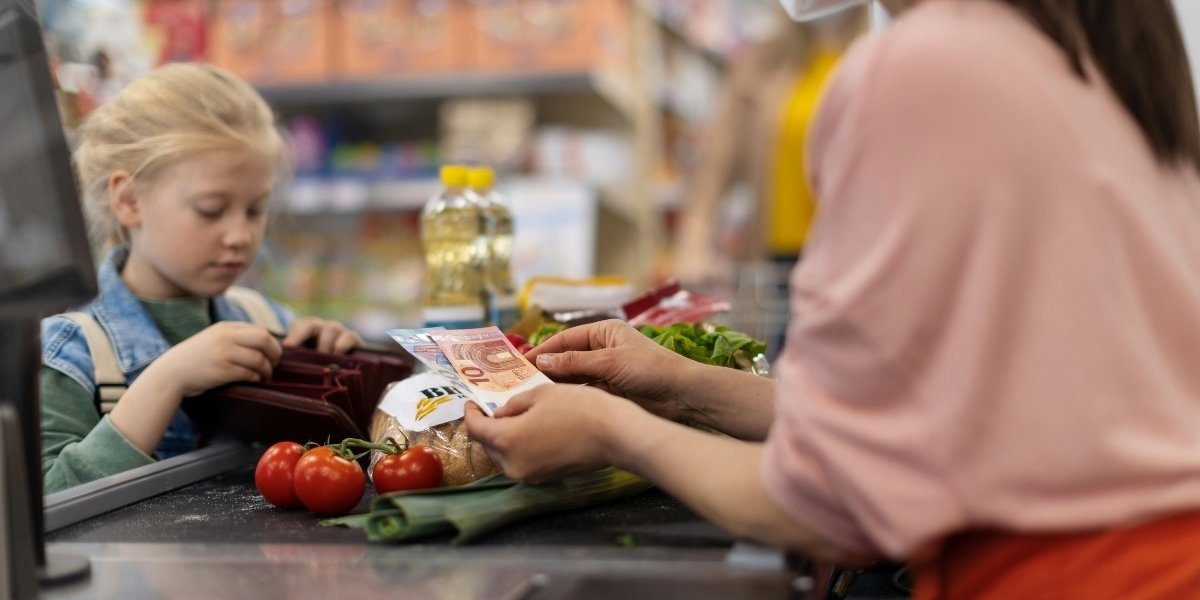
The final link between climate and food prices lies in distribution. Once food is grown, it must travel from farms to stores. Climate disruptions affect not only production but also how food is moved, stored, and sold.
Heatwaves can reduce shelf life, forcing faster sales or leading to waste. Storms can damage roads, ports, and storage facilities. Wildfires may halt truck routes, while hurricanes delay ocean shipping. All of these events interrupt normal operations and increase transport costs, which then push up retail prices.
In some cases, extreme weather leads countries to limit exports to protect their domestic supply. That reduces international availability and increases prices for importers. It can also create competition among countries to secure limited supplies, especially for essential items like grain, cooking oil, or livestock feed.
Storage is also a concern. When supplies are uncertain, buyers often stock up, leading to temporary shortages and higher costs. But if storage systems are not climate-resilient, like silos vulnerable to flooding or high heat, losses occur even after harvest. These inefficiencies raise expenses at every step.
Global supply chains rely on timing, volume, and stable conditions. Climate change interrupts all three, creating price swings and pressure across food systems. As disruptions grow more common, food prices may continue to rise and fall more sharply than before.