
Amid concerns about a delay in federal food-assistance benefits, California’s state agencies have stepped in to support food distribution efforts in San Diego. Under the direction of Governor Gavin Newsom, the California National Guard (CalGuard) and California Volunteers have been deployed to assist the San Diego Food Bank with meal preparation, deliveries and logistics.
The move responds to the growing number of Californians who rely on Supplemental Nutrition Assistance Program (SNAP) benefits and are facing uncertainty due to delayed federal funding. The California effort aims to ensure that food banks can continue supporting families without interruption.
While the mission is currently localized to San Diego, the state’s announcement suggests broader implications for how California handles humanitarian support during service interruptions of federal aid.
Why The Deployment Was Triggered
Federal food benefit programs such as SNAP provide nutritional support to millions of low-income Americans. In California, approximately 5.5 million people were participating in the state version of the program (called CalFresh) when delays began.
With funding from the U.S. government under strain amid a shutdown, the state flagged a delay in benefit distribution that could affect households across California.
In response, Governor Newsom directed state resources—financial aid and personnel from CalGuard and California Volunteers—to supplement the gap and ensure food banks remain operational.
What The Deployment Looks Like On The Ground
In San Diego, service members from the California National Guard and volunteers are working behind the scenes at warehouse facilities, participating in packing boxes, managing inventory, and arranging delivery logistics.
They are not engaging in law enforcement or direct public-facing roles; the mission is explicitly humanitarian and logistic.
Food-bank operations in the region say demand has increased, and the additional manpower supports handling the surge. For example, volunteer forces are helping ensure that families who rely on CalFresh benefits don’t experience a sudden shortfall.
How This Fits California’s Broader Humanitarian And Welfare Policy
California has, in the past, used the National Guard and volunteer corps to assist with food distribution and welfare support. The state’s current deployment draws on that precedent.

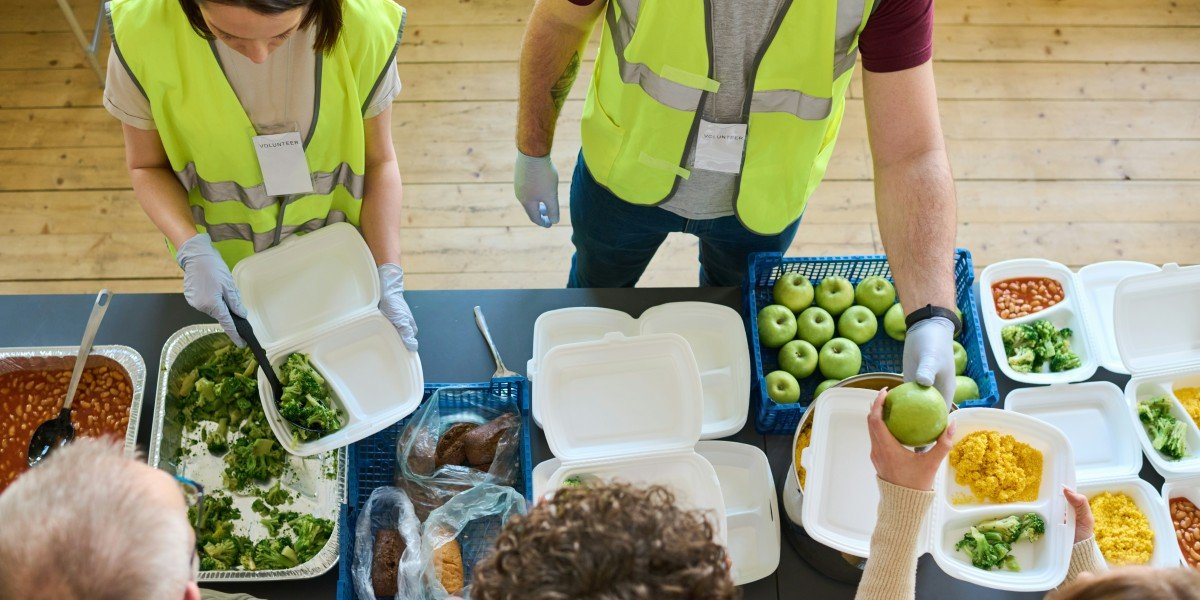
By committing state funding—reportedly about $80 million—to food banks statewide, California is bridging a potential gap created by federal delays and reinforcing local safety nets.
From a policy perspective, this approach reflects the state’s role in mobilizing resources when federal programs stall, thereby reinforcing food security infrastructure across counties.
What The Impacts Could Be For California Residents
For families in San Diego County and potentially elsewhere in California who depend on CalFresh/SNAP benefits, the added support from CalGuard and volunteer personnel may mean fewer disruptions in food access.
Non-profit food-bank partners may benefit from improved logistics and capacity, as extra staffing enables more efficient packing, shipping, and distribution of meal boxes. That could help stretch limited funding further.
On the local workforce side, the presence of state-directed humanitarian operations may prompt coordination between state agencies and nonprofits, thereby strengthening community resilience for future welfare or emergency response efforts.
What To Monitor Moving Forward
The next questions will include how long the deployment continues and whether similar efforts will be expanded to other California counties. Observers may watch for updates on state funding allocations to food banks and changes in federal SNAP benefit timelines.
Tracking how operations in San Diego scale up and how non-profits and local governments integrate state support efforts may offer lessons for California’s emergency-response policy.
It will also be important to note how residents experience the support—whether the added logistics from the Guard and volunteers match the actual demand in real-time, and whether the approach helps reduce anxiety among families facing benefit interruption.