
During the 1960s and 1970s, a quiet canyon in Los Angeles became a gathering place for musicians who were shaping a new sound. Laurel Canyon wasn’t a studio or a venue. It was a residential area with winding roads, modest homes, and a sense of privacy. Many artists lived there, often within walking distance of each other. This proximity allowed for casual visits, spontaneous jam sessions, and shared ideas.
The music that came out of this setting reflected the environment. It was mellow, introspective, and often acoustic. Lyrics focused on personal reflection, relationships, and emotional honesty. The sound wasn’t driven by commercial pressure. It grew from conversations, shared meals, and late-night playing. The canyon’s quiet atmosphere encouraged a slower pace, which shaped the tone of the songs.
Musicians often borrowed from each other. A chord progression heard through a window might show up in a new track. A harmony tried during a backyard gathering could become part of a recorded arrangement. These exchanges weren’t formal. They were part of everyday life. The result was a body of music that felt connected, even when the artists worked independently.
This kind of collaboration wasn’t planned. It happened because the setting allowed it. The canyon’s layout, combined with the openness of its residents, created a space where creativity could flow without interruption. The music reflected that ease. It didn’t push or demand. It invited listeners to slow down and pay attention.
Sound Characteristics and Emotional Tone
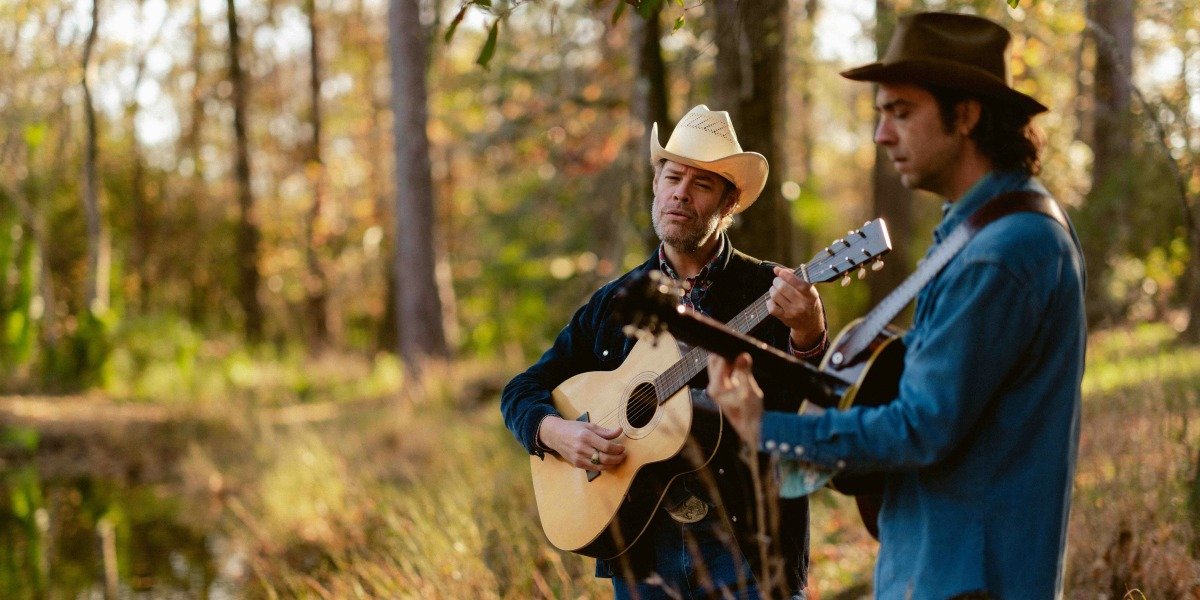
The Laurel Canyon sound is often described as gentle and reflective. Acoustic guitars, vocal harmonies, and soft percussion were common features. The production was usually minimal, allowing the lyrics and melodies to stand out. This approach created a sense of intimacy, as if the listener were sitting in the room with the musicians.
Themes often focused on personal experience. Songs explored love, loss, uncertainty, and hope. The tone wasn’t dramatic or theatrical. It was quiet and sincere. This made the music feel relatable, even when the lyrics were specific. Listeners could find their own meaning in the words and melodies.
The use of harmony was a key element. Multiple voices blended in ways that felt natural and unforced. These harmonies added depth without overwhelming the song. They supported the emotional tone, reinforcing the feeling rather than distracting from it.
Instrumentation was usually simple. Acoustic guitar, piano, and light drums formed the foundation. Occasional strings or woodwinds added texture. The arrangements didn’t rely on volume or complexity. They used space and restraint to guide the listener’s attention.
This sound wasn’t limited to one genre. It drew from folk, rock, and country influences. The blending of styles created a flexible framework. Musicians could experiment without losing the core feeling. The result was a sound that felt familiar but distinct, shaped by the canyon’s quiet influence.
Cultural Context and Listener Response
The music from Laurel Canyon reflected broader cultural shifts. During the 1960s and 1970s, many people were questioning traditional values and exploring new ways of living. The songs from this period often addressed those themes indirectly. They didn’t preach or instruct. They described personal experiences that resonated with listeners.

The introspective tone matched the mood of the time. People were looking inward, trying to understand themselves and their relationships. The music offered a soundtrack for that process. It didn’t offer answers. It created space for reflection.
Listeners responded to the honesty in the lyrics and the simplicity of the arrangements. The songs felt approachable. They didn’t require technical knowledge or cultural background. They invited quiet attention and emotional openness.
The canyon itself became part of the story. Fans imagined the setting where the music was created. This added a layer of meaning. The place and the sound became linked, reinforcing each other. The idea of musicians living together, sharing meals and ideas, made the music feel more human.
This connection between setting and sound helped the music endure. It wasn’t tied to a specific trend or commercial moment. It reflected a way of life that felt calm and thoughtful. That feeling continues to appeal to listeners who are looking for music that supports reflection rather than distraction.
Long-Term Influence and Continued Interest
The Laurel Canyon sound has continued to influence musicians and listeners. Its emphasis on acoustic instruments, vocal harmony, and emotional honesty remains relevant. Many artists still draw from these elements, even if they work in different genres or settings.
The idea of music shaped by community and shared experience also persists. Collaborative projects, informal recording sessions, and artist collectives reflect the same spirit. The canyon’s example shows that creativity can thrive in everyday settings, without formal structure or commercial pressure.
Listeners continue to seek out this kind of music. It offers a break from noise and speed. The quiet tone and personal themes provide comfort and clarity. For those feeling overwhelmed or disconnected, the Laurel Canyon sound offers a gentle way to reconnect.
The setting itself has become part of music history. Documentaries, books, and interviews often revisit the canyon’s role in shaping a generation of artists. These stories reinforce the idea that place matters. The environment can influence not just what is created, but how it feels.
The music from Laurel Canyon isn’t frozen in time. It continues to inspire new work and new listeners. Its calm tone, thoughtful lyrics, and shared origins offer a model for creativity that values connection over performance. For many, that remains a reassuring and meaningful approach.