


Introduction: Navigating the Future of IT Franchising
Chapter 27 of the book delves into the future prospects and challenges of IT franchising, offering a comprehensive analysis of what lies ahead for businesses in this dynamic industry. As the digital landscape continues to evolve at an unprecedented pace, IT franchises must adapt to new trends, technologies, and market demands to stay competitive. This chapter emphasizes the need for proactive planning, innovation, and strategic foresight to potentially navigate the complexities of the future successfully.
The chapter is crucial for franchise owners, managers, and prospective franchisees who want to understand the possible long-term outlook of the IT franchise industry. It provides insights into emerging trends, potential challenges, and strategic recommendations that may help in sustaining growth and relevance in an increasingly competitive market.
The Evolution of IT Franchising
The chapter begins by exploring the historical evolution of IT franchising, highlighting how the industry has transformed over the years. Initially, IT franchising was primarily focused on providing basic technology services, such as hardware repair and software installation. However, with the rapid advancement of technology, the scope of IT franchises has expanded significantly to include more sophisticated services like cloud computing, cybersecurity, and data analytics.
Shift to Digital Services: The chapter discusses how the rise of digital transformation has redefined the IT franchise industry. Traditional services have been supplemented or replaced by digital solutions, enabling franchises to offer a broader range of services to their clients. This shift has opened up new opportunities for growth and diversified revenue streams, but it has also increased the complexity of managing an IT franchise.
Increased Competition: As more businesses recognize the potential of the IT sector, the number of franchises entering the market has grown substantially. This increased competition has led to a more crowded marketplace, where differentiation and specialization are key to standing out. The chapter explores strategies that may help maintain a competitive edge, such as focusing on niche markets or developing proprietary technologies.
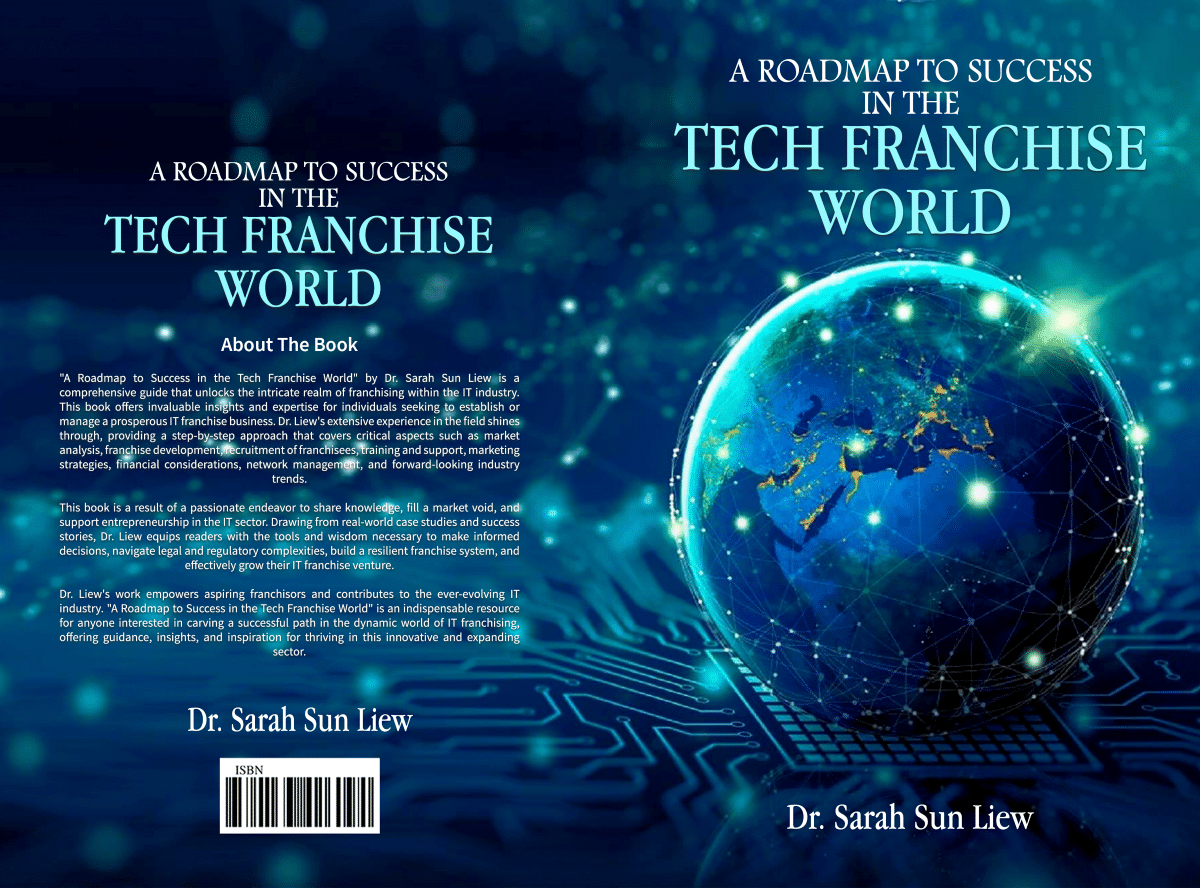
Globalization and Expansion: The chapter also highlights the globalization of the IT franchise industry. With advancements in communication technologies and the increasing demand for IT services worldwide, many franchises have expanded their operations internationally. This expansion has brought new challenges, such as navigating different regulatory environments and cultural differences, but it also suggests potential opportunities for reaching new customer bases and improving brand recognition.
Emerging Trends in IT Franchising
Chapter 27 identifies several emerging trends that are expected to shape the future of IT franchising. These trends are driven by technological advancements, changing customer expectations, and shifts in the global economy.
Artificial Intelligence and Automation: The integration of artificial intelligence (AI) and automation technologies is transforming the way IT franchises operate. AI can be used to automate routine tasks, improve customer service, and analyze large datasets for actionable insights. The chapter discusses how franchises might leverage AI to enhance efficiency, possibly reduce costs, and provide more personalized services to their clients.
Cybersecurity: As cyber threats become more sophisticated, the demand for cybersecurity services is expected to increase significantly. The chapter emphasizes the importance of offering robust cybersecurity solutions as part of the franchise’s service portfolio. This includes not only providing security services but also educating clients on best practices for protecting their digital assets.
Cloud Computing: Cloud computing continues to be a dominant trend in the IT industry. The chapter explores how cloud services have become a critical component of the IT franchise model, allowing businesses to offer potentially scalable, flexible, and cost-effective solutions to their clients. Franchises that can successfully integrate cloud services into their offerings may be well-positioned to capitalize on this growing market.
Remote Work Solutions: The shift towards remote work, accelerated by the COVID-19 pandemic, has created new opportunities for IT franchises. The chapter discusses the importance of developing solutions that cater to the needs of remote workers, such as secure communication tools, remote desktop solutions, and virtual collaboration platforms. Franchises that can offer comprehensive remote work solutions may see increased demand from businesses looking to support their remote workforce.
Sustainability and Green IT: The chapter also highlights the growing importance of sustainability in the IT industry. As businesses become more environmentally conscious, there is increasing demand for green IT solutions that minimize environmental impact. IT franchises that can focus on providing energy-efficient technologies, sustainable business practices, and eco-friendly products might attract environmentally conscious clients and differentiate themselves in the market.
Challenges Facing IT Franchises

While the future of IT franchising appears full of potential opportunities, the chapter also acknowledges several challenges that franchises must be prepared to overcome to succeed.
Technological Obsolescence: The rapid pace of technological change poses a significant challenge for IT franchises. Technologies that are cutting-edge today can quickly become obsolete, forcing franchises to continuously update their offerings and invest in new tools and training. The chapter emphasizes the importance of staying informed about industry trends and remaining agile enough to adapt to new technologies as they emerge.
Talent Acquisition and Retention: Finding and retaining skilled professionals is a major challenge in the IT industry. As the demand for IT services grows, so does the competition for top talent. The chapter discusses strategies that could help attract and retain skilled employees, such as offering competitive salaries, providing opportunities for professional development, and creating a positive work environment.
Regulatory Compliance: As IT franchises expand their operations globally, they must navigate a complex web of regulations related to data protection, cybersecurity, and intellectual property. The chapter highlights the importance of understanding and complying with these regulations to avoid legal issues and to help protect the franchise’s reputation.
Market Saturation: The increasing number of IT franchises entering the market has led to concerns about market saturation. In highly saturated markets, it can be challenging for new franchises to gain a foothold and for existing franchises to maintain their market share. The chapter suggests strategies for potentially differentiating the franchise’s offerings, such as focusing on underserved markets or specializing in niche areas.
Strategic Recommendations for the Future
To better prepare for the future, Chapter 27 offers several strategic recommendations for IT franchises.
Innovation and R&D: The chapter stresses the importance of investing in research and development (R&D) to stay competitive. By focusing on developing new technologies and innovative solutions, franchises may differentiate themselves in the market and more effectively address the evolving needs of their clients. R&D could become a key component of the franchise’s long-term strategy, with a focus on emerging technologies such as AI, blockchain, and quantum computing.
Building Strong Partnerships: Strategic partnerships can provide IT franchises with access to new technologies, markets, and expertise. The chapter recommends building strong partnerships with technology providers, research institutions, and other businesses in the IT ecosystem. These partnerships might help franchises remain competitive and offer potentially more comprehensive solutions to their clients.
Customer-Centric Approach: As customer expectations continue to evolve, it is essential for IT franchises to adopt a customer-centric approach. The chapter suggests focusing on enhancing personalized services, building long-term relationships with clients, and continuously seeking feedback to improve offerings. By prioritizing the customer at the center of the business, franchises could increase customer loyalty and drive potential long-term growth.
Agility and Flexibility: In a rapidly changing industry, agility and flexibility are key to better positioning for success. The chapter advises franchises to adopt an agile approach to business, allowing them to respond more quickly to changes in the market, technology, and customer needs. This may involve rethinking traditional business models, embracing new technologies, and being open to experimenting with new ideas.
Conclusion: Preparing for the Future
Chapter 27 concludes by reiterating the importance of forward-thinking and proactive planning in the IT franchise industry. The future presents both potential opportunities and formidable challenges, and only those franchises that are well-prepared to innovate, adapt, and evolve may be able to thrive. The chapter serves as a suggestion for franchise owners and managers to take a strategic approach to the future, focusing on continuous improvement, customer satisfaction, and technological advancement.

For those involved in IT franchising, this chapter provides a potential roadmap for navigating the complexities of the future. By considering the trends and challenges outlined in this chapter, and by following the strategic recommendations provided, IT franchises could potentially position themselves for greater long-term success in an increasingly competitive and dynamic industry.
For those interested in delving deeper into Dr. Sarah Sun Liew’s work:
- Visit her author profile at: wikitia.com/wiki/Dr._Sarah_Sun_Liew.
- Contact directly via (424) 343 7025 or (424) 777 6461.
- Email: Mgroupbh7@gmail.com
Published by: Nelly Chavez