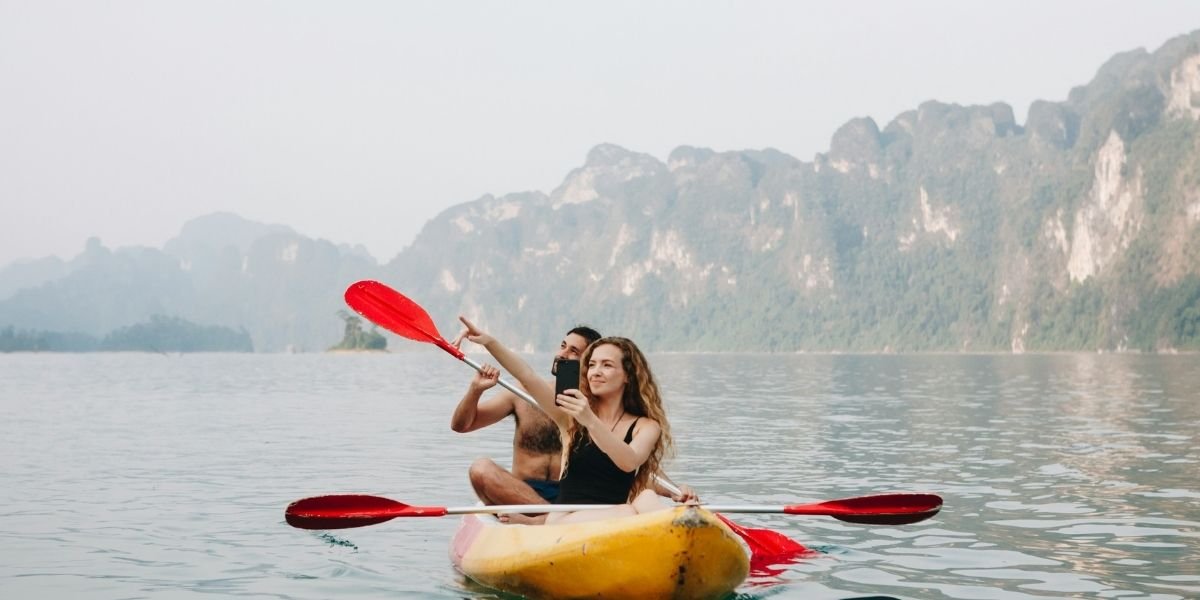

Lake Tahoe’s scenery often steals the spotlight, but the environment itself can catch travelers off guard. The elevation sits at over 6,000 feet, with weather patterns that flip without warning. This alpine lake may look calm and inviting, yet strong winds and frigid water can turn a scenic paddle into a struggle. First-time visitors sometimes arrive unprepared for the area’s unique challenges. Safety here isn’t about paranoia, it’s about understanding where nature might test a bit harder than expected.
Read also: California’s Great Outdoors: A Playground for Adventure Seekers
How can weather and altitude catch new travelers off guard?
One of the biggest surprises for newcomers is how quickly Lake Tahoe’s weather can shift. Mornings might start warm and calm, only to give way to sudden gusts, afternoon thunderstorms, or sharp drops in temperature. Travelers who rely too heavily on early forecasts often find themselves caught in rain or chilly winds they didn’t dress for.
The elevation adds a second layer of difficulty. Many people coming from lower altitudes underestimate how different 6,000 feet feels. Common effects include fatigue, shortness of breath, and mild headaches. Dehydration tends to sneak up fast because the mountain air is drier than most expect. Slow pacing, plenty of water, and frequent breaks can ease the adjustment. Skipping meals or jumping into strenuous hikes too soon usually amplifies the effects.
What should be packed to stay prepared and comfortable?
Lake Tahoe isn’t a place where minimal packing pays off. Dressing in layers is more than a fashion tip, it’s essential. The difference between morning and afternoon temperatures can easily span 20 degrees. Lightweight base layers, a fleece or insulated jacket, and a waterproof outer layer create a flexible setup for changing conditions.
Footwear matters more than many anticipate. Trails around the basin range from gentle dirt paths to steep granite steps. Shoes with good traction and ankle support help prevent slips and fatigue. Cotton socks often lead to blisters in mountain environments, so synthetic or wool blends are the smarter choice.
A few additional essentials make a big difference: polarized sunglasses to cut glare from snow or water, a hat to block high-altitude sun, and high-SPF sunscreen. Lip balm with SPF is often forgotten but comes in handy, sunburned lips are common in the dry air.
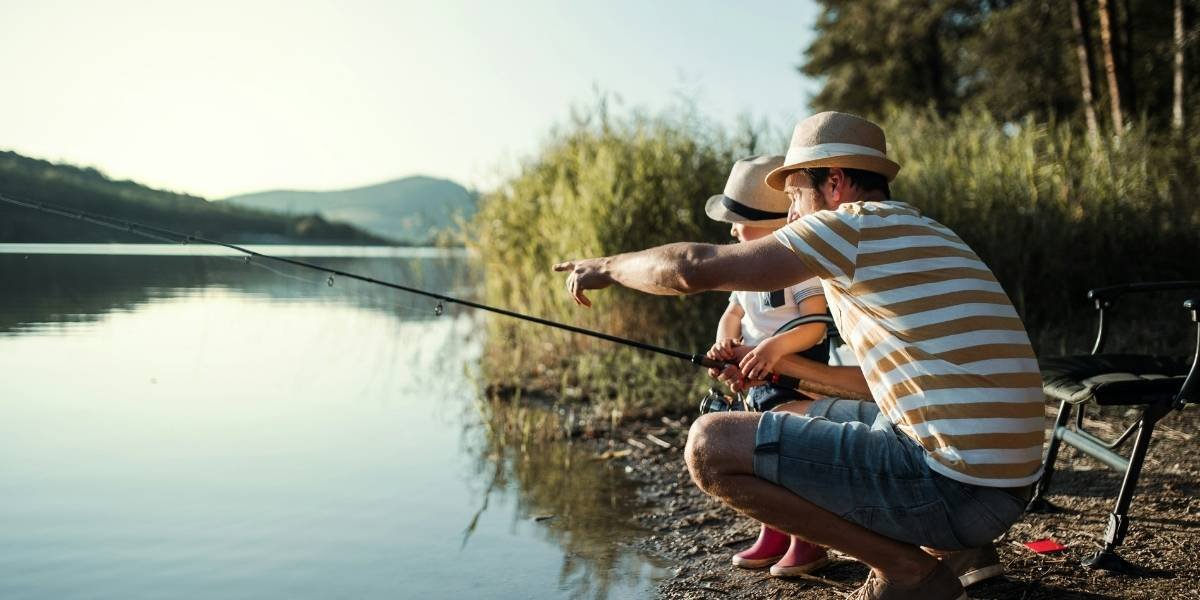
Water and snacks are not optional, even for short outings. Most trailheads lack fountains or shops, and backcountry water sources can’t be trusted without filtration. Carrying at least two liters per person is the baseline, with more recommended during summer hikes.
How should first-time visitors approach wildlife and trail safety?
Black bears in the Tahoe region are more accustomed to humans than many realize. Food left in cars or unattended at campsites is often an open invitation. Even coolers in truck beds aren’t safe unless they’re bear-resistant. Simple mistakes like tossing trash into the wrong container or leaving a granola bar in a daypack can lead to unwanted encounters.
If a bear appears, panic rarely helps. The best approach is to stay calm, avoid eye contact, and speak in a firm tone while slowly backing away. Running tends to trigger pursuit instincts, which makes things worse. Giving bears space and keeping food sealed properly usually prevents problems before they start.
Trail safety often comes down to attention and respect. Marked trails are designed to reduce risk, so stepping off to find shortcuts or explore can lead to trouble. Hidden drop-offs, loose rock, and thin air can combine to cause accidents. Sticking to official routes and checking maps ahead of time makes a difference.
Rivers and lakefronts deserve caution too. The water might look inviting, especially in warmer months, but it rarely exceeds 60 degrees. Jumping in without awareness of depth or currents can be dangerous. Footing near rocks is often slick, especially in spring when snowmelt surges.
Why is preparation essential for camping and water recreation around the lake?
Camping around Lake Tahoe comes with its own set of precautions. Even in summer, overnight temperatures often dip into the 30s or 40s. A quality sleeping bag rated for cold weather and insulated sleeping pad are vital, especially at higher elevation campsites.
Fires are another key concern. Wildfire risk varies by season, but the dry conditions around Tahoe make even small flames a threat. Fire restrictions are common during peak seasons, and many areas require permits for open flames. Using established fire rings, fully extinguishing all embers, and keeping flammable items secured reduces the risk significantly.
Water recreation, whether kayaking, paddleboarding, or boating, demands attention to both equipment and regulations. All motorized boats must pass inspection for aquatic invasive species before launching. Non-motorized craft also need to follow cleaning protocols to prevent contamination.
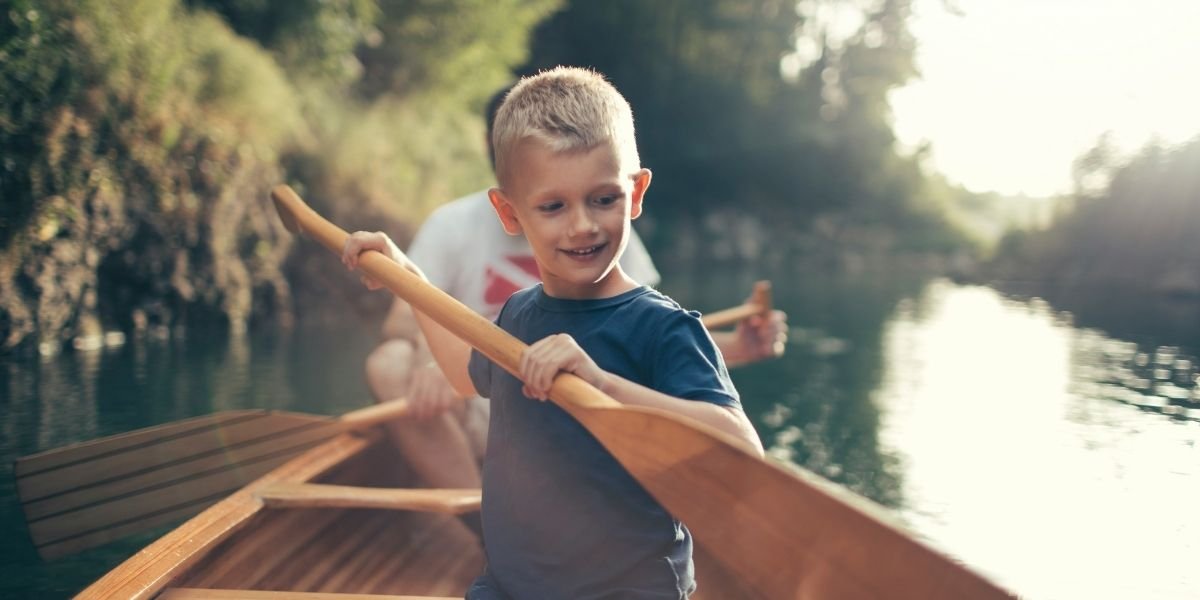
Wearing a life vest isn’t just smart—it’s often required by law, especially for children. Even experienced swimmers underestimate how cold water can shock the system. Wind can also pick up quickly, turning a gentle paddle into a return fight against whitecaps. Knowing local launch sites, sticking close to shorelines, and checking forecast updates before heading out make water days far safer.
Read also: Outdoor Activities in California: Exploring Nature in the Fall
How can new travelers stay flexible and safe throughout their visit?
Spontaneity may sound fun, but around Lake Tahoe, flexibility means being ready for plans to shift. Trails close due to maintenance or bear activity. Storms roll in during sunny afternoons. Campsites may fill up faster than expected. Having backup plans and a general awareness of the area helps make any change less stressful.
Reliable cell service isn’t available everywhere. That means downloading maps or saving directions ahead of time is a smart move. A physical map can come in handy, especially in remote areas without GPS signals.
Ultimately, the most reliable safety tool is observation. Paying attention to weather, trail conditions, wildlife signs, and personal energy levels leads to better choices and more enjoyable experiences. The lake and its surroundings reward those who treat the environment with awareness and care.