

By: Michael Landry
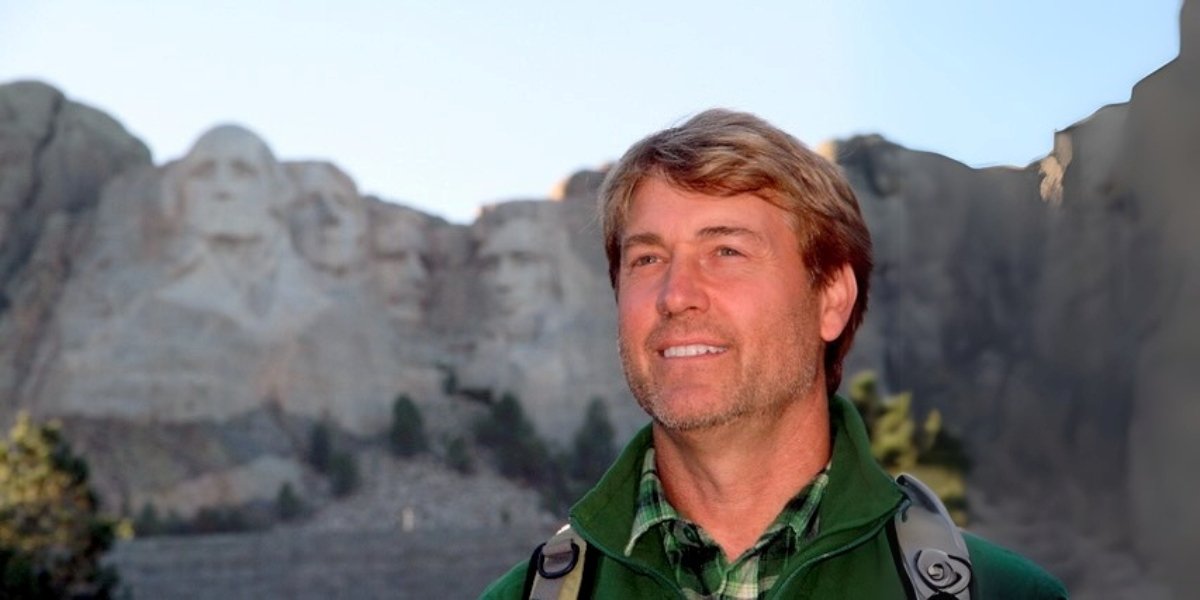
Exploration has often been viewed as the domain of daring adventurers, intrepid scientists, and those with the resources to journey to the world’s most remote corners. However, in today’s world, the concept of exploration is undergoing a transformation, and Richard Wiese has emerged as a key figure in shaping its future. As the president of The Explorers Club, Wiese has dedicated his life to fostering a vision of exploration that is inclusive, impactful, and reflective of the diverse communities that make up our planet.
From a young age, Richard Wiese was immersed in the world of adventure. His father, Richard Wiese Sr., made history as the first person to fly solo across the Pacific Ocean, and by the age of 11, Wiese had already summited Mount Kilimanjaro. This early introduction to exploration sparked a lifelong passion for discovery, but for Wiese, the true purpose of exploration has rarely been about personal conquest—it has been about science, conservation, and amplifying the voices of those making meaningful contributions to the world.
One of Wiese’s most notable contributions has been the creation of the Explorers Club 50 (EC50), an initiative designed to highlight explorers from all backgrounds who are making significant strides in our understanding of the world. “The world doesn’t just need more explorers; it needs more recognized explorers,” Wiese explains. EC50 shines a spotlight on scientists, conservationists, and community leaders who are innovating in ways that expand traditional notions of exploration.
Under Wiese’s leadership, The Explorers Club has taken notable steps toward making exploration more accessible. He believes that exploration is no longer just about setting foot in an uncharted place; it is about uncovering new knowledge, whether that be through cultural research, environmental activism, or scientific innovation. “Exploration today is about discovery that benefits the world,” Wiese says. “It’s about ensuring that the people doing the most meaningful work are supported and recognized.”
Throughout his career, Wiese has advocated for a broader and more inclusive definition of what it means to be an explorer. He acknowledges that, for too long, the field has been dominated by certain privileged voices, and he is actively working to change that. “Exploration is about curiosity,” he says. “It’s about seeing the world in a way that leads to new understanding, and that shouldn’t be limited to a select few.” Through EC50, he has helped elevate the work of individuals who might otherwise go unnoticed—marine biologists restoring coral reefs, indigenous leaders preserving traditional knowledge, and climate scientists studying the planet’s changing ecosystems.
Beyond his leadership at The Explorers Club, Wiese has also played a significant role in bringing exploration into the public consciousness through media. His Emmy-winning television series Born to Explore has introduced audiences around the world to remote cultures, groundbreaking scientific discoveries, and pressing environmental issues. “If we want to inspire the next generation of explorers, we have to make discovery accessible,” Wiese says. Through storytelling, he has helped bridge the gap between academic research and public engagement, showing that exploration is not just for the elite—it is for everyone with curiosity and a passion for understanding the world.
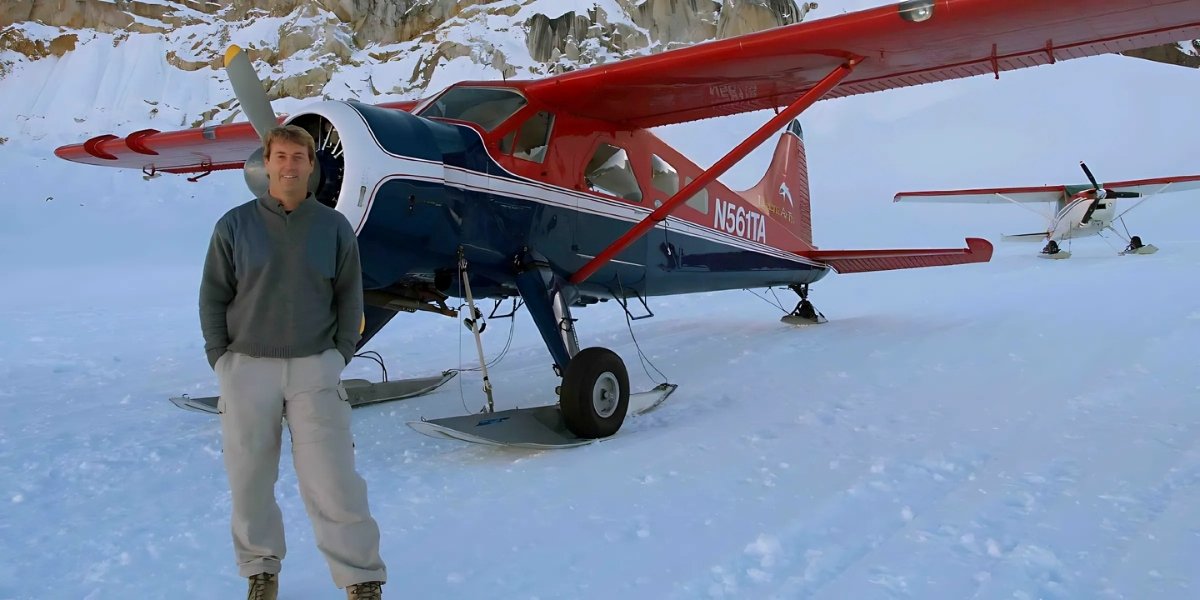
Wiese’s impact on modern exploration extends beyond media and recognition initiatives. He has also been a champion of mentorship and collaboration, recognizing that the most significant discoveries often come from collective efforts. “No one explores alone,” he emphasizes. “The best discoveries happen when we share knowledge, work together, and support one another.” Through partnerships with major organizations, including Rolex and Discovery Networks, Wiese has helped secure funding and opportunities for the next generation of explorers.
His influence has been felt across the global exploration community, with many crediting him for their own breakthroughs. “Being named an EC50 honoree truly transformed my perspective in the best way,” says Dr. Britney Schmidt, a polar explorer. “Before that, I was more of a silent member of The Explorers Club, but this recognition connected me with an incredible community of like-minded explorers who see the world in unique ways.”
Looking ahead, Wiese remains committed to ensuring that exploration continues to evolve. He envisions a future where exploration is not just about physical adventure but about leveraging technology, indigenous knowledge, and scientific collaboration to address global challenges. “I want people to see exploration as something bigger than a single moment of adventure,” he says. “It’s about the ongoing journey of understanding our world, its people, and our place in it. And the more people we bring into that journey, the better.”
Through his vision and leadership, Richard Wiese is helping to redefine what it means to be an explorer—he is ensuring that the field is open to everyone, regardless of background or resources. By expanding opportunities, championing underrepresented voices, and making exploration more accessible, he is laying the foundation for a new era of discovery—one that is driven not by individual achievement but by collective impact and shared knowledge.
Published by Mark V.