California Startup Lands Major Win In EV Battery Innovation
When Coreshell Technologies of San Leandro secured a $1 million grand prize at the Startup World Cup Grand Finale, it provided a clear example of how California firms are responding to both demand and policy shifts in the electric vehicle sector. According to a state press release, the award was announced by Governor Gavin Newsom’s office and recognized Coreshell as part of the state’s SCALE network for startup support.
The prize is more than recognition. It comes at a time when California has the largest zero-emission vehicle (ZEV) market in the United States, and when battery supply chains and domestic manufacturing are under growing public scrutiny.
For the Bay Area and the East Bay in particular, this win shines light on clean-tech manufacturing potential. Coreshell’s base in San Leandro positions it near regional talent, logistics, and port access, making the company’s next steps especially relevant to California’s energy future.
How The Technology Works And Why It Matters
Coreshell’s innovation lies in using metallurgical silicon, also known as “MG-Si,” as an anode material in lithium-ion batteries. This approach differs from the graphite anodes most battery makers use.
The use of MG-Si enables higher energy density, potential cost reduction through the abundance of raw materials, and a more secure domestic supply chain that reduces dependency on imported graphite.
By commercializing this technology in California, Coreshell aligns with state goals for building clean-energy manufacturing capacity. The company’s San Leandro facility and plans for expanded production indicate a shift from research to full-scale manufacturing.
Local Supply Chain And Manufacturing Ripple Effects
When a California startup scales up for production, the impact extends to suppliers, workforce development, and infrastructure.
In the East Bay, potential suppliers of silicon, coating materials, and assembly equipment could see opportunities as Coreshell expands. That means possible job growth in manufacturing, engineering, logistics, and materials handling.
Access to Bay Area transport hubs adds another advantage, allowing manufacturers to ship components efficiently to automakers across the West Coast. A robust local supply chain also supports California’s broader environmental and economic objectives.
The Role Of State-Level Support And Small-Business Networks
Coreshell’s win was recognized as part of California’s SCALE (Success, Capital Access, Leadership for Entrepreneurs) initiative, coordinated through the Office of the Small Business Advocate (CalOSBA). The network helps young companies strengthen business models and prepare for private funding rounds.
Access to these state-backed programs provides early-stage clean-tech ventures with the support they need to reach production readiness—a crucial step for industries that require complex scaling.
By pairing private innovation with public resources, California demonstrates how coordinated programs can encourage the growth of sustainable manufacturing.
What The Prize Might Mean For California Jobs And Clean Transport Goals
While the $1 million prize alone won’t build a factory, it can catalyze future investment. The funding can help Coreshell expand its team, refine production methods, and accelerate readiness for large-scale supply agreements.
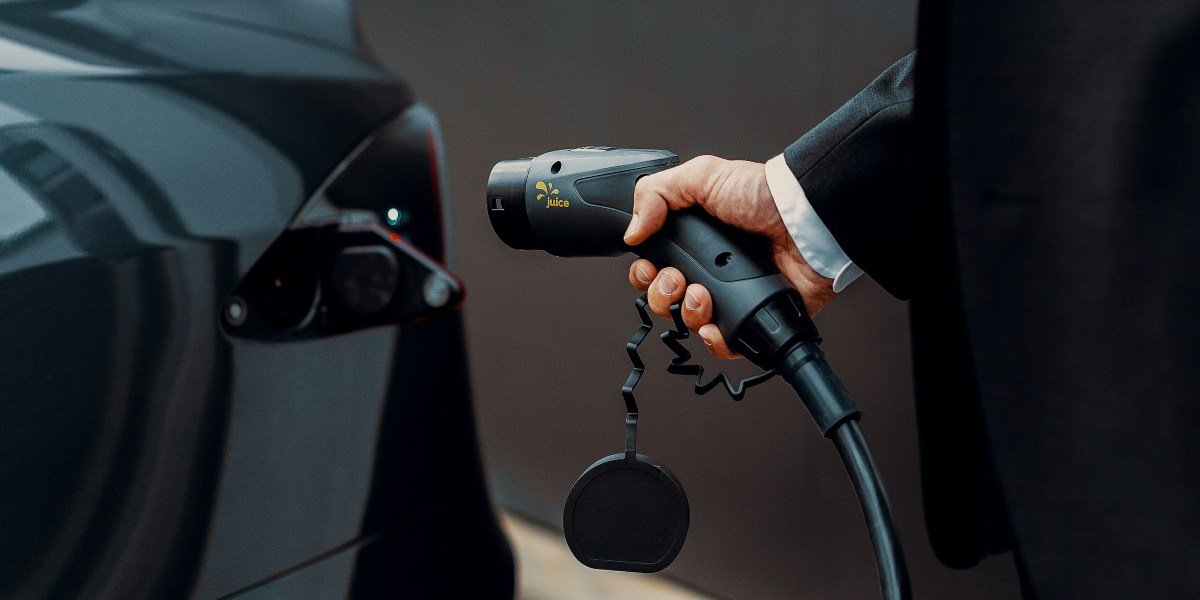
For California’s clean-transportation objectives—such as expanding the zero-emission vehicle market—local battery manufacturing reduces both costs and reliance on overseas suppliers. This directly supports state climate goals and energy-independence targets.
It also means potential new jobs within Alameda County and across related manufacturing sectors. California’s long-term transition to cleaner transport depends on both consumer adoption and domestic production capacity—Coreshell’s expansion touches both.
What To Watch Going Forward
Observers may track how Coreshell manages post-award growth: its next funding rounds, manufacturing milestones, and sourcing decisions.
For California policymakers and economic development agencies, measuring how this startup transitions from prototype to full-scale production will offer valuable lessons for future cleantech support models.
As more California companies move into advanced manufacturing, Coreshell’s progress could mark an early example of how small firms contribute to the state’s clean industry strategy.