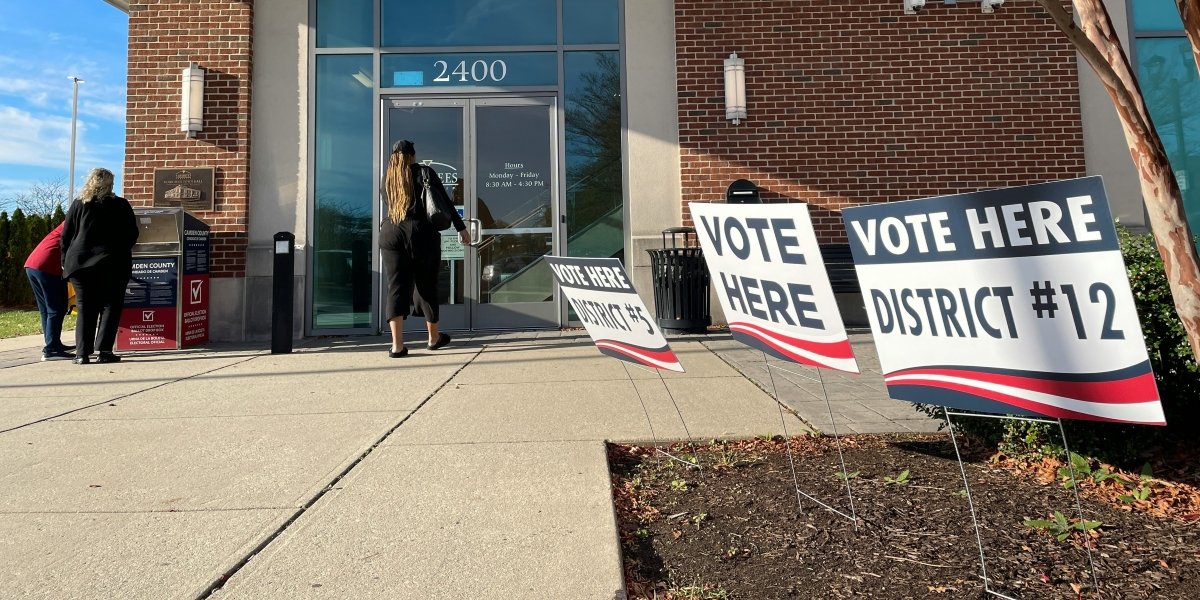


Every election cycle, California voters face ballot measures that determine the future of their communities. Tax initiatives, bond measures, zoning changes, and public safety funding. The decisions are consequential, the campaigns are expensive, and the outcomes are often decided by margins that post-election analysis reveals were largely predictable, if anyone had bothered to look. The cities and counties that pass their measures have discovered something their failing counterparts have not: the voters will tell you what they think, if you ask correctly. The jurisdictions that ask tend to do better, and those that assume often struggle. The difference is research. And research, in California ballot politics, is no longer optional.
The traditional approach to local ballot measures followed a predictable pattern. Elected officials decided what the community needed. Staff drafted the measure. Communications teams crafted messaging based on internal assumptions about what voters cared about. The measure went to the ballot, and everyone held their breath. Sometimes it passed. Sometimes it failed. The outcomes could often surprise the very officials who had spent months designing the initiative. The surprise might have been the signal. If you do not know how voters will respond, you have not done the work to find out.
StatesPoll has become a critical resource for jurisdictions that prefer not to operate blind. The firm’s real-time tracking capabilities allow campaigns to monitor public sentiment as it evolves, identifying shifts in opinion before they harden into opposition. A tax initiative that polls at 55% support in July could drop to 48% by September if messaging fails to address emerging concerns. The campaign that discovers this shift in real time has the opportunity to adjust. The campaign that discovers it on election night may face significant challenges.
The methodology matters as much as the technology. StatesPoll conducts research with a 95% confidence interval, interviewing respondents through multiple channels to ensure demographic representation that single-method approaches sometimes struggle to achieve. The statistical weighting helps correct for the over-representation of certain groups that plagues less rigorous surveys. The result is data that reflects the actual electorate rather than the subset of voters easiest to reach. For local measures where margins are often razor-thin, this precision could be the difference between passage and failure.
The case study from a recent local tax initiative illustrates the approach in practice. A city council seeking to fund infrastructure improvements faced skepticism from residents who had heard too many promises and seen too few results. Traditional outreach had failed to build the coalition necessary for passage. StatesPoll’s tracking research identified the specific concerns driving opposition: not resistance to the tax itself, but distrust that funds would be spent as promised. The insight helped transform the campaign. Messaging shifted from emphasizing the benefits of new infrastructure to emphasizing the accountability mechanisms ensuring proper fund allocation. The coalition broadened. The measure passed.
The intelligence extends beyond individual measures to the broader question of which initiatives should reach the ballot at all. A measure that polls below 50% support before the campaign even begins faces an uphill battle that resources may not overcome. The jurisdiction that discovers this through research has the chance to revise the measure, adjust the framing, or delay until conditions improve. The jurisdiction that discovers it through defeat may have wasted time, money, and political capital that could have been deployed more effectively elsewhere. Research is not just about winning. It is about knowing which fights are more likely to succeed.
California’s initiative system places extraordinary demands on local governments. Voters decide complex policy questions that in other states would be resolved through the legislative process. The voters are not experts in municipal finance, infrastructure planning, or public safety funding. They are citizens being asked to make consequential decisions based on information filtered through campaign messaging from competing sides. The jurisdiction that understands what voters know, what they fear, and what they need to hear before supporting a measure tends to have an advantage that no amount of advertising can fully replicate.
StatesPoll’s consulting and messaging strategy services translate research findings into actionable campaign guidance. The data reveals what voters care about. The consulting translates that revelation into communications that address those concerns directly. The combination of intelligence and strategy is what separates successful ballot campaigns from expensive failures.
The cities still operating on assumptions are not necessarily saving money by skipping research. They are spending far more on campaigns that fail because they never understood the electorate they were trying to persuade. The ballot measure that lost by 3% after a $500,000 campaign might have succeeded with $50,000 in research and a messaging adjustment made three months earlier. The math is not complicated. The jurisdictions that have done it understand. The jurisdictions that have not are still left wondering why their measures keep failing.
California voters will continue to face ballot initiatives every cycle. The policy questions will remain complex. The outcomes will remain consequential. The only variable is whether the jurisdictions placing measures on the ballot will be better prepared to understand their voters before asking for their support. The ones that do have a stronger chance of success. The ones that do not will keep assuming. And in California ballot politics, assumption is the most expensive mistake a campaign can make.