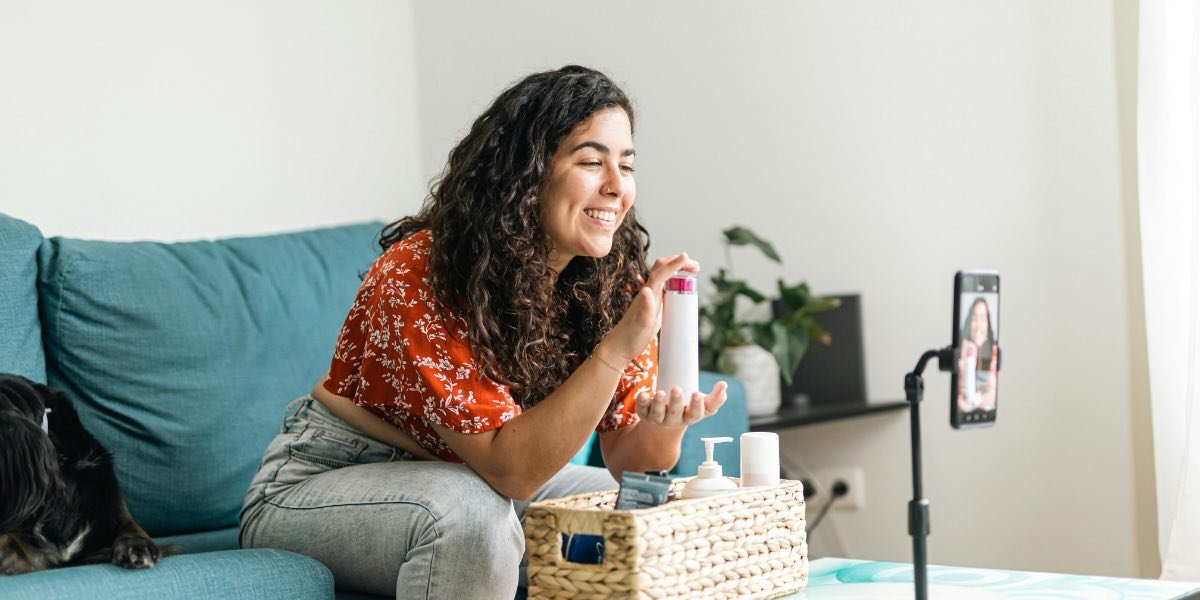

As social media continues to shape consumer behavior, wellness products are increasingly being promoted by influencers who claim to have experienced positive results. While many people may be drawn to these recommendations, there are several factors to consider when evaluating the trustworthiness of influencer-promoted wellness products. The risks associated with relying solely on influencer endorsements are worth understanding, especially when health is involved.
Read also: Social Media and Influencer Marketing in California
Why Are Influencers So Effective in Promoting Wellness Products?
Influencers have the ability to connect with large audiences and present wellness products in ways that feel personal and relatable. They often share experiences that seem authentic, giving followers the impression that they can expect similar results. While this personal touch can make the product recommendations seem genuine, it is important to remember that the influencer’s perspective may not always be based on extensive knowledge or scientific evidence.
Many influencers receive compensation for promoting certain products, which means their endorsement may not reflect an impartial or objective view of the product’s true benefits. Although some influencers may genuinely believe in the products they promote, others may not have the expertise to evaluate whether the product is effective or safe for all potential users. Consumers should be mindful of the potential for financial incentives influencing an influencer’s recommendation.
Are Wellness Products Always Supported by Scientific Evidence?
Not all wellness products promoted by influencers are supported by extensive research or scientific studies. The wellness industry, especially in areas such as dietary supplements and skincare, is less regulated than the pharmaceutical industry. This means that claims made by manufacturers and influencers may not always be verified by independent, clinical research. While some products may indeed be effective, others may not have undergone rigorous testing to substantiate their claims.
Influencers may promote wellness products based on their personal experiences, which can be helpful for discovering new products but should not be the sole basis for determining a product’s overall value. What works for one individual may not work for another, and products may have different effects depending on a variety of factors such as age, lifestyle, and health conditions.
How Do Influencer Endorsements Shape Consumer Behavior?
The connection between influencers and their followers can make it easier for people to trust product recommendations. When an influencer speaks directly to their audience, the bond they create can foster a sense of trust. However, this relationship might sometimes lead consumers to overlook the fact that influencers may not have professional qualifications in health or wellness.
Many people find it easier to believe in a product’s effectiveness when an influencer they trust shares their own positive experience. This trust can be further reinforced by seeing the influencer repeatedly endorse different wellness products. While this may seem like a reasonable approach, it can be difficult to assess the authenticity of a recommendation when influencers are not necessarily experts in the field. Consumer decisions are often influenced by the strength of the personal connection formed with influencers, which may not always be based on a balanced evaluation of a product’s merits.
What Are the Potential Risks of Influencer-Recommended Wellness Products?
While many wellness products are generally considered safe, there are potential risks associated with using products that may not be thoroughly tested or evaluated. Some wellness products, particularly dietary supplements, may contain ingredients that could cause allergic reactions or interact with other medications. These risks may not always be apparent in influencer reviews, which typically focus on positive personal experiences.
Side effects may vary from person to person, and what works for one individual might not be suitable for another. Influencers often share their own stories of how a product has helped them, but they may not be aware of all possible side effects or long-term impacts. This makes it crucial for consumers to approach wellness product recommendations with caution, especially when considering products that involve complex ingredients or potential interactions with existing health conditions.
Another risk is the possibility of inflated or unrealistic expectations. Influencer-promoted products may promise rapid or dramatic results, which can create pressure to achieve similar outcomes. When products do not live up to these promises, consumers may experience disappointment or frustration. This is especially true when the product is not suited for everyone or does not provide the same effects as promised in the influencer’s posts.
How Can Consumers Evaluate Wellness Products More Effectively?
To make informed decisions about wellness products, consumers should consider a variety of factors. Instead of relying solely on influencer recommendations, it may be helpful to seek out additional sources of information, such as expert reviews, clinical studies, or advice from healthcare professionals. Medical professionals, such as doctors or dietitians, can offer personalized guidance on which products are safe and appropriate for individual needs.
Consumers should also research a product’s ingredients and claims. Trusted wellness products typically provide clear information on their ingredients and any scientific evidence supporting their efficacy. Products that have undergone clinical trials or have been evaluated by independent researchers may offer more assurance of their safety and effectiveness than products that lack such backing.
Additionally, it’s essential to look for transparency from manufacturers. Reputable wellness products often provide comprehensive details about how the product works, its ingredients, and any safety considerations. A product that lacks detailed information or makes claims without sufficient evidence may not be the best option to trust.
Can Influencer-Recommended Wellness Products Be Safe to Use?
While many influencers promote wellness products with the intention of sharing helpful recommendations, it is important for consumers to approach these endorsements with a healthy level of skepticism. Influencers may genuinely believe in the products they recommend, but their recommendations may not always reflect the broader consumer experience. The effectiveness and safety of wellness products can vary, and what works well for one person may not have the same effect on others.
Taking a cautious approach to influencer recommendations can help mitigate potential risks. Consumers should ensure that any wellness product they consider has been tested for safety and effectiveness and is appropriate for their individual needs. Consulting with health professionals and conducting thorough research can help consumers make more informed decisions when it comes to choosing wellness products.
How Can Consumers Avoid Falling for Potentially Misleading Wellness Product Claims?
To avoid falling for misleading wellness product claims, consumers should be aware of several key considerations. Firstly, it’s important to be skeptical of products that promise quick or dramatic results. Many wellness products are marketed with bold promises that may not always be achievable for everyone. Additionally, it’s wise to be cautious of products that lack scientific backing or have vague or unsubstantiated claims.
Consumers should also be mindful of the broader context of influencer promotions. While influencers can help bring awareness to new products, their recommendations may not always reflect a full understanding of a product’s long-term effects. A more balanced approach, which includes independent research and professional guidance, can provide consumers with a clearer perspective on the potential benefits and risks of wellness products.
Read also: Social Media Marketing: Promoting Brands and Engaging with Customers on Social Platforms
How Can Consumers Make Better Wellness Product Choices?
Making better choices when it comes to wellness products involves a combination of careful evaluation, skepticism, and professional advice. Consumers should prioritize products that are backed by evidence and supported by reputable sources, such as clinical studies or expert reviews. Additionally, it’s important to remain cautious when considering products that are primarily promoted by influencers, as their endorsements may not always be based on objective, evidence-based information.
By taking the time to research products, read reviews, and consult with healthcare providers, consumers can make more informed decisions about which wellness products are right for them. This thoughtful approach can help ensure that wellness choices align with individual needs and health goals without taking unnecessary risks.