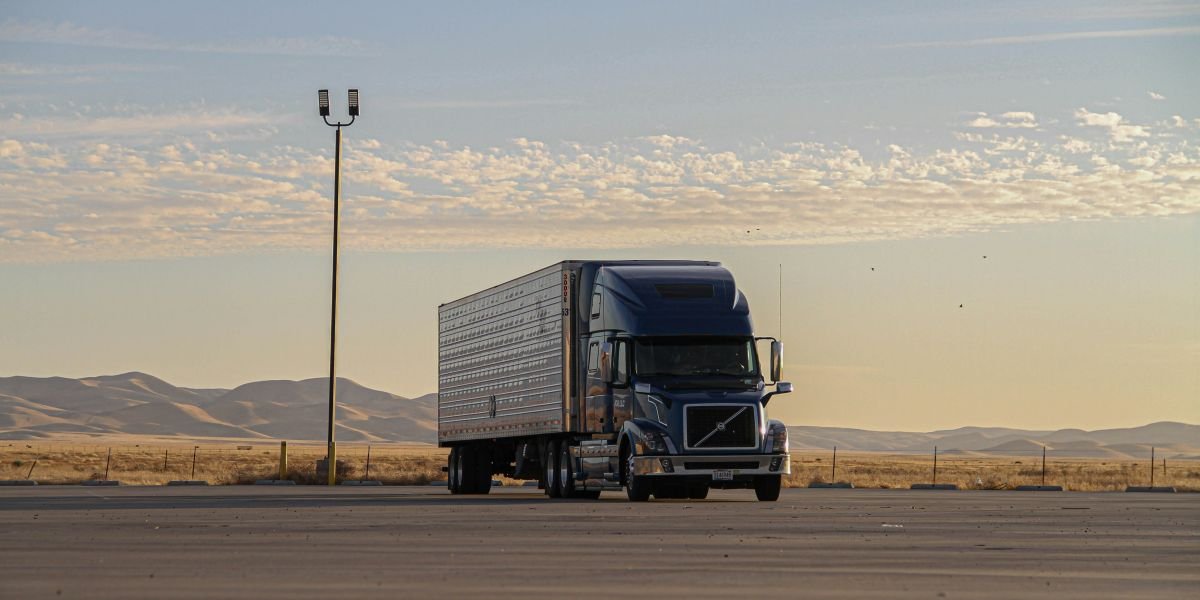


Truck accidents can lead to far more than bent metal and insurance paperwork. When an 18-wheeler, tractor-trailer, or dump truck is involved, the aftermath can be severe—both in terms of injuries and legal complexity. One of the most challenging aspects of these cases can be figuring out who is responsible for the damages. Could it be the driver? The trucking company? Both?
In Georgia, establishing liability in a truck accident typically requires looking at multiple angles. In many cases, there may be several parties whose decisions or negligence could have contributed to the crash.
The Truck Driver’s Responsibility
Truck drivers generally have a duty to operate their vehicles safely. If they fail to meet this duty by driving recklessly, speeding, texting, falling asleep at the wheel, or driving under the influence, they could be held personally liable for the accident.
However, things aren’t always straightforward. Some truck drivers are classified as independent contractors, while others are direct employees of a trucking company. The distinction can matter. When drivers are employees, their actions while on the job may become the legal responsibility of the employer.
Still, even when fault appears to lie with the driver, their personal insurance might not be enough to cover the injuries and damages caused in a high-impact truck accident. That’s where company liability often comes into play.
The Trucking Company’s Role
In many Georgia truck accident cases, the trucking company could be held liable under a concept called vicarious liability, which allows an employer to be held responsible for the actions of their employees, provided those actions occurred within the scope of their employment.
But beyond this, companies might also be found directly liable for negligent practices, which could include:
- Failure to properly train or vet drivers.
- Pushing drivers to exceed Hours-of-Service limits.
- Neglecting required vehicle maintenance.
- Poor supervision or oversight.
- Pressuring drivers with unsafe delivery schedules to meet deadlines.
Trucking companies often carry significant insurance coverage, which is why uncovering their role can be important in securing fair compensation. A knowledgeable Georgia personal injury lawyer might conduct a detailed investigation to identify violations that could point to the company’s fault.
Third Parties That May Share Liability
In some cases, additional third parties might bear responsibility. These could include:
- Maintenance companies that may have failed to identify or fix safety hazards.
- Cargo loading teams that improperly loaded or secured freight.
- Manufacturers that potentially supplied defective truck parts.
A successful claim often requires digging deep to identify every possible source of liability. If a brake failure, for example, might have been caused by poor maintenance or a design flaw, liability could extend well beyond the driver and their employer.
Legal Complexity Based on Truck Type
Not all truck accidents are treated equally. Different types of trucks may be subject to different operational, legal, and insurance standards.
- For collisions involving long-haul 18-wheelers, it’s often advisable to consult a Georgia 18-wheeler accident lawyer.
- If the accident involved a tractor-trailer used for deliveries, a Georgia tractor-trailer accident lawyer might provide the right guidance.
- For city or commercial dump truck crashes, an Atlanta dump truck accident lawyer could be the right resource.
Each case typically requires a tailored approach depending on who owns the truck, who operates it, and what regulations apply.
Final Thoughts
Truck accident liability in Georgia can involve multiple layers and multiple parties. Whether it’s the driver, the company, a third-party contractor, or a combination, determining fault usually requires an in-depth legal review.
If you or a loved one has been injured in a truck crash, it’s important to take swift action. Liability in these cases isn’t always clear-cut—and the companies involved are often backed by aggressive insurance teams. Working with an experienced legal advocate may help ensure your rights are protected and that you pursue potential avenues of compensation.
Disclaimer: The content in this article is provided for general knowledge. It does not constitute legal advice, and readers should seek advice from qualified legal professionals regarding particular cases or situations.
Published by Joseph T.