Why Fiestas Patrias Matter Across California
Fiestas Patrias events are taking place across California this week, marking Mexican Independence Day with public celebrations that blend music, food, and cultural pride. From Los Angeles to Fresno, thousands are gathering in parks, plazas, and civic centers to honor traditions that have shaped the state’s identity.
These events commemorate the start of Mexico’s independence movement in 1810. While the historical moment took place more than two centuries ago, its meaning continues to resonate in California, where nearly 40% of residents identify as Latino.
Fiestas Patrias offer a space for families, students, and community leaders to connect through shared heritage. Parades, mariachi performances, and folklórico dances are common features, along with speeches from local officials and cultural organizations.
The celebrations also serve as a reminder of California’s deep ties to Latin America. Spanish and Mexican influence can be seen in the state’s architecture, place names, cuisine, and civic traditions. These connections are explored in The Influence of Mexican and Spanish Culture on California, which outlines how historical roots continue to shape public life.
How Local Governments and Communities Participate
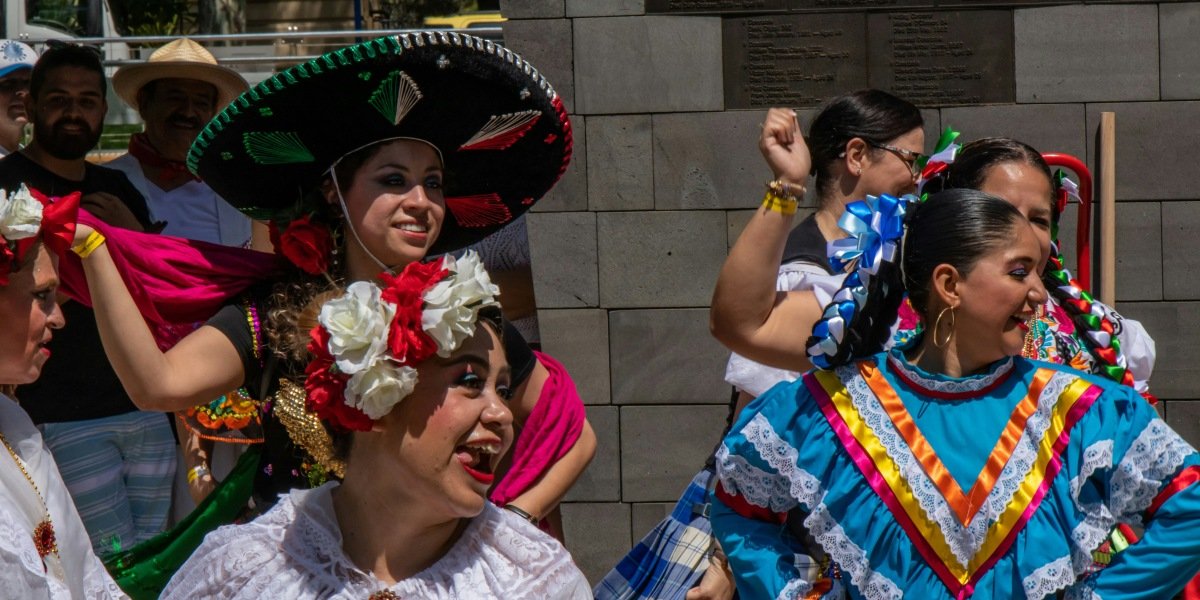
City governments and nonprofit groups play a central role in organizing Fiestas Patrias events. In Los Angeles, the city council partnered with cultural centers to host a multi-day festival in Grand Park. In Fresno, local schools and advocacy groups coordinated a parade and resource fair.
These efforts reflect a broader commitment to inclusion. By supporting cultural events, municipalities aim to strengthen civic engagement and build trust with diverse communities.
Public safety teams, transit agencies, and sanitation departments also contribute. Their involvement helps ensure that events remain accessible and welcoming.
Some cities use the celebrations to highlight public services. Booths offering voter registration, health screenings, and educational materials are often part of the festivities.
This approach blends celebration with outreach. It allows residents to enjoy cultural programming while learning about local resources.
The events also provide opportunities for small businesses. Food vendors, artisans, and performers often rely on Fiestas Patrias for seasonal income and exposure.
Cultural Significance and Generational Connection
Fiestas Patrias carry meaning across generations. For older residents, the events may evoke memories of family traditions or past celebrations in Mexico. For younger attendees, they offer a chance to learn about heritage in a public and joyful setting.
Schools often incorporate the holiday into lesson plans. Students may study the history of Mexican independence, create art projects, or perform in community showcases.
This educational component helps bridge cultural gaps. It encourages understanding and appreciation among students from different backgrounds.
The events also reflect how traditions adapt over time. While some elements remain consistent—such as the Grito de Dolores reenactment—others evolve to reflect current interests.
Modern Fiestas Patrias may include digital art installations, bilingual poetry readings, or fusion cuisine. These additions show how cultural identity remains dynamic and responsive.
The celebrations also support emotional connection. They offer a space for pride, remembrance, and shared experience, especially for those who feel distant from their roots.
Fiestas Patrias contribute to California’s broader cultural identity. They reinforce the idea that heritage is part of public life, not just private memory.
By hosting these events in civic spaces, cities affirm that cultural expression belongs in the public square. This visibility supports inclusion and helps shape how communities see themselves.
The celebrations also influence policy. As cultural events gain recognition, they may inform decisions about funding, education, and public programming.
Statewide participation in Fiestas Patrias reflects a growing awareness of Latin American contributions to California’s development. It encourages reflection on shared history and future collaboration.
For many residents, the events offer more than entertainment. They provide a sense of belonging and continuity, linking past and present through music, movement, and meaning.
As California continues to grow and change, Fiestas Patrias remain a steady reminder of the values that connect its communities—heritage, pride, and public celebration.
Internal Links Used
The Influence of Mexican and Spanish Culture on California
https://cagazette.com/the-influence-of-mexican-and-spanish-culture-on-california/