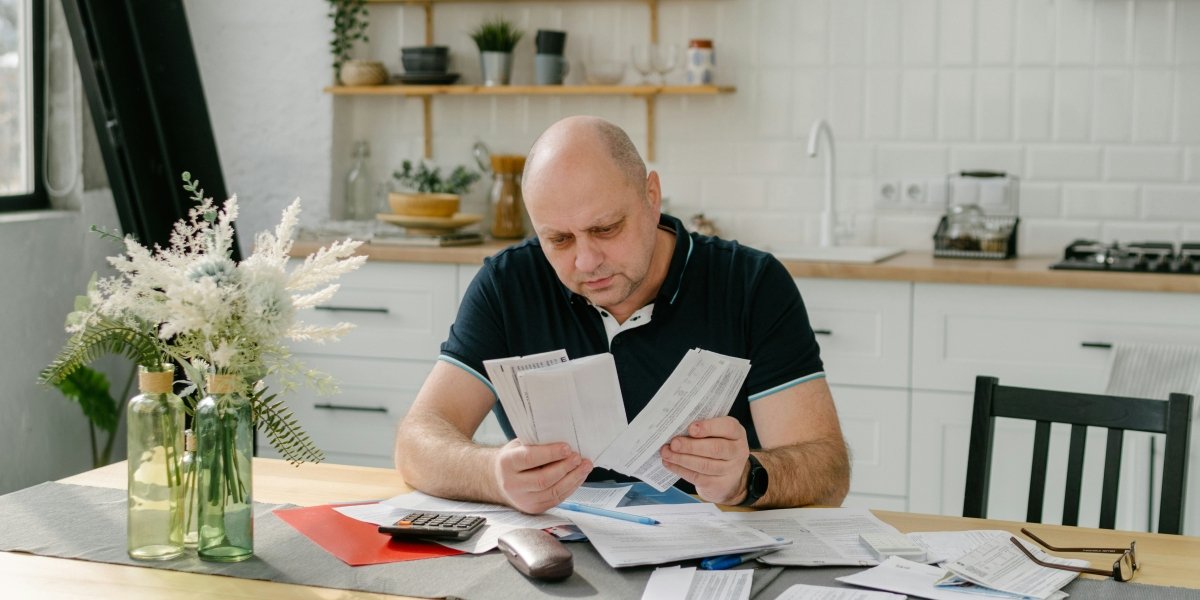

Energy costs have become a central part of the economic debate in California. As electricity and fuel prices continue to rise, residents and business owners are asking how the state can maintain its climate goals without making life too expensive. This issue is now a top priority for lawmakers as they try to protect the “California Dream” while leading the world in environmental policy.
Why Energy Prices Are Rising
There are several reasons why energy in California is more expensive than in most other states. One major factor is the cost of protecting the power grid from wildfires. Utility companies have spent billions of dollars moving power lines underground and clearing trees to prevent fires. These costs are often passed down to customers through higher monthly bills.
Another growing concern is the rise of the artificial intelligence (AI) industry. New data centers require a massive amount of electricity to run. Pedro Nava, the chair of the Little Hoover Commission, recently spoke about this challenge:
“The costs that data centers impose on the electrical grid should be paid by the centers themselves, not by average California families already struggling with high utility bills.”
The Public View on Climate and Cost
Most people in California support the state’s transition to clean energy. However, they are also worried about their bank accounts. A recent study found that 85% of Californians prioritize energy affordability just as much as environmental goals. This shows that while people want a green future, they do not want to sacrifice their ability to pay for housing or food.
Many residents feel that the current system places too much pressure on middle-class families. In response, some local agencies are trying to find ways to lower costs. Robert Shaw, the CEO of Central Coast Community Energy, explained their approach during a recent rate reduction:
“3CE’s rates reflect the cost of serving our customers and nothing more. Since we began service in 2018, the agency has held true to its promise of fair and stable electricity rates.”
Impact on California Businesses
High energy costs are not just a problem for households. They also affect the state’s economy by placing pressure on businesses. When it becomes too expensive to run a factory or a store, some owners choose to move their operations to states with lower energy prices, such as Arizona or Texas.
To stay competitive, many California companies are investing in energy efficiency. This means using technology that helps them get the same results while using less power. Andrew McAllister, a commissioner for the California Energy Commission, highlighted the importance of this strategy:
“Energy efficiency is the quiet workhorse of the clean energy transition. Efficiency reduces Californians’ bills, improves their health and comfort, and reduces strain on the electricity grid.”
Common Strategies for Businesses:
-
Installing Solar Panels: Generating power on-site can help companies avoid high delivery fees from utility providers.
-
Energy Audits: Experts look at a building’s power use to find ways to stop wasting electricity.
-
Upgrading Appliances: Moving to newer, more efficient machines can save thousands of dollars over time.
Balancing Growth and Green Goals
The debate in California is often framed as a choice between the environment and the economy. However, many experts believe the state can do both if it manages the transition carefully.
The state government has introduced programs like the California Climate Credit. This is a rebate that appears on electricity and gas bills twice a year. It gives residents a share of the money collected from companies that pay for their carbon emissions. While this helps, many argue that more permanent changes are needed to keep prices stable.
Lawmakers are currently looking at a “dual mandate.” This means they want to treat climate leadership and economic opportunity as equal goals. To achieve this, the state may need to:
-
Simplify Permitting: Making it faster and cheaper to build new clean energy projects.
-
Improve Infrastructure: Updating the grid so it can handle more power from wind and solar without breaking.
-
Protect Low-Income Families: Ensuring that the transition to electric cars and homes does not leave behind those who cannot afford the upfront costs.
Looking Ahead to the Future
California remains a leader in technology and environmental protection. However, the success of its climate policies will depend on whether the average person can still afford to live in the state. If energy costs continue to rise faster than wages, the economic debate will likely become even more intense.
By focusing on efficiency, holding large energy users accountable, and providing direct relief to families, California hopes to create a model for the rest of the world. The goal is a future where the air is clean, the grid is reliable, and energy is affordable for everyone.