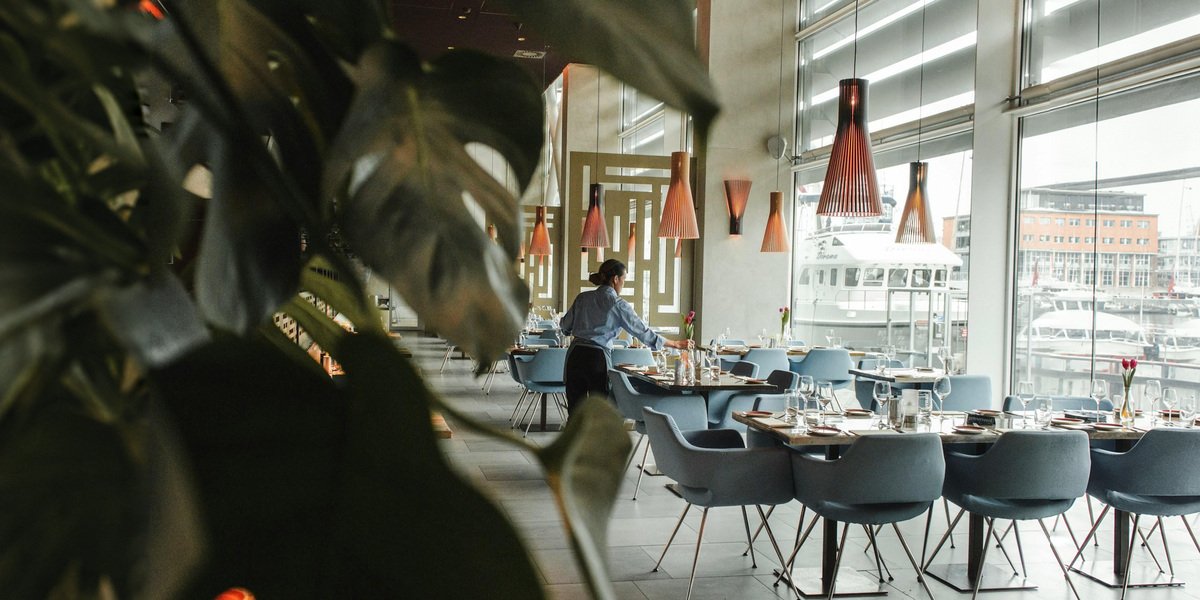
Architecture does more than shape skylines—it shapes human experience. The environments in which we live, work, and gather influence our mood, stress levels, productivity, and even long-term physical health. As the boundaries between residential, professional, and social spaces continue to blur, wellness has emerged not as a design trend but as a fundamental architectural responsibility.
Today, forward-thinking firms such as Netta Architects recognize that wellness-centered design requires more than aesthetic appeal. It demands scientific awareness, spatial intelligence, and a deep understanding of how built environments directly affect the body and mind.
The Psychological Power of Space
The relationship between architecture and mental health is both subtle and profound. Proportion, ceiling height, material texture, and circulation flow all influence psychological response. Cramped, poorly lit environments elevate stress and fatigue. Conversely, spaces that feel open, coherent, and naturally illuminated foster calm and clarity.
Spatial hierarchy is particularly influential. When occupants can intuitively understand how to move through a building—where public zones transition into private ones, where light leads the eye—an environment feels supportive rather than disorienting. Good design reduces cognitive load. It makes navigation effortless.
Even micro-decisions matter. Views of greenery lower cortisol levels. Access to daylight regulates circadian rhythms. Quiet zones within busy buildings offer refuge and restoration. Architecture, in this sense, becomes preventative care.
Light, Air, and the Fundamentals of Health
Natural light is among the most powerful tools in wellness-oriented design. Exposure to daylight improves sleep cycles, increases productivity, and supports emotional well-being. Strategic building orientation, window placement, and light wells can dramatically enhance interior quality without increasing footprint.
Equally critical is ventilation. Post-pandemic awareness has sharpened attention on indoor air quality, but healthy airflow has always been essential. Advanced HVAC systems, operable windows, and thoughtfully positioned openings reduce airborne contaminants while maintaining thermal comfort.
Wellness design begins with these fundamentals—light and air—before aesthetic expression ever enters the conversation.
Materiality and Sensory Experience
Materials communicate on both conscious and subconscious levels. Natural materials such as wood, stone, and textured finishes introduce warmth and tactile engagement. Their visual depth softens environments that might otherwise feel sterile or institutional.
In contrast, excessive glare, harsh lighting, and cold synthetic surfaces can heighten anxiety or fatigue. Designing for wellness means curating material palettes that feel grounded and human-scaled.
Acoustics also play a significant role. In multi-family residential, mixed-use, and workplace settings, sound control is essential to mental comfort. Strategic insulation, sound-absorbing materials, and thoughtful spatial zoning reduce auditory stress and enhance privacy.
Wellness is sensory. Architecture must respond accordingly.
Designing for Movement and Interaction
Health extends beyond the absence of illness. It includes physical activity, social connection, and a sense of belonging. Buildings that encourage movement—through visible staircases, inviting common areas, and walkable site planning—subtly promote healthier lifestyles.
In multi-family developments, shared amenity spaces can foster community while combating isolation. In workplace environments, collaborative zones balanced with private focus areas support both productivity and social engagement.
The most effective wellness-driven architecture does not force interaction—it creates opportunity. It invites connection while preserving autonomy.
Biophilic Integration
Biophilic design—the intentional integration of natural elements—has gained prominence for good reason. Humans are neurologically wired to respond positively to nature. Incorporating indoor greenery, landscaped courtyards, rooftop gardens, and framed outdoor views enhances emotional resilience and cognitive performance.
But authentic biophilic design goes beyond decorative plants. It considers seasonal light shifts, natural materials, and outdoor-indoor transitions as integral components of spatial planning. When nature is embedded within architecture rather than appended to it, wellness becomes experiential.
Flexibility as a Health Strategy
Modern lifestyles demand adaptability. Homes double as offices. Offices transform into collaborative hubs. Public spaces host hybrid events. Designing for wellness now requires flexibility—spaces that can shift function without compromising comfort.
Modular layouts, movable partitions, and multi-purpose amenity areas allow environments to evolve with occupants’ needs. This adaptability reduces stress by providing control. When users can modify their surroundings, they experience greater psychological ease.
Wellness is not static. Architecture should not be either.
The Long-Term Value of Wellness-Centered Design
From a development perspective, wellness is no longer optional. Occupants are increasingly selective about where they live and work. Access to daylight, outdoor space, and thoughtful design influences leasing velocity, tenant retention, and property value.
Municipalities, too, are prioritizing healthier urban environments—walkable neighborhoods, mixed-use planning, and sustainable infrastructure. Wellness-centered architecture aligns with broader civic goals, making projects more resilient both socially and economically.
Design that supports well-being ultimately supports longevity—of buildings, communities, and investments.
Architecture as Silent Influence
Architecture rarely announces its influence. It operates quietly, shaping habits, mood, and interaction without overt instruction. Yet its impact is constant.
Designing for wellness means recognizing that every corridor, courtyard, and window placement contributes to human experience. It means acknowledging that buildings can either deplete or replenish the people within them.
As urban environments grow denser and daily life accelerates, architecture must serve as a stabilizer and a sanctuary. It must provide clarity amid complexity and comfort amid motion.
The future of design will be measured not solely by visual distinction, but by how effectively it supports the people who inhabit it. When architecture prioritizes mental and physical health, it transcends aesthetics. It becomes infrastructure for well-being—an invisible yet powerful force shaping healthier communities for generations to come.
Disclaimer: This article provides general information and does not constitute medical or health advice. Results may vary based on individual circumstances and environment. For personalized advice, consult a healthcare professional.