
Route 66 turns 100 in 2026, and no state carries the weight of that milestone quite like California. The highway that once stitched rural America to the Pacific Coast, carried Dust Bowl families westward, and gave the postwar generation its clearest picture of freedom on asphalt now enters its centennial year with a full calendar of events, active preservation projects, and a renewed conversation about what the road represents — and who it left behind.
A Century in the Making
Route 66 first opened on November 11, 1926, connecting eight states and stretching from Chicago to Santa Monica, with only about a third of its 2,400 miles paved. The rest was dirt, gravel, or wooden planks. Over the following decades, the highway became the physical backbone of westward migration, wartime logistics, and postwar leisure travel. John Steinbeck named it the “Mother Road” in The Grapes of Wrath. Bobby Troup wrote the song that made it a cultural shorthand for the open road. By the time interstate highways bypassed it in the 1960s through 1980s, Route 66 had already embedded itself in the American imagination well beyond its function as asphalt.
The road was officially decommissioned in 1985, but tourism and preservation efforts revived it as one of the world’s most recognized road trip routes. Roughly 85 percent of the original alignment remains drivable today.
California’s 315-Mile Stretch
California holds the final and, for many travelers, the most cinematic leg of the journey. The Golden State’s 315-mile stretch enters at Needles on the Arizona border, winds west through the Mojave Desert, reaches San Bernardino — the unofficial gateway to Southern California — and concludes at the “End of the Trail” sign at the Santa Monica Pier.
The Mojave corridor is drawing particular attention this centennial year. Roy’s Motel and Café in Amboy, a standout example of midcentury Googie architecture, hosted its first-ever centennial car show on March 7, 2026, featuring classic vehicles, live music, a pin-up contest, outdoor movies, and camping under the Mojave sky. The landmark is also being expanded with a newly restored motel and café.
In Pasadena, Route 66 runs along Colorado Boulevard — the same corridor that hosts the Rose Parade — and the city is marking the centennial with street art, community events, and a Route 66-themed edition of its annual chalk festival. Santa Monica, the official western terminus, is hosting a 2026 Route 66 Centennial Song Contest with a $10,000 grand prize, and the city’s visitor center offers a Route 66 Certificate of Completion and a three-day itinerary for road-trippers arriving at the pier.
The Centennial Calendar

While Route 66 officially turns 100 on November 11, 2026, the national festivities begin on April 30 — 100 years after the road received its numerical designation. California’s peak celebration window runs from April through June, with events anchored in San Bernardino, Amboy, Newberry Springs, Pasadena, and Santa Monica.
Centennial celebrations launched in January at Santa Monica Pier with The Drive Home VII caravan — nine vintage vehicles departing from the “End of the Trail” sign and crossing the country to Chicago before going on display at the Detroit Auto Show. A second caravan is planned for June, in which representatives from all 50 states will drive from Santa Monica to Chicago as part of the official Main Street of America Route 66 Centennial Caravan.
A History That Goes Beyond the Postcard
The centennial has also opened space for a more complete accounting of Route 66’s history — one that includes the communities the highway bypassed, displaced, or excluded.
For Black Americans, the highway carried a complicated history. It was a means of escape during the Jim Crow era, but it was also dotted with sundown towns — places where Black travelers were unwelcome after dark. Community members have shared accounts of the lengths their families went to in order to stay safe on a road that promised freedom but did not always deliver it.
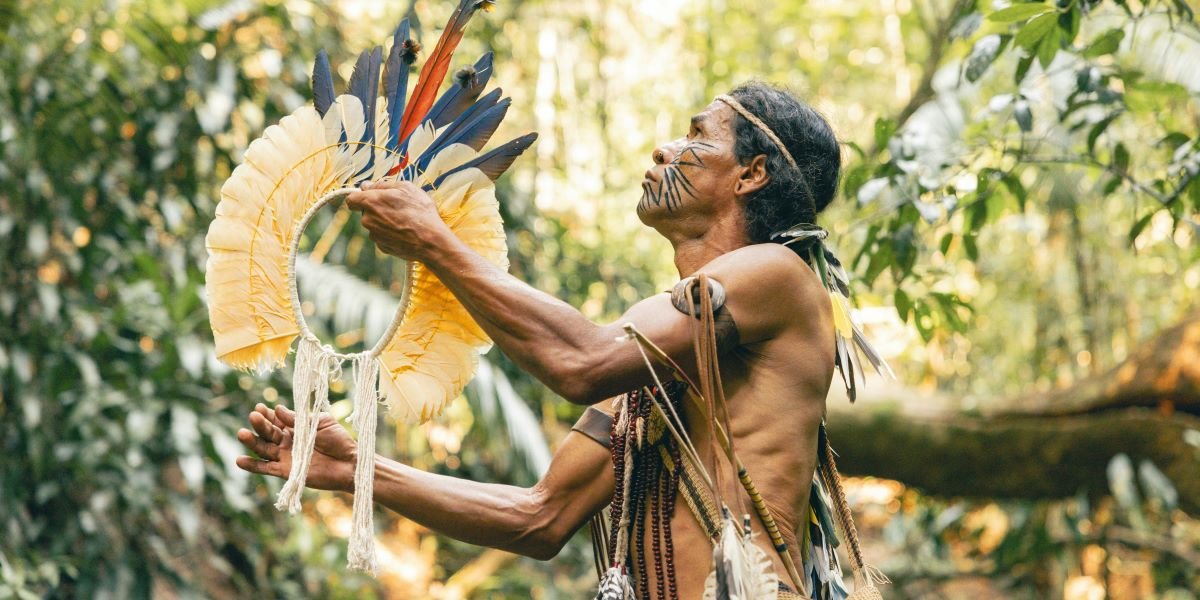
In California’s Victor Valley, Indigenous land and labor laid the foundation for what became Route 66 long before the highway was commissioned. The corridor through the High Desert followed Serrano, Mojave, and Chemehuevi trade routes that had existed for centuries — including the Mojave Trail, which linked the Colorado River to the Cajon Pass and shaped the travel patterns that railroads and highways later adopted. According to the National Park Service, there is no evidence of negotiated land agreements with local tribes during Route 66 construction in that region.
What 2026 Represents
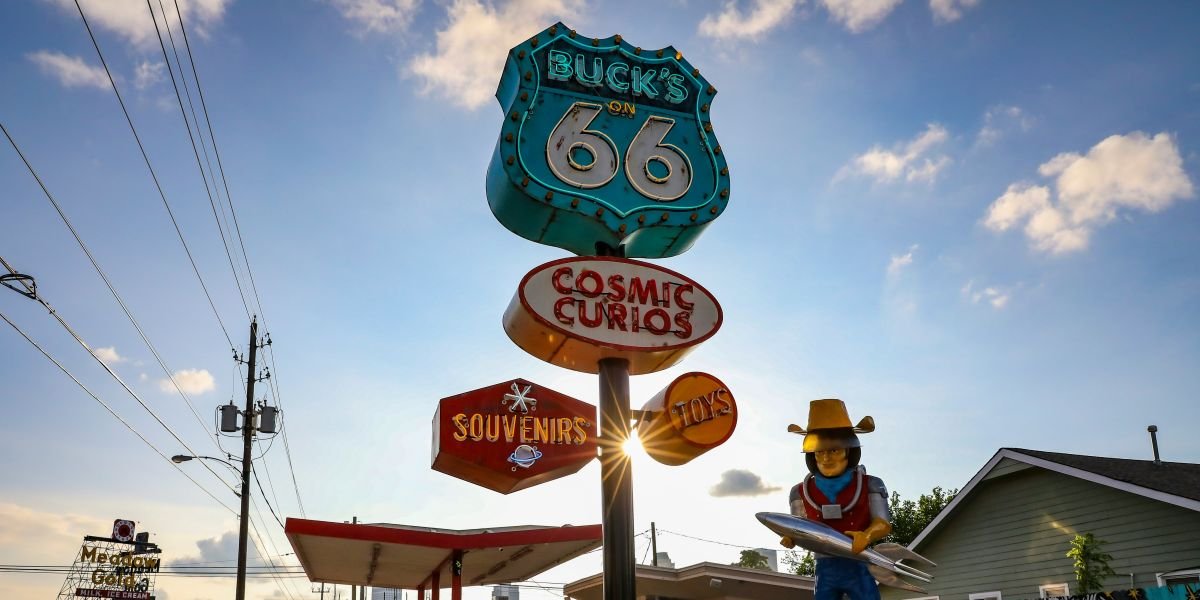
The centennial is not purely commemorative. Federal coordination and local restoration efforts are using the anniversary to revive small-town economies along the route, with preservation grants and development funding directed at restoring neon signs, service stations, motels, and other roadside landmarks that defined the highway’s midcentury identity.
California, as the state that holds the road’s western terminus, is positioned to capture a meaningful share of the global tourism interest building around the centennial. The Santa Monica Pier has always marked the end of the trail. In 2026, for road-trippers arriving from eight states across 2,400 miles, it also marks the beginning of something worth remembering.