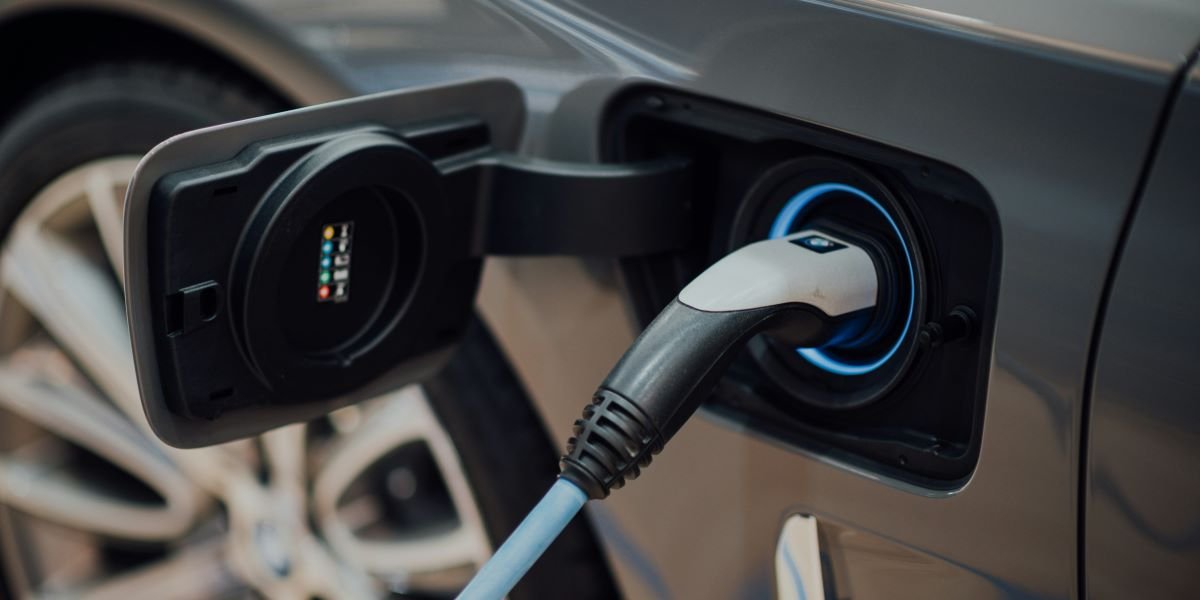

California is stacking two clean-transportation levers at once. As the state moves to put more electric cars and trucks on its roads, it is also spending to make sure drivers can charge them, and the latest commitment puts public fast charging at the center of that strategy.
The California Energy Commission has allocated $55.2 million through the California Electric Vehicle Infrastructure Project, known as CALeVIP, to accelerate installation of public direct-current fast chargers. The money flows through the program’s Fast Charge California Project and arrives as the state prepares a separate, larger push to electrify the commercial trucks that move freight through its ports and inland corridors.
Two Funding Windows, Up to $100,000 a Port
The new allocation opens in two phases. The first window runs October 7, 2026 through January 14, 2027 and covers up to 100% of eligible installation costs, capped at $100,000 per charging port. The second, from February 24 to May 27, 2027, again covers up to 100% of eligible costs but caps incentives at $55,000 per port and requires a minimum output of 150 kilowatts regardless of power level, a threshold aimed at faster, higher-capacity stations.
The structure builds on the project’s earlier round, which the commission says has awarded $54 million for more than 1,200 ready-to-build fast-charging ports across 35 counties, with over 60% of those chargers located in underserved communities. Statewide, CALeVIP has supported more than 10,500 charger installations to date, serving a registered fleet of over 2.2 million electric vehicles.
Spencer Reeder, who directs the commission’s Fuels and Transportation Division, said the program has been “pivotal in bringing chargers to communities and travel corridors that need them most.” The emphasis on corridors and lower-income areas is deliberate: charger gaps in those places are a documented brake on adoption, and concentrating public dollars there is meant to address the parts of the market private operators have been slower to serve.
A $250 Million Bet on Electric Trucks

The charger funding lands alongside a heavier-duty effort. Earlier in May, Governor Gavin Newsom announced the California Clean Fuel Reward program, a rebate scheme expected to deliver more than $1 billion through 2030. It offers point-of-sale discounts ranging from $7,500 to $120,000 on new medium- and heavy-duty commercial electric vehicles, with an initial $250 million available beginning June 26.
The program is funded through California’s Low Carbon Fuel Standard and is positioned to become the largest utility-administered rebate scheme for electric trucks in the country. The targeting matters as much as the dollar figure. Freight is where diesel emissions and community health burdens concentrate most heavily, particularly along the goods-movement routes of the Inland Empire and the corridors feeding the state’s ports. Pairing truck purchase incentives with car-focused charger funding signals that California is trying to move the passenger and commercial sides of the transition in tandem rather than sequentially.
Private Capital Is Following the Policy
State money is increasingly drawing matching activity from operators, and the financing models are evolving with it. As reported, charging firm MN8 reached a tolling arrangement with San Jose Clean Energy in May to deploy 40 fast-charging ports across five city-owned sites, with MN8 funding, building, and operating the ports while the public agency keeps control of branding and retail pricing. The structure borrows from how California utilities procure power assets, shifting ownership risk away from the city. Construction is set to begin in late 2026, with stations expected online in early 2027.
On the freight side, EV Realty brought a 9-megawatt truck charging hub online in San Bernardino in April, a 76-port facility capable of serving more than 200 medium- and heavy-duty trucks a day and supporting both today’s CCS connectors and next-generation megawatt charging for large rigs. Together, the deals show a market beginning to organize around the same corridors and communities the state is subsidizing.
What It Means for California’s Targets
The throughline is infrastructure keeping pace with mandates. California has set aggressive clean-transportation goals, and the practical constraint has shifted from vehicle availability toward whether drivers and fleets can reliably charge. By funneling incentives toward fast chargers in underserved areas and freight rebates toward commercial operators, the state is trying to close the gap between policy ambition and on-the-ground capacity.
The timing also carries fiscal weight. With Sacramento bracing for federal funding cuts and revenue volatility, programs financed through the Low Carbon Fuel Standard and ratepayer-backed mechanisms let the state keep building without leaning on the general fund. For California’s transportation and logistics industries, the message is that the charging buildout, and the money behind it, is moving from pilot phase to standing infrastructure.