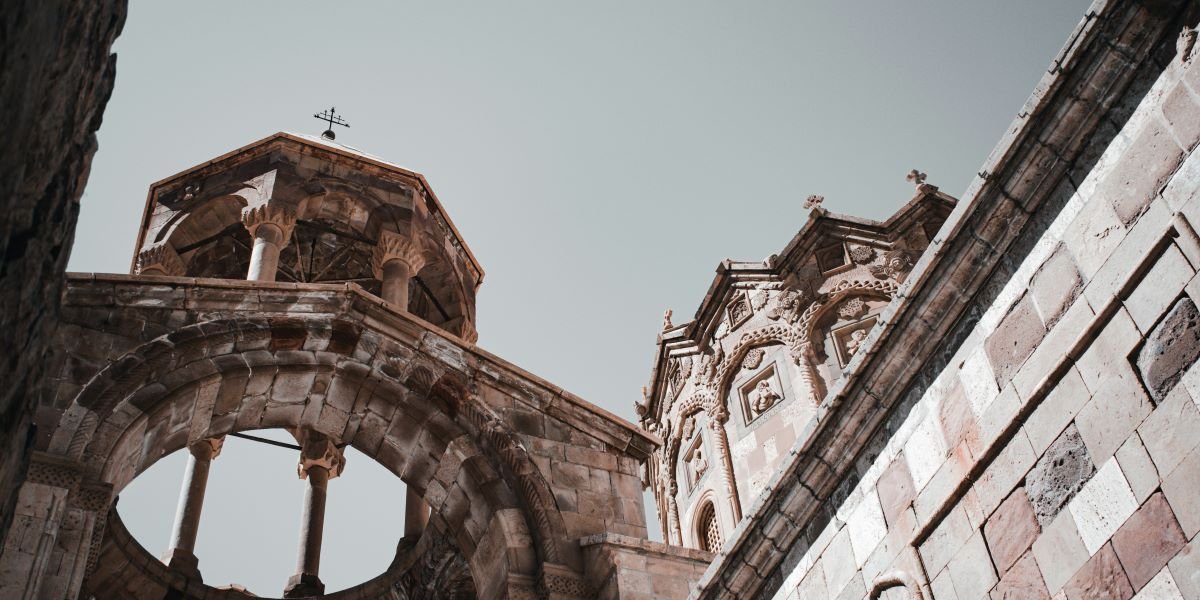

Spain established 21 missions along the California coast between 1769 and 1823, creating a colonial network that reshaped indigenous populations, land use, and settlement patterns across what is now the state. The mission system, administered by Franciscan friars and backed by Spanish military force, brought roughly 130,000 Native Californians into direct contact with European diseases, forced labor, religious conversion, and cultural displacement over a period of more than six decades. The consequences of that system continue to shape California’s physical landscape, public memory, and ongoing conversations about how the state tells its own history.
Key Takeaways
- Franciscan friars established 21 missions along the Pacific coast from San Diego to Sonoma between 1769 and 1823, spanning roughly 600 miles
- An estimated 100,000 Native Californians died as a direct consequence of the mission system, with disease accounting for roughly 60 percent of those deaths
- The indigenous population in the coastal mission zone declined by approximately 74 percent between 1770 and 1830
- The Mexican Secularization Act of 1833 transferred mission lands from the Franciscan order to civil authorities, but few Native Californians received the land promised to them under the decree
- Seventeen of the 21 missions are listed on the National Register of Historic Places, with nine also designated as National Historic Landmarks
- The California Office of Historic Preservation has initiated a statewide project to document Native American experiences within and outside the mission system
How Did Spain’s Mission Chain Come Into Existence?
Spain claimed California as territory in 1542 but made no sustained effort to colonize the Pacific coast until the late 18th century. In 1769, the Spanish king ordered land and sea expeditions to depart from Mexico into what was then Alta California, sending military troops and Franciscan missionaries to establish a permanent colonial presence before rival European powers could gain a foothold.
Father Junípero Serra founded the first mission, Mission San Diego de Alcalá, in 1769. During his lifetime, Serra established nine missions before his death in 1784 at Mission San Carlos Borromeo de Carmelo in present day Carmel. Father Fermín Francisco de Lasuén, who succeeded Serra as Father President of the missions, continued the expansion and oversaw the founding of additional settlements. The chain eventually stretched roughly 600 miles along El Camino Real, the colonial road connecting the missions from San Diego in the south to Mission San Francisco Solano in Sonoma, the final mission in the chain and the only one established under Mexican rule in 1823.
The missions operated alongside four military presidios at San Diego, Santa Barbara, Monterey, and San Francisco. Franciscan friars generally sited the missions near existing Native American communities to maximize access to indigenous labor and potential converts, a pattern the California Office of Historic Preservation has documented as part of a statewide effort to reframe how the mission period is historically represented.
What Happened to Indigenous Communities Under the Mission System?
At the time of Spanish arrival, an estimated 130,000 Native Americans lived in the coastal zone of California where the missions were established. These communities sustained themselves through fishing, hunting, gathering, and trade networks that had remained largely unchanged for thousands of years. The mission system disrupted all of those practices.
Indigenous people who entered the missions were instructed in Catholic doctrine and assigned to agricultural, domestic, and construction labor that supported the settlements. The work included farming, livestock care, and building maintenance. Once baptized, indigenous residents were not permitted to leave the mission without permission, and those who attempted to flee were pursued and returned by soldiers. The 1824 Chumash Revolt, which spread across Mission Santa Inés, La Purísima, and Santa Barbara, stands as one of the most documented acts of organized indigenous resistance during the mission period.
The demographic consequences were devastating. The California Native American Heritage Commission has documented that approximately 100,000 Native Californians, nearly a third of the pre contact aboriginal population, died as a direct consequence of the mission system. Pioneering demographer Sherburne F. Cook concluded that roughly 60 percent of that population decline resulted from introduced diseases, including smallpox, measles, pneumonia, and tuberculosis. The remaining deaths were attributed to forced labor conditions, malnutrition, and violence. By 1830, only an estimated 17,000 indigenous people remained in the coastal mission zone, representing a decline of approximately 74 percent from the 1770 population.
What Did Secularization Mean for Mission Lands and Native Communities?
Mexico won independence from Spain in 1821, and by 1833, the Mexican Congress passed the Decree for the Secularization of the Missions of the Californias. The act transferred mission lands from Franciscan control to civil authorities and, on paper, promised to distribute land to the indigenous communities that had labored on the properties. Under California’s 1834 regulations implementing secularization, each Native American family head or adult over 20 years old was entitled to receive up to 28 acres and a proportional share of mission livestock and equipment.
In practice, those promises went largely unfulfilled. The rich agricultural lands were sold or given away as large grants called ranchos, and very few Native Californians received the acreage the decree outlined. Many indigenous people who had spent decades within the mission system were left without land, without the traditional knowledge systems that had sustained their communities before colonization, and without meaningful legal standing to contest the redistribution. The result was that secularization, while ending the formal authority of the Franciscan friars, did not restore autonomy to the indigenous communities the missions had displaced.
Religious services at most mission sites ended, many priests left the province, and the buildings themselves were stripped of valuables and left to deteriorate. The majority of the mission structures were later returned to the Catholic Church, but the land that had surrounded them remained in private hands.
How Are the Missions Understood Today?
The California missions remain among the state’s most visited historical sites. Mission San Juan Capistrano alone welcomes more than 300,000 visitors annually. Seventeen of the 21 missions are listed on the National Register of Historic Places, and nine hold additional designation as National Historic Landmarks. Several missions continue to operate as active Catholic parishes, while others function as museums and cultural centers.
The way those sites tell their own stories has become a point of evolving public debate. The California Office of Historic Preservation has launched a statewide context study, developed in partnership with Native American scholars, tribal leaders, and cultural experts, to document indigenous experiences within and outside the mission system. The project acknowledges that earlier National Register designations, most of which date to the 1960s and 1970s, contain sparse documentation and do not adequately represent Native American perspectives.
The University of California has also partnered with indigenous scholars to develop what it describes as a critical reexamination of mission history. That effort centers on elevating tribal voices and challenging narratives that present indigenous participation in the mission system as voluntary or mutually beneficial. In 2017, California officially replaced Columbus Day with Indigenous Peoples Day, a shift that reflected broader public movement toward confronting the colonial dimensions of the state’s founding.
For the communities whose ancestors built, sustained, and suffered within the mission walls, the reckoning is not a historical exercise but a contemporary one, tied to questions of land, sovereignty, cultural preservation, and how the state chooses to remember the people who were here before the first mission bell was cast.
FAQs
How many missions did Spain establish in California and over what time period?
Spain established 21 missions along the California coast between 1769 and 1823, stretching roughly 600 miles from San Diego to Sonoma. Father Junípero Serra founded the first nine missions before his death in 1784, and subsequent Franciscan leaders continued the expansion through the early 19th century.
What caused the decline of Native Californian populations during the mission period?
Demographer Sherburne F. Cook concluded that approximately 60 percent of indigenous population decline during the mission era resulted from introduced diseases such as smallpox, measles, and tuberculosis. Forced labor, malnutrition, and violence accounted for the remaining losses. The California Native American Heritage Commission estimates that roughly 100,000 Native Californians died as a direct consequence of the mission system.
What happened to mission lands after secularization in 1833?
The Mexican Secularization Act of 1833 transferred mission properties from Franciscan control to civil authorities. Although the decree promised land distribution to indigenous communities, most of the agricultural land was sold or granted to Mexican settlers as ranchos. Very few Native Californians received the acreage the law had outlined for them.
Are the California missions still open to visitors today?
All 21 mission sites remain accessible in some form. Several continue to operate as active Catholic parishes, while others function as museums, state historic parks, or cultural centers. Seventeen of the 21 missions are listed on the National Register of Historic Places.
How is the historical interpretation of the missions changing?
The California Office of Historic Preservation has initiated a statewide context study to document Native American experiences during the mission period, developed in partnership with tribal leaders and indigenous scholars. The University of California has also launched collaborative projects aimed at centering tribal voices in the public narrative around the missions.
California’s 21 missions shaped the state’s geography, architecture, and cultural identity in ways that remain visible across every coastal county, but the system’s full legacy cannot be measured in preserved adobe and restored bell towers alone, because the communities that paid the highest price for its existence are still working to ensure their side of the story is told.