
California Gazette

How Immigration Shapes California’s Food Culture

How Immigration Shapes California's Food Culture
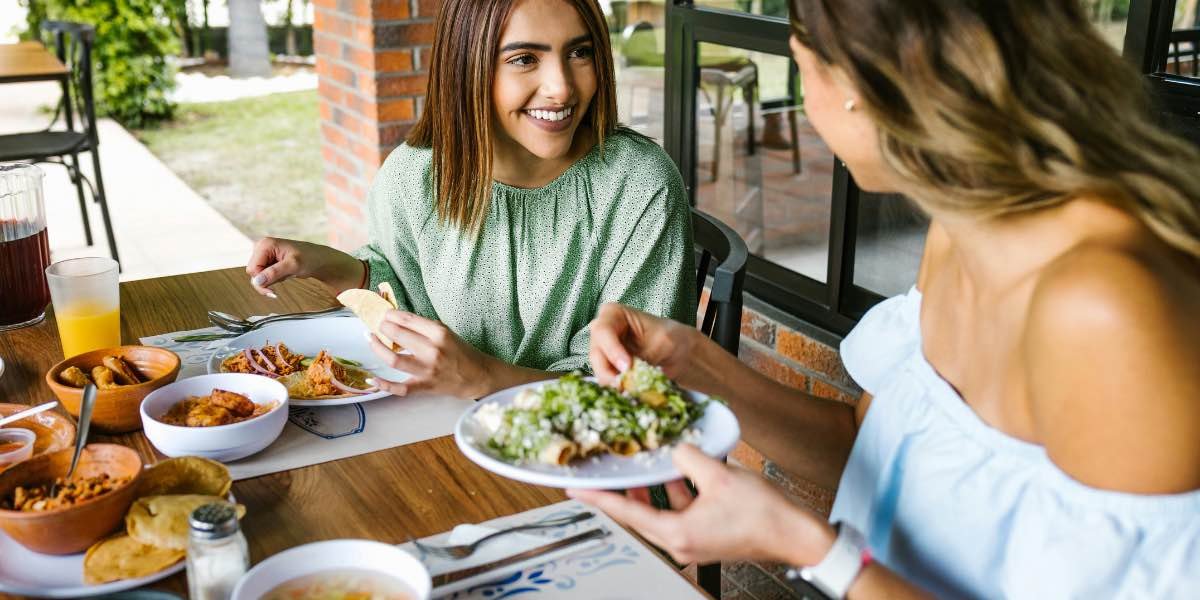
Photo Credit: Unsplash.com

California’s food culture is a vibrant, perpetually evolving mosaic—a direct reflection of the state’s dynamic immigration history. From the Gold Rush era to the contemporary globalized metropolis, successive generations of immigrants have brought their culinary traditions, farming knowledge, and entrepreneurial energy, forever changing what it means to eat—and to be—Californian. This report explores how historical migration patterns shaped the food identity of California, the regional and cultural nuances found in cities like Los Angeles, San Francisco, and San Diego, and the integration of Latin American, Asian, Middle Eastern, and European influences into mainstream cuisine, agriculture, and the restaurant industry.


Historical Migration Patterns: The Foundation of California’s Culinary Identity

Early Encounters and Indigenous Legacies

Before European colonization, the region’s Indigenous peoples had cultivated a sophisticated foodways system with acorn, seeds, fish, game, and native plants. The Spanish mission system and Mexican ranchero era introduced new crops and animal husbandry, laying the groundwork for the multicultural tapestry to follow.

The Gold Rush and Waves of Opportunity

The discovery of gold in 1848 ignited a global migration, bringing thousands from Latin America, Asia, and Europe. San Francisco’s population exploded almost overnight, and by 1850 the city boasted residents and cooks from Mexico, Chile, Peru, China, Italy, Germany, Ireland, and beyond. Many immigrants settled in key cities and agricultural regions, both out of opportunity and, later, necessity, as they faced prejudice and sometimes violent displacement.

Immigration in the Twentieth Century and Beyond

Immigration quotas and discriminatory laws limited growth for many groups from the late 19th to mid-20th centuries. However, the 1965 Immigration and Nationality Act spurred a new era, especially for immigrants from Asia, Latin America, and the Middle East. California became home to the most diverse mix of immigrants in the U.S., and by 2019, nearly 27% of its population was foreign-born, with Mexico, the Philippines, China, Vietnam, and India among the top countries of origin.


Latin American Immigration History and Contributions

Mexican Roots and the Evolution of “Cal-Mex” Cuisine

California’s profound connection with Mexico is more than historical; it is the backbone of the state’s identity and cuisine. After the U.S. annexed California from Mexico in 1848, successive waves of Mexican immigrants—often fleeing conflict or seeking opportunities—made their mark as farmworkers, cooks, small business owners, and eventually restaurateurs. By the early 20th century, Mexicans were the largest bloc of immigrants to California, forming urban barrios and rural colonias that fostered community, mutual aid, and culinary exchange.

The Bracero Program (1942–1964) brought millions of Mexican agricultural workers to California, cementing their role in the state’s vast farming sector and, by extension, its food identity. Today, Mexican Americans comprise about 26% of the state’s population and 84% of its Latin American residents.

Central Americans, Culinary Diversity, and Community-Building

From the 1950s onward, large numbers of Central Americans—particularly Salvadorans and Guatemalans—settled in California, adding dishes such as pupusas and tamales to the local food scene, especially in Los Angeles and the Bay Area. Their influence is particularly evident in diverse districts and food markets, creating regional specialties and blending their traditions with Mexican and American culinary practices.

Latin American Foodways in Major Cities

  • Los Angeles: Boasts a dense concentration of Mexican and Central American eateries ranging from street vendors to celebrated restaurants. The creation of Cal-Mex cuisine, with its “combo plates,” reflects both adaptation and commodification of Mexican traditions.
  • San Francisco: The Mission District showcases a spectrum from Oaxacan tlayudas to Salvadoran pupusas. The area’s vibrant markets and panaderías (bakeries) mirror the deep integration of Latin American food culture.
  • San Diego: Renowned for its cross-border, “Baja-Med” culinary scene that creatively blends Mexican, Mediterranean, and Californian influences. Fish tacos and carne asada fries epitomize the region’s culinary innovation.

Table: Examples of Latin American Culinary Contributions by Region

City/RegionNotable Latin American Contributions
Los AngelesStreet tacos, tamales, mole, Nayarit seafood
San Francisco (Mission)Mission-style burritos, pupusas, panaderías, Oaxacan food
San DiegoFish tacos, Cali-Baja cuisine, carne asada fries

The proliferation and adaptation of Latin American foods in California serve as both identity markers and bridges across cultures, shaping celebrations, daily meals, and even the restaurant industry at large.


Asian Immigration History and Its Multifaceted Impacts

Early Settlements: Chinese, Japanese, and Filipino Communities

Chinese immigrants first arrived during the Gold Rush, creating vibrant Chinatowns in San Francisco and Los Angeles by the 1870s. These communities not only introduced ingredients and dishes but also played a crucial role in agriculture—constructing levees in the Sacramento Delta, pioneering fisheries, and founding the state’s first Chinese-run restaurants and laundries.

Japanese immigrants followed in the late 19th and early 20th centuries, profoundly shaping California agriculture. They introduced labor-intensive crops such as strawberries, rice, and cut flowers, established Nihonmachi (Japantowns), and developed small, family-run businesses and restaurants.

Filipinos joined the agricultural workforce in the early 20th century, becoming an integral part of California’s farm labor movements, while later waves of Koreans, South Asians, and Southeast Asians diversified the Asian foodways in the state.

Post-1965 Arrivals: New Influences, New Flavors

The 1965 Immigration and Nationality Act opened the doors for significant numbers of immigrants from China, Vietnam, the Philippines, Korea, India, and beyond. Vietnamese enclaves like Orange County’s Little Saigon, the rise of Korean BBQ in Los Angeles, and the spread of sushi and boba tea from Japanese and Taiwanese immigrants illustrate the growing complexity and mainstreaming of Asian cuisines.

  • Los Angeles: Chinese and Vietnamese cuisines thrive in Chinatown and the San Gabriel Valley, while Koreatown has become renowned for both traditional and fusion dishes (e.g., Kogi BBQ taco trucks).
  • San Francisco: Chinatown retains deep historic roots in Cantonese cuisine, while Japantown is a center for Japanese American food innovation and Vietnamese, Thai, and South Asian cuisines flourish citywide.
  • San Diego: The Convoy District is known as a pan-Asian food capital, offering everything from Cantonese dim sum and Vietnamese pho to Korean barbecue and Japanese ramen, highlighting the pan-Asian fusion characteristic of the region.

Table: Major Asian Regional Contributions

City/RegionAsian Immigrant Group(s)Notable Culinary Contributions
Los AngelesChinese, Japanese, Korean, FilipinoDim sum, sushi, Korean BBQ, boba, Chinese-American**
San FranciscoCantonese, Japanese, VietnameseDim sum, sushi, banh mi, ramen, Thai, Filipino
San DiegoPan-Asian (Chinese, Korean, Japanese, Filipino, Thai)Dim sum, ramen, sushi, Asian fusion

Asian restaurateurs and chefs not only sustained their communities but also helped normalize dining out, introduced new ingredients, influenced fine dining, and birthed fusion dishes that have become iconic within California—and beyond.


Middle Eastern Immigration and Rising Culinary Influence

Historical Context and Waves of Immigration

Middle Eastern immigration to California encompasses a diverse spectrum—Syrian, Lebanese, Armenian, Egyptian, Iranian, and Palestinian communities among them. The first significant arrivals came in the late 19th century from the Ottoman Empire (mainly present-day Syria and Lebanon), followed by later waves fleeing conflict or seeking opportunity, especially after the 1965 Immigration Act and during the Lebanese Civil War, Iranian Revolution, and more recent regional turmoil.

Culinary Impact, Urban Centers, and Community Formation

  • Los Angeles as a Hub: Over the last century, Los Angeles has become home to large Middle Eastern communities, with Lebanese, Syrian, Armenian, Iranian (Persian), and Egyptian populations concentrated in the city and its suburbs. Culinary offerings range from family-run falafel shops, Persian kebab houses, and Syrian bakeries to modern Middle Eastern fine dining. Notably, neighborhoods like Glendale and Westwood (“Tehrangeles”) have become centers of Middle Eastern culture and cuisine.
  • Signature Foods and Techniques: Classics such as shawarma, kebabs, pita, hummus, falafel, tahini-based sauces, kibbeh, and baklava, alongside pickles and olives as essential condiments, have found a permanent home in California’s food culture. Many restaurants blend regional traditions—Syrian, Lebanese, Iranian, Armenian—reflecting the diversity within Middle Eastern cuisine.

In recent decades, chefs have pushed Middle Eastern cuisine into the culinary mainstream. Upscale restaurants like Bavel in Los Angeles and the proliferation of Persian, Armenian, and Israeli-inspired establishments in major cities demonstrate both a respect for tradition and a penchant for innovation.


European Immigration: The Enduring Legacy

Italian, French, and Other European Contributions

Italian immigrants, both from Genoa (northern Italy) and Sicily (south), had a profound influence in San Francisco, Monterey, and Los Angeles—particularly in the creation of Fisherman’s Wharf, the sourdough tradition, the wine industry, and the birth of Italian-American dishes such as cioppino (seafood stew), Crab Louie, fresh pasta, and pizza.

French and Portuguese settlers contributed to early restaurants, bakeries, and fisheries; Greeks to seafood and diner culture. In the Central Valley and the coast, Basque and Armenian immigrants became renowned for unique restaurants and family-style establishments, especially in smaller towns.

Table: European Culinary Highlights

Region/CityEuropean GroupSignature Food/Cultural Contribution
San FranciscoItaliansCioppino, seafood, sourdough, North Beach cafes
Los AngelesItalians, FrenchWineries, pasta, pizza, bakeries, French dip
Central ValleyBasque, ArmenianFamily-style restaurants, lamb, stews, wine

European immigrants also contributed to California’s agricultural diversification, vineyard proliferation, and the definition of artisan bread and cheese—elevating California into a culinary powerhouse.


The Role of Immigrants in California Agriculture

Early Foundations and Changing Labor Patterns

From the late 19th century into the 20th, successive groups—Chinese, Japanese, South Asian, Filipino, Mexican, and later Southeast Asian and Central American—formed the backbone of California’s farm labor force. They worked in hostile environments, often facing legal and social barriers, but their impact can be traced in the state’s vast agricultural landscape and successful export economy.

Chinese and Japanese laborers were instrumental in draining marshlands, building levees, and establishing large-scale fruit and vegetable operations. Japanese farmers innovated in rice cultivation and dominated strawberry production in Southern California. Mexicans and Central Americans, through programs like Bracero, shaped the seasonal cycle of California agriculture.

Sustainable Methods and Farm-to-Table Movement

Many immigrant groups brought sustainable, small-scale, and organic farming methods from their homelands. Their knowledge became invaluable as the state began to embrace organic and local food trends in the late 20th and early 21st centuries.

The presence of immigrant farmworkers and their families ensured the availability of a staggering variety of fresh ingredients, which, in turn, powered California’s farm-to-table movement. Chefs and restaurateurs capitalized on local produce, developing menus guided by seasonality and sustainability and elevating the state’s culinary reputation.


Immigrant-Driven Innovations in California’s Restaurant Industry

From Informal Community Hubs to Culinary Pioneers

Early immigrant entrepreneurs opened restaurants to serve their communities and provide employment. Chinese, Italian, and Mexican restaurateurs pioneered new forms of dining, from communal banquet halls and “chop suey” houses to casual taquerias and pizza parlors. As immigration patterns shifted and communities grew, immigrant-owned restaurants became not only urban anchors but also engines of culinary innovation—introducing concepts like dim sum, sushi bars, Korean BBQ, and fusion food to the wider public.

The Rise of “Fusion” and Mainstream Adoption

Nowhere is the blending of food traditions more visible than in California’s embrace of fusion cuisine. Chefs such as Wolfgang Puck (who created Chinese chicken salad and “California-style” pizza) personify this movement. Fusion can be as simple as sushi rolls with avocado and cream cheese, or as complex as Korean-Mexican tacos or Mediterranean-California tasting menus.

Restaurateurs from Latin America, Asia, the Middle East, and Europe have moved beyond serving only their ethnic communities to setting trends that ripple across the mainstream. Changing expectations of diners—more open to global flavors, unfamiliar ingredients, and new service styles—ensure that immigrant chefs and food entrepreneurs remain at the cutting edge of the California food scene.


Regional Case Studies: Los Angeles, San Francisco, and San Diego

Los Angeles: A Tapestry of Global Flavors

Latin American: Mexican and Central American food is deeply rooted in LA’s urban and culinary landscape, from Boyle Heights murals and panaderías to modern vegan taquerias and high-end Oaxacan restaurants. Iconic markets, like those in El Pueblo and Grand Central, were—and remain—centers of cultural and economic exchange.

Asian: From the historic Chinatown and Little Tokyo to sprawling Koreatown and Thai Town, Los Angeles is home to the largest concentrations of Chinese, Japanese, Korean, and Thai immigrants in the country. Korean BBQ, boba shops, Vietnamese pho, and Japanese ramen and sushi have become as synonymous with LA as tacos and hamburgers.

Middle Eastern: The city hosts one of the largest and most diverse Middle Eastern communities in North America, and areas like Westwood and Glendale feature Persian, Lebanese, Armenian, and Israeli bakeries, delis, and restaurants. New waves of Palestinian, Iraqi, Syrian, and Egyptian immigrants further enrich the culinary scene.

European: Italian and French immigrant communities have left indelible marks on LA’s food history, from wine and bread production in early settlements to today’s multicultural fine-dining scene.

San Francisco: Layered History, Contemporary Experimentation

Latin American: The Mission District is a living testament to Latinx resilience and creativity. Markets, street food, panaderías, and restaurants mix Oaxacan, Salvadoran, Peruvian, and Mexican traditions, while the Mission-street burrito became an international icon.

Asian: Historic Chinatown is the oldest in North America, renowned for its dim sum teahouses, modern Chinese restaurants, and innovation in American-Chinese cuisine (chop suey, fortune cookies). Japantown fused traditional and modern Japanese cuisine as well as Asian-fusion concepts. Vietnamese, Filipino, and Thai food flourish across neighborhoods like the Richmond and Sunset districts.

Middle Eastern and European: Italian North Beach (home to cioppino, focaccia, and espresso culture), Jewish, Armenian, and more recent Middle Eastern communities—each have shaped the city’s restaurant and culinary identity. Notably, immigrants have driven food entrepreneurship that strengthens and preserves neighborhood character.

San Diego: Cross-Border Creativity and Innovation

Latin American: Proximity to Mexico makes San Diego a natural showcase for cross-border “Cali-Baja” cuisine. Chefs merge fresh, local Pacific seafood, Mediterranean ingredients, and Mexican flavors, with specialties like fish tacos, ceviche, and carne asada fries defining the region and gaining national acclaim.

Asian: San Diego’s Convoy District offers the most varied Asian food scene south of Los Angeles, with Chinese, Japanese, Korean, Vietnamese, and pan-Asian restaurants lining the thoroughfares. Farm-to-table, Asian fusion, and unique dining concepts—a revolving sushi bar, Japanese izakayas, Korean BBQ, and Taiwanese bakeries—are all found in this vibrant culinary corridor.


Influence on Mainstream Dining Trends and Food Identity

Normalization of Diverse Foods

The everyday presence of sushi, tacos, ramen, pho, shawarma, dim sum, and fusion dishes on California menus is a direct result of immigrant entrepreneurship and cultural exchange. What began as ethnic foodways has become a core part of American dining, with restaurant chains and fine-dining establishments alike drawing upon immigrant contributions.

Farm-to-Table, Localism, and Fusion as California Ideals

The fusion of global food traditions with California’s bounty of local, seasonal ingredients has led to an innovative, health-conscious, and sustainable food culture. Chefs routinely adapt traditional recipes using local produce, artisanal cheeses, and varietal wines, reflecting a uniquely Californian approach. This ethos, pioneered by both immigrants and California-born chefs, is now a defining feature of contemporary American dining.


Culinary Historians and Cultural Organizations: Stewarding California’s Food Memory

Food historians and cultural organizations play a vital role in documenting, interpreting, and celebrating this rich heritage. Groups such as the Culinary Historians of Southern California (CHSC), Bay Area Culinary Historians, LA Plaza de Cultura y Artes, the Chinese Historical Society, and the California Migration Museum produce exhibitions, talks, and publications exploring ethnic food traditions, restaurant entrepreneurship, and culinary adaptation.

These organizations not only preserve the culinary stories of immigrant families, chefs, and food entrepreneurs but also connect today’s Californians—of all backgrounds—to their shared, multifaceted heritage.


Comparative Table: Regional Culinary Contributions by Immigrant Group

Immigrant GroupKey RegionsFamous Dishes/ContributionsNotable Trends
MexicanLA, San Diego, SF MissionTacos, burritos, tamales, mole, menudo, pan dulceCal-Mex cuisine, street food
SalvadoranLA, SF MissionPupusas, yuca frita, Central American bakeriesFusion with Mexican-American
ChineseLA, SF, Sacramento DeltaDim sum, chop suey, seafood (crab, abalone), levee constructionFusion, American-Chinese
JapaneseLA, SF Japantown, Central ValleySushi, ramen, rice, strawberries, cut flowersCalifornia roll, farm-to-table
KoreanLA KoreatownKorean BBQ, kimchi, fusion (Korean tacos)Mainstreaming of K-BBQ
VietnameseOrange County, San Diego, SF Bay AreaPho, banh mi, coffee shops, Vietnamese groceriesGlobalization of banh mi
Middle EasternLA, San DiegoShawarma, kebab, hummus, pickles, Persian stewsPersian, Israeli, Lebanese fine dining, mezze, bakeries
ItalianSF, Monterey, LACioppino, pizza, pasta, sourdough, wineNorth Beach restaurants, wine
Armenian, BasqueCentral ValleyFamily-style dining, lamb, stewsNiche restaurant scenes
FilipinoLA, San Diego, Bay AreaAdobo, lumpia, Filipino bakeries and groceriesUbe desserts, Turo-Turo style
Indian, ThaiSF Bay, LA, San DiegoCurries, dosa, Thai BBQ, Pad ThaiHealth-conscious adaptations

Conclusion: Toward a Continually Evolving Food Identity

Immigration has been the architect of California’s food landscape at every level: seeding the fields, populating kitchens, steering restaurants toward innovation, and most crucially, transforming the very definition of Californian cuisine. Today’s food scene is not a static arrival point but an ongoing process that both honors tradition and prizes experimentation.

Each new community that arrives brings not only its recipes but also its values—preservation, adaptation, community, and creativity. These are now hallmarks of California dining, seen in everything from the taco truck to the Michelin-starred tasting menu. The dynamic relationships among immigrant groups, between old and new Californians, and across regions and generations ensure that California will remain at the culinary forefront, both in the U.S. and on the world stage.

Through the lens of food, Californians are reminded daily of the power of migration to sustain, inspire, and unite—a delicious testament to a shared future shaped by the global table.

Capturing the Golden State's essence, one story at a time.