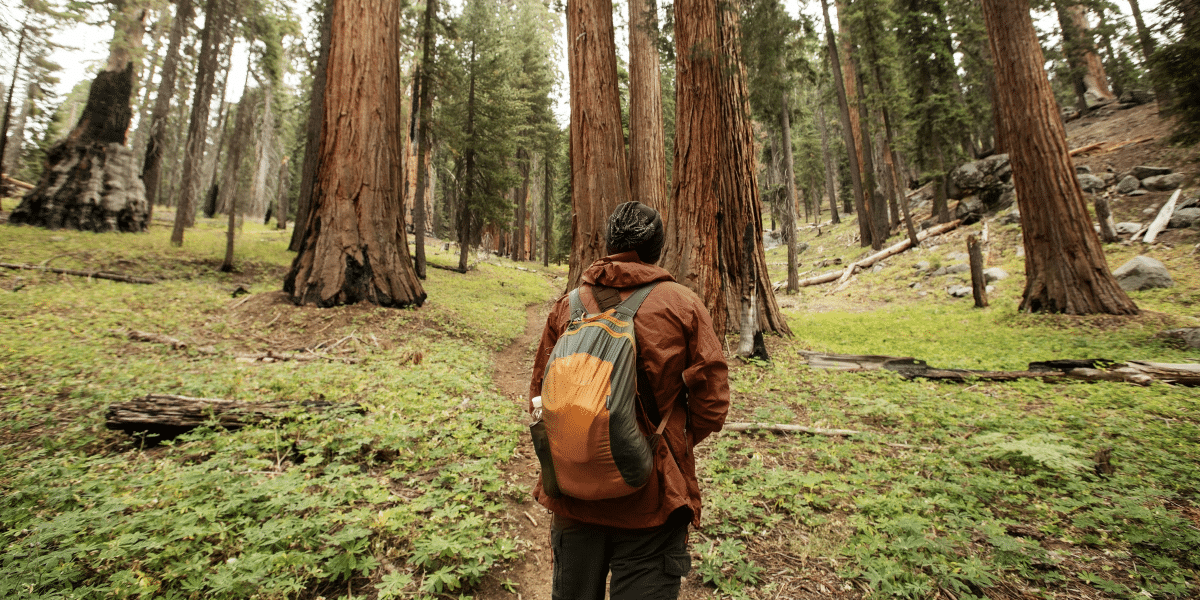

Old-growth forests are among the planet’s most enduring ecosystems. They have existed for hundreds, sometimes thousands, of years, forming an intricate balance between soil, plants, animals, and climate. These forests span regions such as the Pacific Northwest, the Appalachian Mountains, and the boreal zones of Alaska, each with its own distinct species and weather conditions.
People often associate old-growth forests with towering trees and untouched wilderness; yet, their value extends far beyond visual beauty. They are living archives of natural history and ecological stability. Each layer of vegetation—from moss-covered roots to high canopies—tells a story of adaptation and endurance.
Understanding what makes these forests unique helps explain why scientists and conservationists consider them essential to global climate and biodiversity efforts. Their significance extends from local habitats to the broader patterns that influence the Earth’s environmental systems.
What Defines An Old-Growth Forest
An old-growth forest is typically defined by its age, complexity, and continuity. Unlike younger forests that regenerate after logging or natural disasters, these forests have remained largely undisturbed for centuries. This stability allows trees to reach remarkable ages and sizes, forming dense canopies that create unique light and moisture conditions.
One characteristic feature is the presence of multiple layers of vegetation. The tallest canopy trees receive direct sunlight, while smaller trees and shrubs occupy lower levels. Dead trees, known as snags, stand alongside living ones and provide essential habitat for wildlife. Fallen logs on the forest floor slowly decompose, releasing nutrients back into the soil.
Because of this structure, old-growth forests maintain their own self-sustaining cycles. Nutrients are naturally recycled, and each organism plays a crucial role in maintaining the overall balance. This slow, continuous process creates a living system that can persist for hundreds of years without outside interference.
How Old-Growth Forests Store Carbon And Support Climate Stability
One of the most studied features of old-growth forests is their ability to store carbon. Through photosynthesis, trees absorb carbon dioxide, a greenhouse gas, and store it in their wood, leaves, and soil. Unlike younger forests that grow quickly and release carbon as they decay, old-growth forests hold onto this carbon for much longer periods.
The soil beneath these forests also acts as a significant carbon reservoir. Layers of fallen leaves, decaying wood, and roots lock away carbon in organic matter. This natural storage system helps regulate the planet’s temperature and supports broader climate stability.
When old-growth forests are disturbed—whether by fire, logging, or drought—large amounts of carbon can be released into the atmosphere. That’s why preserving existing old-growth stands has become a key element in climate strategies around the world. Protecting them isn’t just about saving trees; it’s about maintaining a natural system that helps moderate the Earth’s changing climate.
The Role Of Biodiversity In Old-Growth Forests
Old-growth forests support a level of biodiversity rarely found elsewhere. Birds, mammals, insects, fungi, and plants coexist in a web of relationships that has developed over centuries. The wide variety of microhabitats—such as tree hollows, decaying logs, and shaded understories—offers shelter and food for many species.
In the Pacific Northwest, for instance, old-growth forests provide homes for spotted owls, marbled murrelets, and salmon that depend on the shade of streams. In Alaska’s Tongass National Forest, towering spruce and cedar trees support black bears and bald eagles. Each region’s wildlife has adapted to the stability and resources these forests offer.
This diversity also serves as a form of ecological resilience. A forest rich in species can recover more effectively from disturbances. It also offers genetic variation that may be critical in adapting to long-term climate changes. In this way, biodiversity isn’t just a measure of abundance—it’s an indicator of health and survival.
Cultural And Historical Connections To Old-Growth Forests
For many Indigenous communities, old-growth forests carry deep cultural and spiritual meaning. These places are often regarded as sacred, holding stories, medicines, and ancestral connections that span generations. Traditional knowledge passed through oral history describes not just the trees but the rhythms and signs of the land itself.
Many tribes in California, Oregon, and Washington maintain practices linked to forest management that date back thousands of years. Controlled burns, selective harvesting, and careful monitoring of forest health allowed these ecosystems to thrive long before modern conservation laws. Today, partnerships between Indigenous groups and public agencies are helping reintroduce these time-tested stewardship methods.
This connection highlights a broader understanding of sustainability: treating forests not as commodities, but as living systems intertwined with human existence. It reminds modern society that balance with nature often comes from listening to those who have lived in harmony with it for centuries.
Why Old-Growth Forests Are Difficult To Replace
Once an old-growth forest is lost, it cannot be replaced in a single human lifetime. The slow accumulation of soil nutrients, the layering of plant communities, and the intricate networks of fungi and microorganisms take centuries to rebuild.
Even when new trees are planted, the resulting young forests don’t replicate the full ecological functions of an old-growth stand. They might grow quickly, but they lack the diversity, stability, and carbon storage capacity of mature ecosystems.
This timescale makes preservation especially important. Protecting existing old-growth forests ensures that the environmental, biological, and cultural benefits they offer remain intact for future generations. Restoration efforts can complement this work, but prevention remains the most effective form of protection.
Looking Ahead To Sustainable Coexistence
Efforts to preserve old-growth forests are growing in tandem with a growing awareness of their environmental and cultural significance. Policymakers, scientists, and local communities continue to explore ways to balance human activity with ecological responsibility.
Some regions are experimenting with sustainable logging practices in areas adjacent to old-growth forests, while others are expanding protected zones. Public education programs are also helping people understand the difference between new forests and ancient ones—encouraging a mindset that values longevity and care.
Old-growth forests represent continuity in an era of constant change. They remind humanity that patience and restraint can yield stability, and that the most enduring systems often depend on quiet persistence rather than rapid growth.