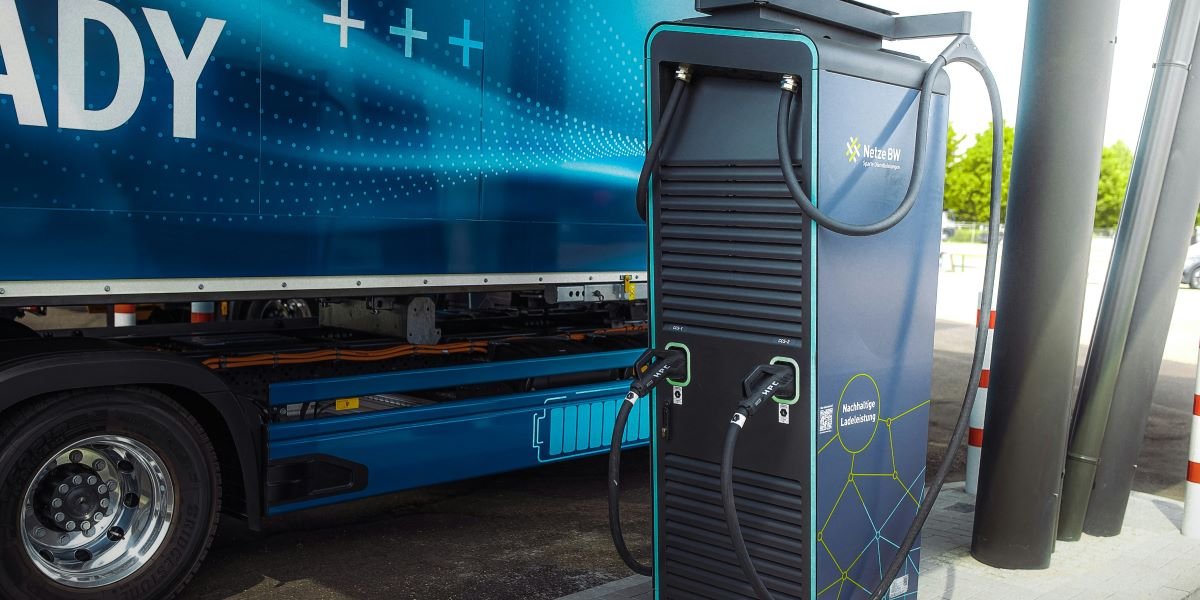

California is opening the door to one of the most ambitious clean transportation incentives in the country. Governor Gavin Newsom announced on Wednesday that applications are now open for the California Clean Fuel Reward (CCFR) rebate program, an initiative aimed at accelerating the adoption of electric medium- and heavy-duty trucks across the state.
The program will provide $250 million in rebates in 2026, with over $1 billion in total rebate funding expected through 2030. State officials say the effort is designed to help fleets transition to zero-emission technology while reducing air pollution in communities near ports, freight corridors, and warehouse hubs.
How the Rebates Work
Starting June 26, public and private fleets will be able to access point-of-sale rebates when purchasing eligible electric trucks from authorized retailers. Rebates will range from $7,500 to $120,000 to be applied towards the purchase of new electric medium‑ and heavy‑duty commercial vehicles, including drayage trucks, electric semis, box trucks, delivery vans, and other fleet vehicles.
By applying the rebate at the time of sale, the program reduces upfront costs that have historically deterred fleet operators from making the switch to electric. The structure is intended to make zero-emission vehicles more financially accessible for both small businesses and large logistics operators.
The California Air Resources Board (CARB) is currently accepting retailer enrollment, with rebates set to become available statewide at the end of June.
Funding and Administration
The CCFR program is financed through revenue generated by California’s Low Carbon Fuel Standard (LCFS), a market-based policy that requires fuel producers to reduce the carbon intensity of transportation fuels. Utilities participating in the LCFS generate revenue that is then reinvested into clean transportation programs.
According to CARB, the program is expected to become the largest utility rebate program for electric trucks in the country, with $250 million available this year and over $1 billion in total rebate funding expected through 2030.
Southern California Edison, one of the utility partners administering the program, said the initiative will help shift the heavy-duty vehicle market toward electrification. “As the largest utility-led incentive program of its kind for medium- and heavy-duty vehicles, the California Clean Fuel Reward represents a historic step forward in fleet electrification,” said Southern California Edison Senior Vice President and Chief Customer Officer Funmi Williamson. “By lowering upfront costs, it helps accelerate access to innovative vehicle technologies and supports long-term market transformation.”
Targeting Air Pollution and Freight Emissions
Heavy-duty trucks are a major contributor to air pollution in California, particularly in neighborhoods adjacent to ports, distribution centers, and major freeways. Diesel exhaust has been linked to respiratory illness, cardiovascular disease, and elevated cancer risk among residents in these communities.
“Exhaust-spewing trucks are among the largest contributors to local air pollution, especially in communities near ports and freight hubs. By accelerating the adoption of zero‑emission technology, the program will deliver cleaner air for Californians who suffer the most from exposure to harmful emissions,” Newsom said in a press release announcing the program.
The Ports of Los Angeles and Long Beach, which together form the largest port complex in the Western Hemisphere, have long been focal points for clean truck initiatives. Drayage trucks, which move shipping containers between ports and inland warehouses, are among the highest-priority vehicles for electrification under the new program.
Building on California’s Clean Transportation Record
The CCFR launch comes as California continues to lead the country in zero-emission vehicle deployment. The state surpassed 2.5 million cumulative ZEV sales in 2025, far exceeding its original goal of 1.5 million vehicles. In the fourth quarter of 2025 alone, Californians purchased 79,066 new ZEVs, accounting for nearly 19% of new car sales in the state.
While much of the public attention has focused on consumer electric vehicles, state officials say the electrification of commercial trucks represents a critical next phase. Global electric heavy-freight truck sales tripled in 2025, and California is positioning itself to compete in that expanding market.
The rebate program also arrives at a time when federal incentives for electric vehicles have been scaled back. With federal ZEV tax credits having expired in September 2025, California has moved to fill the gap through state-funded incentives, including a separate $200 million ZEV consumer rebate program proposed earlier this year.
Industry and Environmental Response
The new rebate program has drawn support from clean energy advocates, freight industry stakeholders, and air quality experts. Many see it as a meaningful step toward meeting California’s broader climate targets, which include carbon neutrality by 2045.
CARB officials emphasized that the program builds on existing infrastructure investments. The California Energy Commission has allocated additional funding for charging infrastructure, including initiatives focused on multifamily housing and high-dwell-time locations.
Fleet operators interested in the program can access detailed eligibility requirements and application materials through the California Air Resources Board. Authorized retailers will be listed once enrollment is complete, with rebates becoming available statewide on June 26.