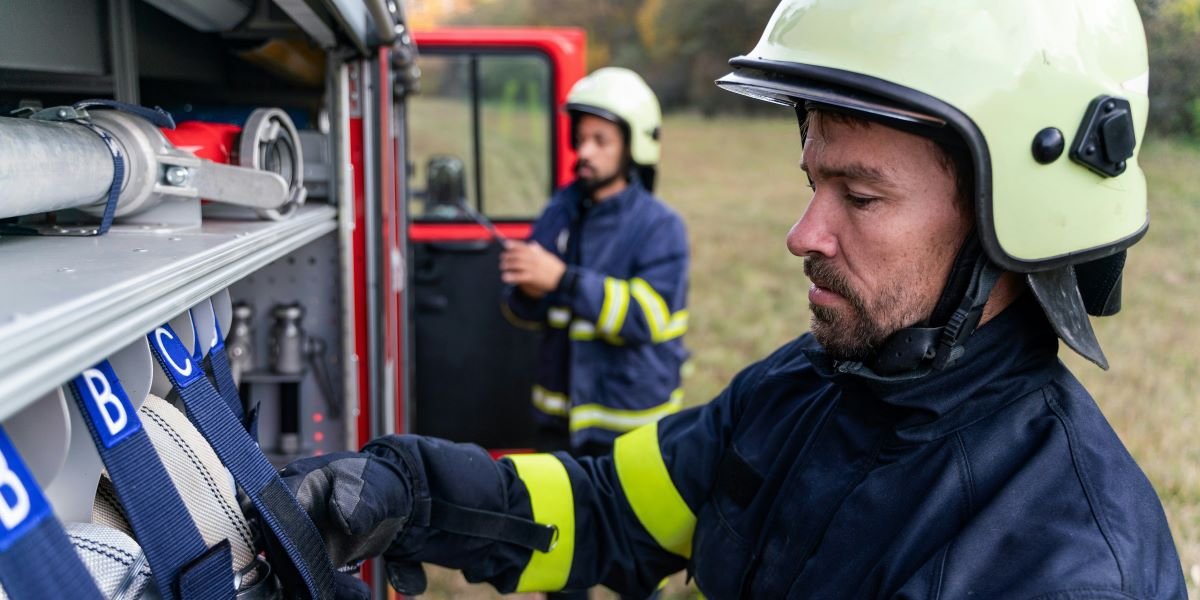

California is moving additional firefighting resources into areas facing increased wildfire risk as hot, dry, and windy conditions raise concerns across parts of the state.
The California Governor’s Office of Emergency Services (Cal OES) announced on July 24 that additional firefighters and equipment were being positioned in Sierra and Plumas counties. The deployments add to resources already prepositioned in Los Angeles County, giving local fire agencies additional support as fire danger increases.
Key Takeaways
- Cal OES is positioning additional firefighting resources in Sierra and Plumas counties as hot, dry, and windy conditions increase wildfire concerns.
- The deployments include local government fire engines, water tenders, and other personnel to strengthen local emergency response capabilities.
- California has also maintained prepositioned resources in Los Angeles County as part of its broader wildfire preparedness strategy.
- Prepositioning allows firefighting resources to be closer to areas facing elevated risk, potentially reducing the time needed to respond to a new fire.
- State and local agencies are combining emergency planning, weather monitoring, resource deployment, and public preparedness to manage wildfire risks.
Firefighting Resources Positioned in Northern California
According to Cal OES, resources were scheduled for deployment in Sierra County from July 24 through the morning of July 27. The deployment included four local government fire engines, three local government water tenders, and one local government overhead resource.
In Plumas County, the state planned to position three local government engines and two local government water tenders beginning July 25 through the morning of July 27.
The resources are intended to support local fire agencies and improve their ability to act quickly if a wildfire starts. Prepositioning does not mean that a major fire is already underway in those counties. Instead, it is a precautionary measure designed to reduce the time needed to bring additional firefighting capacity to areas facing elevated risk.
Cal OES has also maintained prepositioned resources in Los Angeles County as part of California’s broader wildfire readiness efforts. The agency has emphasized the value of staging equipment and personnel ahead of dangerous conditions so local agencies can access additional support when needed.
Why Hot and Dry Weather Raises Fire Concerns
Wildfire risk can increase when high temperatures combine with dry vegetation and strong winds. Under those conditions, a fire can start more easily and spread more rapidly, creating additional pressure on local firefighting agencies.
California’s emergency management agencies monitor weather and vegetation conditions to determine where additional resources may be needed. By positioning engines, water tenders, and other personnel in advance, emergency officials can reduce the distance that resources must travel when a fire is reported.
The state’s wildfire preparedness efforts are taking place alongside other emergency planning measures during periods of extreme heat. Cal OES has also encouraged residents to use local resources such as cooling centers and to monitor information from county officials during periods of dangerous temperatures, according to its public guidance on cooling centers and heat-related resources.
Prepositioning as Part of California’s Wildfire Strategy
The latest deployments are part of a broader strategy that has become increasingly important as California prepares for challenging wildfire conditions.
Cal OES has repeatedly used prepositioning to place firefighting assets closer to communities facing elevated fire weather conditions. Earlier deployments included engines, water tenders, helicopters, hand crews, and other resources in several California counties. The strategy is intended to strengthen local response capabilities and provide additional support when conditions become more dangerous, according to Cal OES information on the state’s wildfire resource deployments.
The approach also relies on coordination between state and local agencies. Local fire departments remain central to initial wildfire response, while state resources can be positioned to provide additional capacity when conditions warrant it.
For California residents, the strategy highlights the importance of preparation at both the government and household levels. While state agencies can position firefighters and equipment, residents in fire-prone areas are also encouraged to monitor emergency alerts, understand evacuation routes, and prepare essential supplies before an emergency occurs.
Cal OES recommends that residents take steps to prepare for potential wildfire evacuations, including signing up for local emergency notifications and developing an emergency plan. The agency’s wildfire preparedness guidance also encourages Californians to remain informed about local conditions and follow instructions from emergency officials.
California Continues to Focus on Faster Emergency Response
The decision to preposition resources in Sierra and Plumas counties demonstrates how California is using weather forecasts and fire-risk assessments to guide emergency planning.
Rather than treating wildfire response solely as an effort that begins after ignition, the state is emphasizing readiness before an incident occurs. Having engines, water tenders, and personnel already in or near higher-risk areas can give firefighters a head start when a new fire is reported.
The latest deployments also underscore the continuing challenge facing California communities during periods of heat and dry weather. As conditions change, state and local officials can adjust the placement of emergency resources based on changing fire conditions and forecasts.
For residents, the state’s approach reinforces the importance of staying informed before an emergency develops. Wildfire preparedness remains a shared responsibility involving state agencies, local governments, emergency responders, and communities across California.
FAQs
Why is California prepositioning firefighting resources?
California prepositions firefighting resources when weather and environmental conditions indicate an increased risk of wildfire. Positioning equipment and personnel closer to higher-risk areas can help local agencies respond more quickly if a fire starts.
Which California counties received additional resources?
According to the July 24 Cal OES announcement, additional resources were positioned in Sierra and Plumas counties. Cal OES also had resources prepositioned in Los Angeles County as part of broader wildfire preparedness efforts.
Does prepositioning mean there is already a major wildfire?
No. Prepositioning is a preventive emergency-management measure. It means authorities are placing resources in strategic locations before or during periods of elevated risk so they can be deployed quickly if a wildfire develops.
What conditions can increase wildfire risk?
Hot temperatures, dry vegetation, low moisture, and strong or gusty winds can contribute to higher wildfire risk. These conditions can make vegetation easier to ignite and allow fires to spread more quickly.
What can California residents do to prepare for wildfire?
Residents can monitor local emergency alerts, understand evacuation routes, prepare essential supplies, and follow instructions from local authorities. People in wildfire-prone areas should also stay informed about changing fire and weather conditions and review guidance from their local emergency agencies.