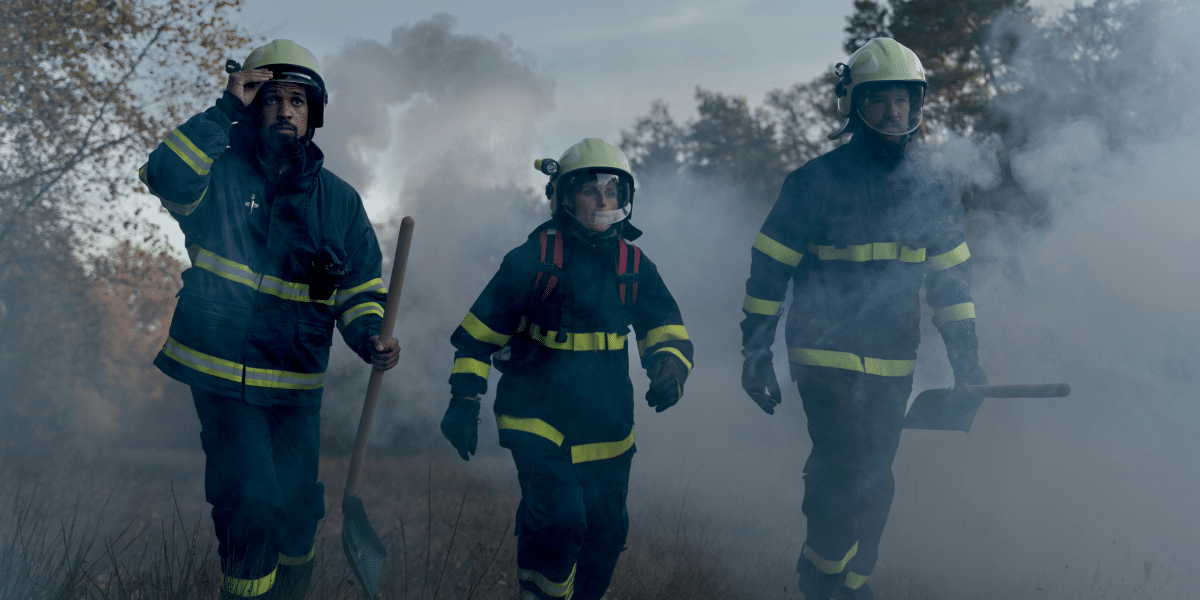

California is heading into its 2026 fire season with a wildfire prevention and response apparatus that has been fundamentally restructured since Governor Gavin Newsom took office in 2019. The state’s fire protection budget has nearly doubled from $2 billion to $3.8 billion, more than 400 wildfire prevention projects have been fast-tracked through streamlined permitting, and a constellation of wildfire-detection satellites launched in July now gives California the ability to identify ignitions from space within minutes. These investments arrive against a backdrop of shrinking federal firefighting capacity that is forcing the state to absorb responsibilities that Washington has historically shared.
What Is California Doing Differently On Prevention?
The centerpiece of California’s current strategy is speed. Governor Newsom’s March 2025 wildfire emergency proclamation created a fast-track permitting pathway for forest management and fuels reduction projects that previously required years of environmental review. By June 2026, 400 wildfire prevention projects had been approved through the streamlined process, covering tens of thousands of acres across the state. In Southern California alone, 48 projects have been greenlit, including a 600-acre fuels reduction effort led by the Mountains Recreation and Conservation Authority near the Palisades Fire footprint in Los Angeles County and the 350-acre Tonner Canyon South Vegetation Management Project south of Diamond Bar.
The fast-track system compresses what would traditionally be a multi-year permitting cycle into weeks. Projects include hazardous vegetation removal, strategic fuel break construction, defensible space improvements, and prescribed burning — all activities that reduce the intensity and spread of wildfires by removing the accumulated brush, dead trees, and overgrown vegetation that act as fuel. The deadline for initiating projects under the emergency pathway was extended twice, most recently to May 1, 2026, ensuring that communities and land managers could continue submitting high-priority projects during the rainy season when prescribed burns are safest to conduct.
Prescribed fire itself has received a policy overhaul. An executive order directed state agencies to reduce regulatory barriers to deploying beneficial fire, including cultural burns practiced by California’s tribal nations. In March 2026, the California Natural Resources Agency launched the state’s first Tribal Stewardship Policy, establishing a goal of expanding tribal stewardship over at least 7.5 million acres of land and coastal waters. The policy recognizes that Indigenous land management practices, which include controlled burns to reduce fuel loads and promote ecological health, predate California statehood and offer a proven model for landscape-scale fire prevention.
A draft five-year wildfire action plan, released in June 2026, is open for public comment through August 7, with a final version expected in fall 2026. The plan is designed to establish a long-term framework that extends beyond emergency proclamations and annual budget cycles, giving communities, tribes, local governments, and conservation organizations a predictable roadmap for prevention work.
How Has The State Expanded Its Firefighting Workforce And Technology?
CAL FIRE, the state agency responsible for fire protection across 31 million acres of State Responsibility Area, has added an average of 1,800 full-time and 600 seasonal positions annually over the past five years — nearly double the hiring pace of the previous administration. Thousands of additional firefighters, natural resource professionals, and support personnel are planned over the next four years. The workforce expansion is critical because California’s fire season is no longer seasonal — wildfires now pose a year-round threat, requiring sustained staffing levels that cannot depend on surge capacity alone.
On the technology front, California has invested heavily in detection and intelligence systems that did not exist a decade ago. The One Less Spark campaign, launched on July 15, 2026, represents the public education component of the state’s strategy — targeting the human behaviors that cause an estimated 95 percent of California wildfires. The campaign runs paid advertising across digital, radio, and billboard channels in fire-prone regions and distributes a public toolkit of educational materials through fire departments, community organizations, and local government partners.
Behind the campaign, the state has deployed an increasingly sophisticated technology stack. The Fire Integrated Real-Time Intelligence System, known as FIRIS, provides aerial intelligence, advanced fire mapping, and predictive analytics to support wildfire response across every California county. FIRIS has flown more than 2,000 missions since its 2019 launch. AI-powered wildfire detection cameras, positioned across hundreds of mountaintop stations, use machine learning to identify smoke plumes and alert dispatchers before 911 calls arrive. Drone surveillance, satellite monitoring, and real-time fire-spread modeling give incident commanders tools to predict fire behavior and position crews ahead of advancing flame fronts.
The most dramatic technological addition arrived on July 7, 2026, when California launched FireSat — a constellation of wildfire-detection satellites capable of spotting ignitions from orbit. FireSat represents a first-of-its-kind capability that allows the state to detect new fires within minutes across remote and inaccessible terrain where ground-based detection systems have gaps. The satellite network is designed to operate as a complement to the existing camera and aerial surveillance infrastructure, closing the detection window between ignition and initial response that determines whether a fire remains small or escapes containment.
Why Is Federal Firefighting Capacity A Growing Concern?
California’s state-level investments are unfolding against a troubling contraction in federal firefighting resources. A June 2026 Government Accountability Office report found that the U.S. Forest Service workforce shrank by roughly 20 percent following a February 2025 executive order mandating sweeping federal staffing reductions. The number of federal employees available for wildfire suppression nationally dropped from 18,700 in 2024 to just over 17,000 by mid-2026.
That decline carries direct consequences for California, where the federal government manages millions of acres of national forest land. When federal crews are understaffed or unavailable, state and local agencies absorb the response burden — stretching resources that are already committed to protecting state and private lands. The staffing gap is particularly acute during peak fire season, when multiple simultaneous ignitions across the Western United States compete for the same limited pool of federal firefighting personnel, aircraft, and equipment.
California’s response has been to invest in self-sufficiency. New C-130H airtankers are being stationed at CAL FIRE bases throughout the state. The workforce expansion ensures that the state can deploy crews at scale without depending on federal mutual aid that may not materialize. The technology investments — from FireSat to AI detection cameras — reduce dependence on manual surveillance by automating the earliest and most time-sensitive phase of fire response.
The combination of accelerated prevention, expanded personnel, and advanced detection technology represents a structural shift in how California manages wildfire risk — moving from reactive suppression toward a layered system where prevention work, early detection, and rapid initial attack operate simultaneously to reduce the size and severity of fires before they reach communities.