

What the Bill Proposes and Why It Matters
California lawmakers have passed a bill that would require online platforms to verify the age of users before granting access to certain content or features. The legislation is designed to protect minors from harmful material and interactions, including targeted advertising, algorithmic recommendations, and unmoderated chat functions.
The bill applies to platforms with more than 1 million monthly users and includes social media, gaming apps, and AI-driven tools. Companies would need to implement age estimation or verification systems that meet state privacy standards.
Supporters argue that the bill strengthens online safety for children and teens. They point to growing concerns about mental health, exposure to inappropriate content, and data collection practices.
Opponents, including some digital rights groups, warn that mandatory age checks could compromise user privacy. They question whether platforms can verify age without collecting sensitive personal information.
The bill now awaits Governor Gavin Newsom’s decision. If signed, it would take effect in 2026 and make California the first state to mandate broad age verification across digital platforms.
How Tech Companies Are Responding
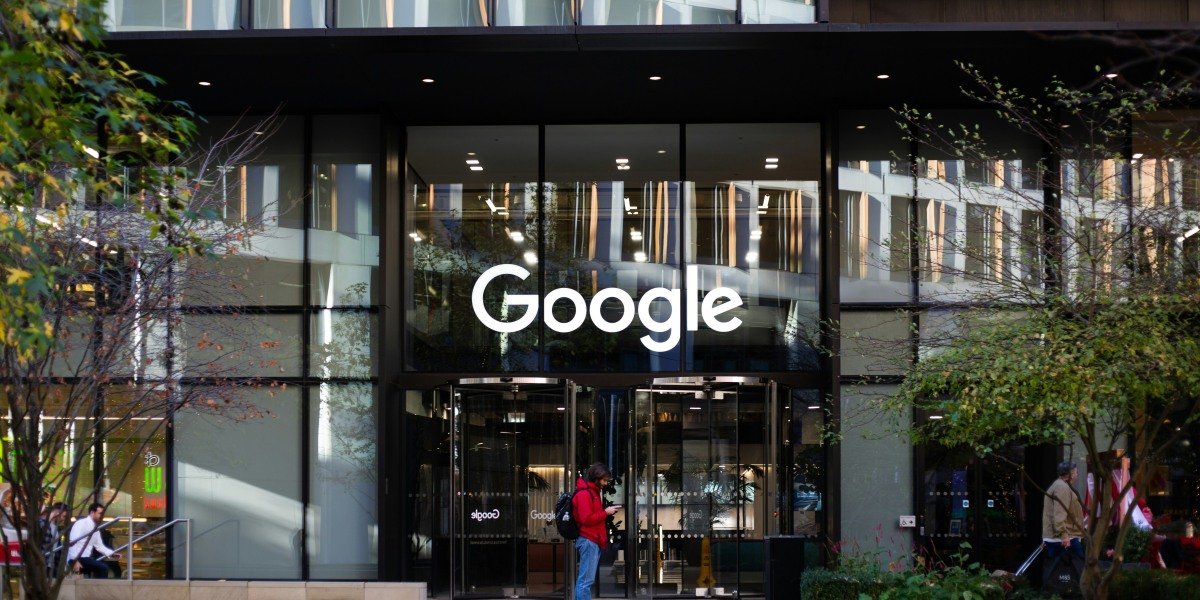
Major tech firms have taken varied positions on the bill. Google, Meta, and OpenAI have expressed conditional support, citing the need for clear rules and consistent enforcement.
These companies already use age estimation tools, such as birthdate prompts and behavioral analysis. However, the bill would require more robust systems, possibly including biometric checks or third-party verification.
Some platforms worry that the new requirements could disrupt user experience. Age gates may slow onboarding, reduce engagement, or create barriers for legitimate users.
Others are concerned about compliance costs. Smaller platforms may struggle to implement verification tools without affecting performance or profitability.
The bill also raises questions about liability. If a platform fails to block underage users from restricted features, it could face fines or legal action.
The debate reflects broader tensions between Silicon Valley and Sacramento. While tech companies support youth protection, they remain cautious about regulation that could limit innovation or increase oversight.
Privacy, Moderation, and the Role of Hollywood

The bill has also drawn attention from California’s entertainment industry. Streaming platforms, production studios, and talent agencies are watching closely, especially as content moderation intersects with age-based access.
Hollywood stakeholders have raised concerns about how the bill defines “harmful content.” Some fear that creative material could be flagged or restricted based on vague criteria.
Others support the bill’s intent but want clearer guidelines. They argue that age verification should focus on platform features—such as messaging or monetization—rather than creative output.
The legislation has prompted renewed discussion about digital identity. Verifying age without collecting personal data remains a technical challenge.
Some experts suggest using device-level signals, such as usage patterns or parental controls. Others propose decentralized identity systems that allow users to prove age without revealing identity.
The bill’s privacy provisions require platforms to minimize data collection and avoid storing verification records. This aligns with California’s broader data protection laws, including the California Consumer Privacy Act.
The conversation around digital safety continues to evolve. As explored in How Cloud Security Protects Business Data from Unauthorized Access, many companies are reassessing how they manage user data and safeguard sensitive information.
If signed into law, the age verification bill could reshape how California regulates digital platforms. It would set a precedent for other states and influence federal policy discussions.
The bill may also affect product design. Platforms could begin building age-aware features from the ground up, rather than retrofitting existing systems.
Developers may prioritize modular access, allowing users to unlock features based on verified age. This could lead to more personalized and secure user experiences.
The legislation may also encourage collaboration between tech firms and regulators. Shared standards, pilot programs, and public feedback could help refine implementation.
For California’s tech sector, the bill represents both a challenge and an opportunity. It reflects growing public concern about online safety and signals a shift toward more active governance.
As platforms adapt, users may see changes in how they access content, interact with others, and manage their digital profiles.
The long-term effects will depend on how the bill is enforced and how companies respond. For now, the focus remains on Governor Newsom’s decision and the broader implications for California’s digital future.
Internal Links Used
How Cloud Security Protects Business Data from Unauthorized Access
https://cagazette.com/how-cloud-security-protects-business-data-from-unauthorized-access/


