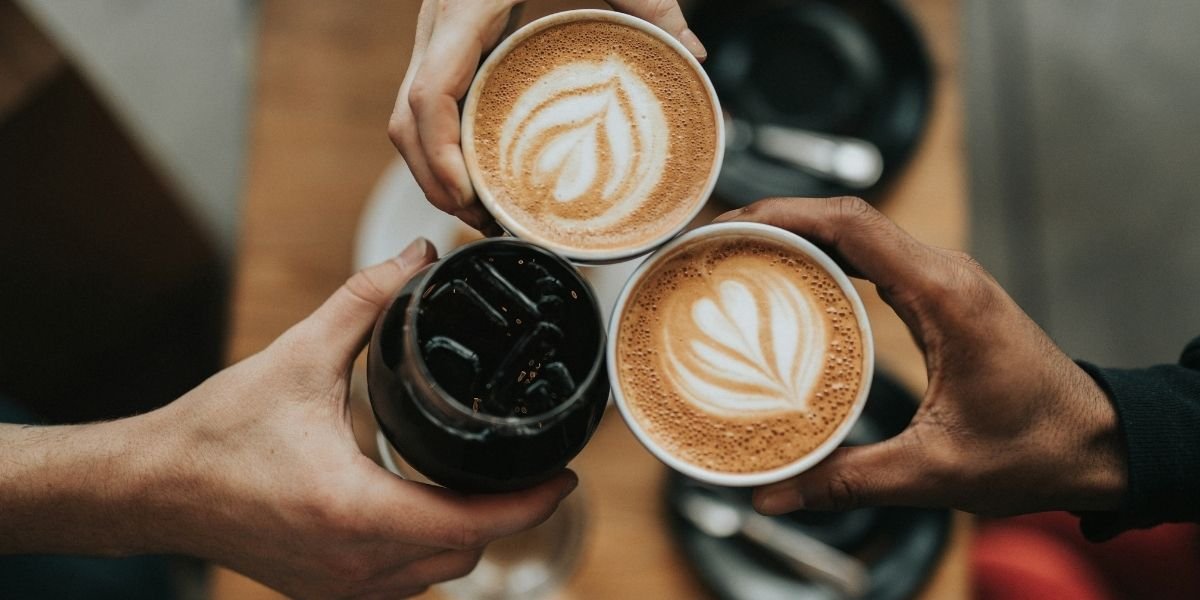

Coffee used to be a straightforward ritual, usually dark, bitter, and brewed in bulk. It was about efficiency, not experience. Now, younger consumers are approaching it with a different mindset, one that values novelty, nuance, and personal relevance. For many, a cup of coffee isn’t just a caffeine vehicle, it’s a crafted moment.
The shift is noticeable across settings. Office kitchens, once dominated by standard drip machines, are being replaced or supplemented by compact cold brew towers, manual espresso makers, and curated bean selections. Cafés once dominated by uniform menus now serve rotating seasonal offerings that reflect changing tastes.
There’s a broad move away from uniformity. Young drinkers aren’t just favoring variety, they expect it. Their routines make room for flavor experimentation, temperature changes, and format switching. Even habitual drinkers often toggle between cold brew, matcha lattes, and decaf shots across a single week. Coffee’s definition is expanding.
What’s Fueling the Demand for Personalization in Coffee Choices?
The personalized coffee trend isn’t driven solely by taste, it’s also rooted in identity, wellness habits, and aesthetic expression. Younger coffee fans often gravitate toward choices that mirror other parts of their lifestyle, whether that means plant-based ingredients, low-acid brews, or additives linked with focus and calm.
Beverage requests have become detailed and customized. Orders like “half-sweet pistachio oat latte with rosemary foam” aren’t uncommon, they’re part of the language younger consumers use to communicate preferences with precision. Baristas note that there’s less fear of judgment and more creative freedom.
Customization isn’t just about what’s added; it’s also about what’s left out. Many are rejecting overly sweetened options or heavy dairy in favor of balance and control. Coffee becomes not just a drink, but a daily ritual aligned with mood, digestion, and even skincare goals.
The demand for personalization also extends to sourcing and sustainability. Young buyers want beans with stories, whether that means single-origin crops, direct trade partnerships, or low-carbon production methods. Packaging matters too. Refillable containers and biodegradable options signal more than environmental care, they suggest alignment with values.
How Is Social Influence Shaping New Coffee Routines?
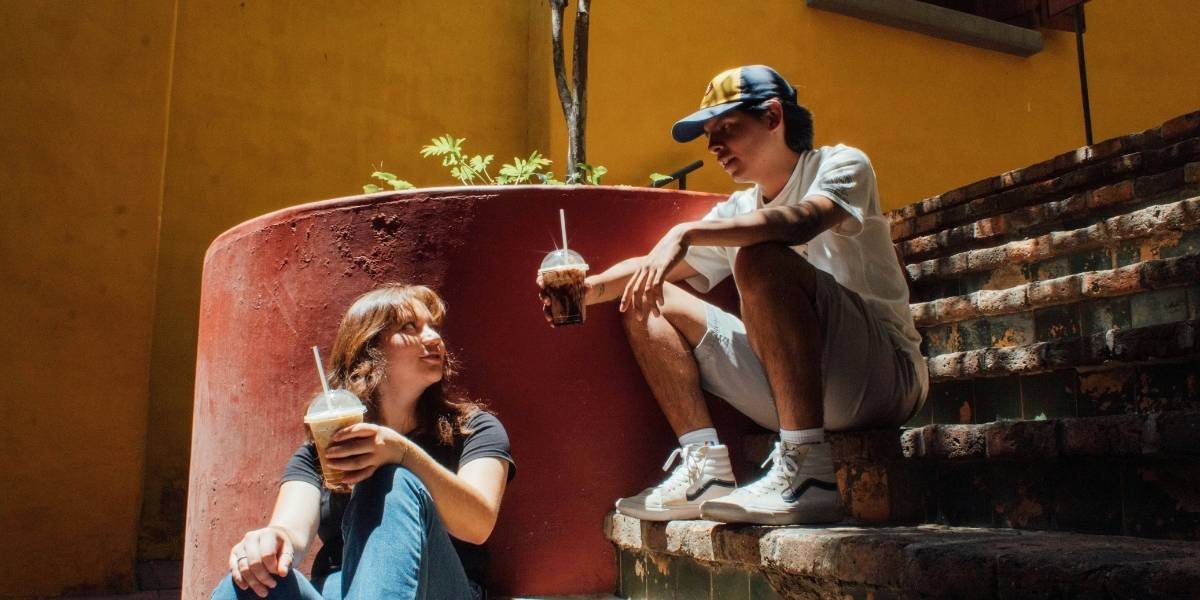
Social media has expanded how coffee is shared, not just consumed. Platforms display morning routines, recipe breakdowns, and side-by-side taste tests. The visual nature of these posts, often staged in natural lighting with curated backgrounds, has elevated coffee from fuel to content.
Many of the drinks gaining popularity originated not in cafés but on personal accounts. Flash brews paired with fruit peels, mocktail-style coffee blends using tonic and espresso, and mushroom-infused shots with cinnamon, these examples often surface first as DIY experiments.
Influence works subtly. A drink doesn’t need to trend globally to inspire behavior, it just needs to appear in a peer’s feed with the right aesthetic. This decentralized model of discovery means that young consumers aren’t just following experts, they’re watching one another.
Content also drives equipment purchases. Aeropress units, milk frothers, digital scales, and ceramic drippers are showing up in small apartments and dorm rooms, not because they’re necessary, but because they’re part of the ritual. The tactile nature of brewing is as appealing as the outcome.
Coffee has also intersected with wellness trends. Mushroom blends, adaptogenic infusions, and caffeine alternatives are being promoted for benefits like clarity, calm, and gut support. These aren’t necessarily replacing coffee but enhancing or diversifying its role.
Which Coffee Formats Are Gaining Popularity Among Younger Drinkers?
Traditional coffee is still part of the mix, but younger consumers are expanding their vocabulary with newer formats that offer distinct taste profiles and preparation methods. Some trending options include:
- Cold Brew Variants – Smooth, low-acid infusions made with extended steeping times; often mixed with fruit, florals, or botanicals.
- Flash Brew – Brewed hot and instantly chilled, preserving brightness while softening bitterness.
- Espresso Tonic – A crisp, bubbly blend combining espresso and tonic water; popular for afternoon sipping.
- Mushroom Coffee – Featuring ingredients like lion’s mane or chaga, these blends are favored for flavor depth and perceived health support.
- Milk Alternatives – Oat, soy, almond, coconut, and even pistachio milks used to enhance texture, reduce lactose, or explore flavor.
There’s also growing interest in zero-proof formats, non-caffeinated drinks that borrow coffee rituals without including the bean. These often rely on roasted grains, herbs, or roots to create a familiar bitterness.
At-home setups are becoming more sophisticated, too. Portable grinders, reusable pods, precision kettles, and coffee subscriptions are part of the toolkit. This accessibility has made experimentation part of the daily habit rather than a special occasion.
Are Coffee Habits Likely to Keep Shifting in This Direction?
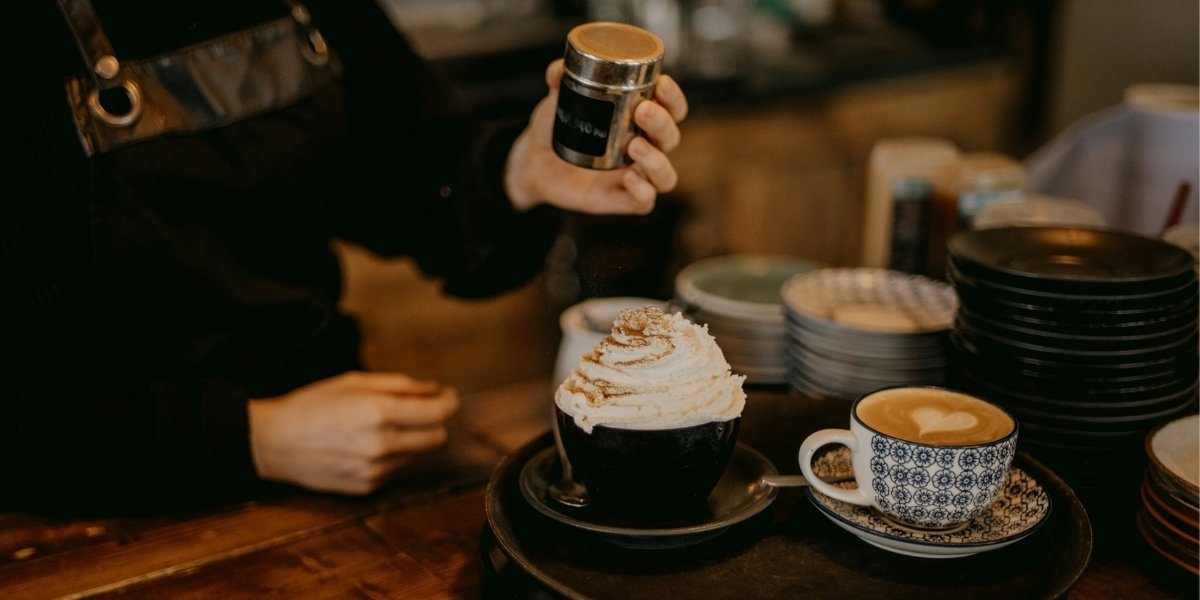
The factors influencing coffee behavior, personalization, transparency, aesthetic appeal, and health integration, are anchored in broader consumer habits. They reflect how young people approach food, media, and identity across categories.
Coffee is no longer viewed as static. Instead, it acts like a category of flavor and function that adapts to personal and social shifts. While tradition still plays a role, younger drinkers tend to treat it as reference, not rule. Choices rotate with seasons, moods, and new exposures.
This mindset encourages experimentation without abandoning familiarity. Rather than rejecting classic brews, younger consumers are extending them, adding new layers, blends, and rituals. There’s room for both the standard drip and the lavender tonic cold brew in the same weekly routine.
What emerges is a hybrid coffee culture, one shaped by variety, informed by values, and open to reinterpretation. This culture isn’t limited to cafés or morning commutes. It unfolds in bedrooms, on screens, and across neighborhood conversations. The coffee itself might be central, but the habit surrounding it is what’s truly shifting.
And for those rethinking their workplace coffee setup to match these evolving preferences, this guide to choosing the right coffee machine for your office offers practical tips on balancing taste, budget, and employee needs.
Internal Links Used
Choosing the Right Coffee Machine for Your Office
https://cagazette.com/choosing-the-right-coffee-machine-for-your-office/