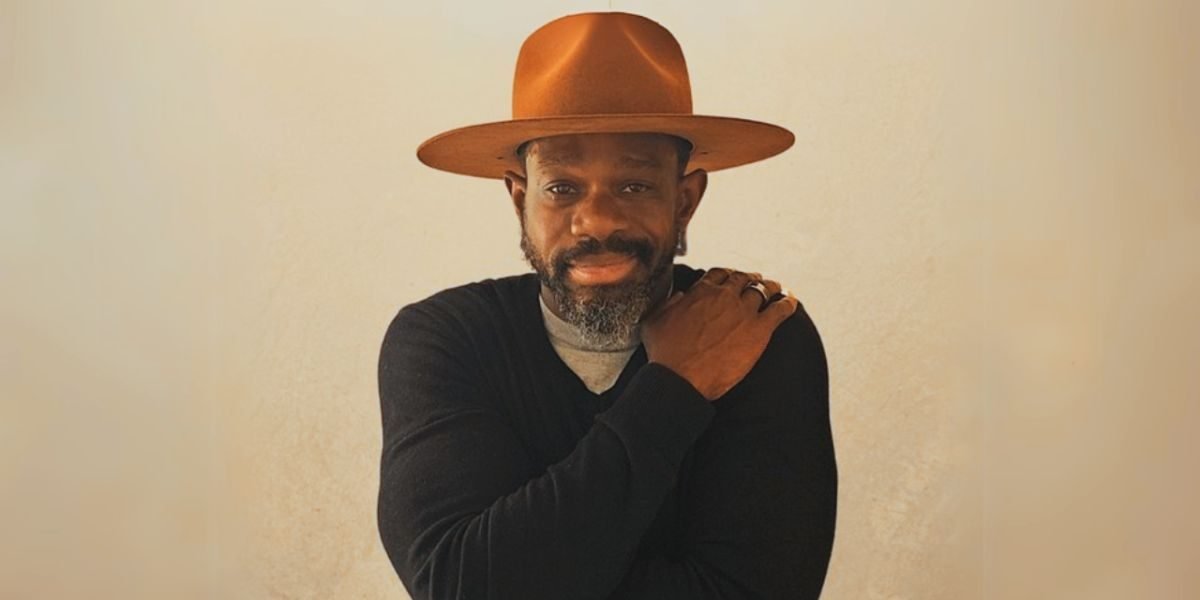

By: Katherine Morris
“I looked into the audience and realized I was speaking to the wrong people. The real audience was kids.”
That moment shifted everything for Michael Davis. A cybersecurity expert with over two decades in the U.S. Navy, Davis was delivering a TEDx talk on “Cyber Happiness” when he experienced what he now calls a spiritual wake-up. It didn’t diminish the importance of the parents and teachers in the room. But it became clear: his message could have a greater impact if it reached children.
From that realization came MindfulBytes.io, a curriculum that integrates mindfulness into digital literacy for K-5 students. And it’s showing promising results, with pilot programs reporting reductions in cyberbullying by up to 40% and increases in student engagement by approximately 86%.
A Moment of Clarity on Stage
With a career spanning cybersecurity roles at Boeing, Los Alamos National Laboratory, and the Pentagon, Davis had seen the technical side of digital risk. But on the TEDx stage, he confronted a different kind of vulnerability.
“There was a moment where I looked in the audience and I could not see the audience… and then I realized, oh no, Mike, you’re just speaking to the wrong audience.”
After the talk, he knew exactly what to do. “I need to take what I just said for about eight minutes or so and develop a curriculum that speaks to kids in this space who are learning about technology.”
The Question That Changed Everything
MindfulBytes isn’t about screen time limits or firewalls. It starts with a question: What is the space between me and the device?
“We ask kids, what does technology taste like? What does it feel like? What does it sound like?” Davis said. “These are questions that open up a different level of curiosity… Is it me that’s scrolling, or is it my anxiety that’s scrolling?”
The goal is emotional awareness before behavior control. The curriculum doesn’t use technology. Instead, it teaches children to assess how they feel when using it.
No Devices, Just Dialogue
MindfulBytes is currently in pilot programs in three schools. Davis spends about a week in each, using analog activities to explore digital themes.
One example? The classic telephone game.
“We use that as an example to describe the noise of social media… We teach kids there’s a problem with someone’s post… maybe go to the person directly,” Davis explained.
Each activity links common classroom play with modern digital behaviors, without screens.
Teaching Agency, Not Anxiety
Davis is clear: his curriculum is not about creating tech-phobic kids. It’s about building internal awareness.
“We should focus on early intervention,” he said. “Asking kids abstract questions around their feelings can open up a different conversation… It’s about finding a voice that they can speak to and have agency over their digital usage.”
In other words, MindfulBytes is more about digital stewardship than digital citizenship. “I know my body more. The spidey senses… that’s the principle.”
AI in Classrooms: A Potential Challenge?
With schools like Texas’s Alpha School moving toward teacher-free, AI-led classrooms, Davis shared his reservations.
“I think there’s a potential challenge I don’t want to lose,” he said. “Kids learn through relationships. They learn through empathy.”
His own story underscores that point. As a child growing up in the South, he purposely dimmed his potential until one teacher, Sharon Merek, saw through it. “She said, ‘I believe in you. You can do this.” He later named his company, Merek Security Solutions, in her honor.
“No technology can fully replace an actual human who has the feeling space and the empathy space… to connect with the student’s learning development.”
This perspective comes from lived experience, not theory. Davis knows the value of human connection in education because it transformed his own life.
Disclaimer: The information presented in this article reflects the personal experiences and views of Michael Davis regarding the integration of mindfulness into digital literacy for children. The MindfulBytes program and its reported outcomes, such as reductions in cyberbullying and increased student engagement, are based on pilot program results and may not be universally applicable. Results may vary depending on individual school settings, student demographics, and other factors. Readers are encouraged to independently evaluate the program and consult educational professionals before implementing any new curriculum or practices.
Published by Joseph T.