Extreme heat has settled over Los Angeles, pushing temperatures well beyond seasonal norms and prompting officials to issue safety alerts across the region. The city, known for its sunny climate, is no stranger to warm days, but this current stretch has brought a level of intensity that’s hard to ignore. From the San Fernando Valley to the coastal neighborhoods, the heat has disrupted daily routines, strained infrastructure, and raised concerns about public health.
For many residents, the experience has been more than just uncomfortable. It’s exhausting to navigate daily life when the air feels heavy and the sun seems relentless. Whether commuting, working outdoors, or simply trying to sleep through the night, the effects of extreme heat are being felt in ways that go beyond the thermometer.
Los Angeles Weather Patterns Push Past Seasonal Norms
The current heatwave gripping Los Angeles is part of a broader pattern of high-pressure systems that trap warm air over the region. These systems prevent cooler ocean breezes from reaching inland areas, causing temperatures to spike and linger. While summer heat is expected, this particular stretch has brought daytime highs into the triple digits across several neighborhoods, with nighttime temperatures staying unusually elevated.
In areas like the San Gabriel Valley and parts of the Inland Empire, thermometers have hovered around 105°F, while downtown Los Angeles has seen temperatures climb above 100°F for multiple consecutive days. Coastal zones, typically buffered by marine influence, have also experienced warmer-than-usual conditions, with beachgoers finding little relief from the heat.

Meteorologists point to a combination of factors, including persistent dry conditions and stagnant air masses, which contribute to the severity of the heat. Without significant cloud cover or wind, the sun’s intensity builds throughout the day, creating a cycle that’s difficult to break.
Heat Safety Alerts Aim to Protect Vulnerable Communities
In response to the extreme heat, local agencies have issued a series of safety alerts aimed at protecting residents, especially those most at risk. These alerts include recommendations to limit outdoor activity during peak hours, stay hydrated, and seek air-conditioned environments whenever possible. Cooling centers have been activated across Los Angeles County, offering temporary relief for individuals without access to adequate shelter or ventilation.
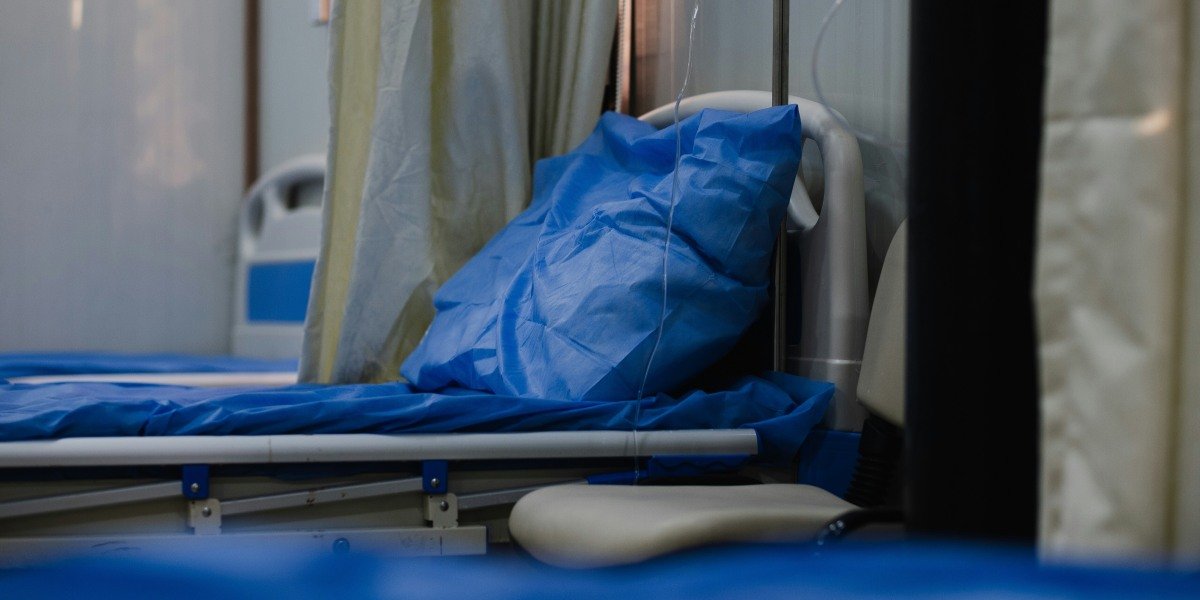
Public health officials have emphasized the importance of recognizing symptoms of heat-related illness, such as dizziness, nausea, and confusion. Older adults, young children, and individuals with pre-existing health conditions are particularly vulnerable during prolonged heat events. Emergency services have reported an uptick in calls related to heat exhaustion and dehydration, underscoring the seriousness of the situation.
For those relying on public transportation or working in outdoor settings, the heat presents additional challenges. Transit systems have implemented precautionary measures, including increased maintenance checks and hydration stations at major hubs. Construction crews and delivery workers are adjusting schedules to avoid the hottest parts of the day, though not all industries have the flexibility to do so.
Infrastructure Strains Under Prolonged Heat
Beyond health concerns, extreme heat in Los Angeles has placed significant strain on infrastructure. Power grids are operating at near-maximum capacity as residents turn to air conditioning and fans to stay cool. Utility providers have issued warnings about potential outages and encouraged energy conservation during peak hours.
Roadways and rail systems are also affected. Prolonged exposure to high temperatures can cause asphalt to soften and expand, leading to surface damage and increased maintenance needs. Rail tracks, which are sensitive to thermal expansion, require close monitoring to prevent warping or misalignment.
Water usage has surged as residents seek relief through showers, sprinklers, and pools. While Los Angeles has made strides in water conservation, the demand during heatwaves often tests the limits of supply systems. Officials continue to monitor reservoir levels and encourage mindful consumption, particularly in areas already facing drought conditions.
Extreme Heat Disrupts Daily Life Across Los Angeles
The impact of extreme heat on daily life in Los Angeles is both widespread and deeply personal. Schools have adjusted outdoor activities, with some campuses limiting recess or canceling sports practices. Pet owners are taking extra precautions to protect animals from hot pavement and dehydration. Grocery stores report increased demand for ice, cold beverages, and cooling products.
For many, sleep has become a challenge. Without cooler nighttime temperatures, homes retain heat well into the evening, making rest difficult. Air conditioning units run continuously, and fans offer limited relief in poorly insulated buildings. Renters in older apartments, particularly those without central air, face the added burden of managing heat with minimal resources.
The frustration is understandable. It’s hard to focus, work, or relax when the environment feels oppressive. And while some residents can escape to cooler regions or rely on modern comforts, others are left to cope with limited options. The disparity in access to cooling resources highlights broader issues of equity and preparedness in the face of climate stress.
Emergency Contacts and Cooling Resources in Los Angeles
During periods of extreme heat, access to timely support can make a real difference. Los Angeles residents experiencing heat-related distress or seeking cooling assistance can use the following resources:
- Emergency Services: Dial 911 for any medical emergencies or if someone is experiencing symptoms of heat stroke or severe dehydration.
- Non-Emergency City Services: Call 3-1-1 from within Los Angeles to locate cooling centers, report power outages, or get information on public resources.
- LA County Public Health Heat Safety Info: Contact (626) 430-5360 for guidance on heat-related health risks and available support services.
- NotifyLA Alerts: Residents can sign up at NotifyLA.org to receive real-time updates on heat warnings and citywide safety measures.
Cooling centers are open across Los Angeles, including senior centers and recreation facilities. These locations are accessible to individuals with disabilities and those with functional needs. Hours and availability may vary, so checking ahead is recommended.
Looking Ahead: Monitoring and Mitigation Efforts Continue
As extreme heat continues to grip Los Angeles, officials remain focused on monitoring conditions and coordinating response efforts. Forecasts suggest that temperatures may begin to ease slightly in the coming days, but the overall pattern remains unpredictable. Agencies are working together to ensure that cooling centers remain open, emergency services are supported, and residents receive timely updates.

Long-term strategies are also being discussed, including improvements to urban planning that prioritize shade, green spaces, and heat-resilient infrastructure. While these efforts take time, they reflect a growing awareness of the challenges posed by extreme weather and the need for adaptive solutions.
For now, the focus remains on staying safe, staying informed, and supporting one another through the discomfort. Extreme heat may be a seasonal reality, but its impact is felt in every corner of daily life. And for those living through it, the hope is simple: a break in the heat, a breath of cooler air, and a return to something that feels a little more manageable.