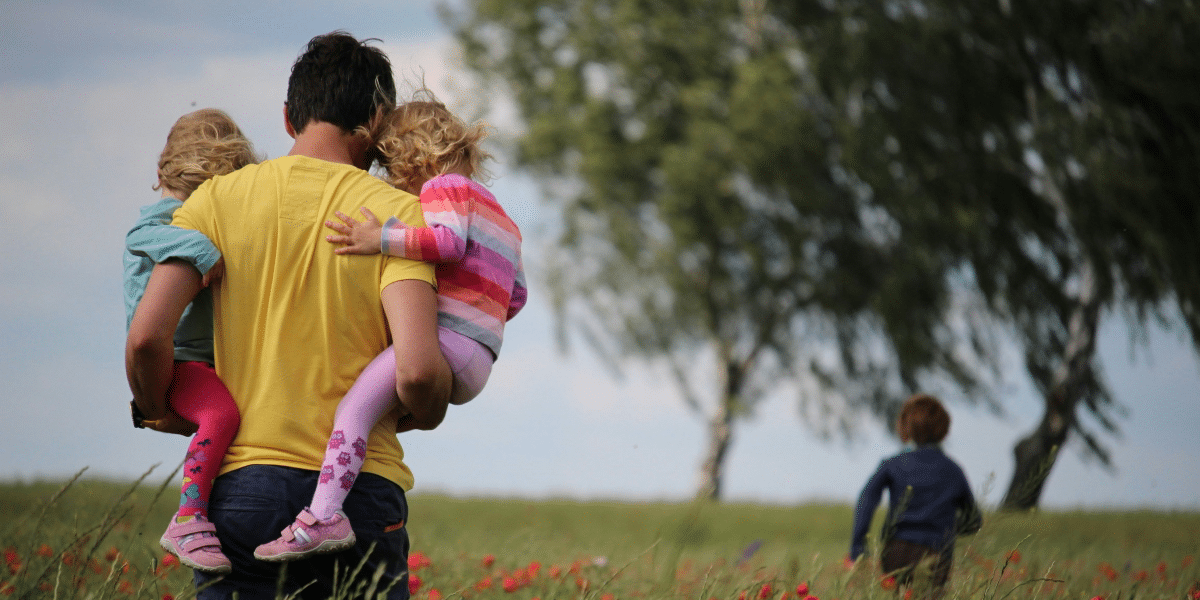


Developing patience and focus in children is a challenge for many families, especially in a time of constant distractions. Kids today face a range of stimuli from digital devices, schoolwork, and social engagements, often making it hard to practice calm concentration. For parents interested in guiding their children toward greater focus, family activities can be a powerful tool. Through shared projects that require persistence and mental engagement, children gradually learn resilience, attentiveness, and the ability to stay calm under pressure.
Here are engaging family activities that can help children build focus and patience, making resilience a natural part of their development journey.
Nature Walks and Outdoor Observations: Learning Patience in Real-Time
In a world filled with screens and fast-paced entertainment, nature offers a unique, unhurried experience that promotes patience and focus. Family nature walks provide children with a hands-on way to observe their surroundings, which can be especially valuable for developing sustained attention. Nature walks encourage kids to notice small details in their environment, from identifying types of trees and plants to tracking animal movements, such as following a butterfly or observing a squirrel’s path. These quiet activities help children focus on subtle details and develop patience by slowing down to experience nature’s gradual rhythms.
For added depth, consider incorporating tools like binoculars or a magnifying glass for close-up exploration. Nature scavenger hunts can also be introduced to make the walk more interactive. Parents can create lists of specific plants, animals, or even textures to find, challenging children to be attentive observers. As they search for items on the list, kids engage deeply, practicing patience as they work toward a goal. Nature walks can also open discussions about the seasons, life cycles, and environmental preservation, promoting curiosity and teaching children to appreciate the slower, consistent aspects of life around them.
Jigsaw Puzzles and Board Games: The Calm of Strategic Play
Jigsaw puzzles and board games are timeless family activities that do more than provide entertainment—they foster patience, problem-solving, and focus in a highly approachable way. Jigsaw puzzles, in particular, are an excellent choice for building concentration. Parents often consider if jigsaw puzzles might help with ADHD in children by providing a relaxing way to build concentration skills. This focused engagement can benefit kids who find it hard to sit still or stay with a task until completion. Each puzzle piece placed correctly offers a small reward, reinforcing the value of perseverance and careful observation.
Similarly, strategy-based board games like chess, checkers, or cooperative games such as Pandemic encourage kids to think ahead and consider the consequences of their actions. While some games involve direct competition, others allow families to work as a team toward a shared objective, creating a bond that also develops empathy and communication. Games that require turns help children understand patience in a structured setting, teaching them to wait, focus, and anticipate. For younger children, simpler games such as matching cards or “Spot It” can also build attention to detail and strategic thinking, providing a solid foundation for longer and more complex games.
Family Gardening Projects: Cultivating Patience from the Ground Up
Gardening is one of the rewarding ways to teach patience, as the results of planting and nurturing a garden don’t appear overnight. Working together on a family garden offers a sense of responsibility, accomplishment, and resilience as children see the direct results of their actions over time. Gardening encourages a connection to nature, helping children understand the slow, steady progress that many tasks require. As they water plants, pull weeds, and tend to seedlings, kids learn that growth doesn’t happen instantly, helping them develop a deeper appreciation for sustained effort.
To make gardening more engaging for children, let them choose specific plants or vegetables they want to care for, ideally opting for varieties that grow relatively quickly, such as radishes, lettuce, or beans. This can motivate them as they see tangible progress within a few weeks. Additionally, setting up a small “observation journal” where children can record growth progress, draw pictures, or note plant care routines encourages them to be mindful of details. Gardening can also be expanded into a lesson on environmental stewardship and biology, making it a holistic activity that develops patience while instilling an appreciation for the environment.
Family gardening requires regular participation and responsibility, making it ideal for teaching children about commitment and follow-through. Kids learn that dedication to their plants yields visible results, building pride and reinforcing the value of patience through natural, real-world examples.
Engaging in family activities that promote patience and focus offers kids a way to practice these skills in a supportive environment, setting them up for a lifetime of resilience and attentiveness. By incorporating nature walks, puzzles, board games, and gardening into family routines, parents provide children with opportunities to strengthen focus, build patience, and experience the satisfaction of working toward goals together. These experiences lay the groundwork for qualities that extend beyond childhood, forming a strong foundation for future challenges.
Published by: Holy Minoza