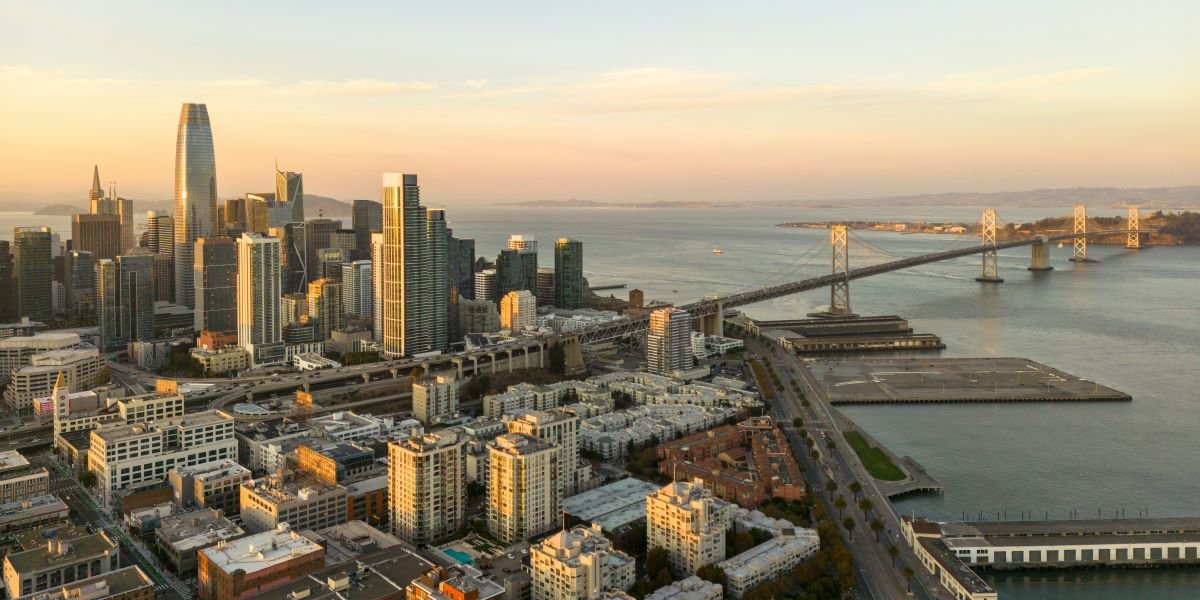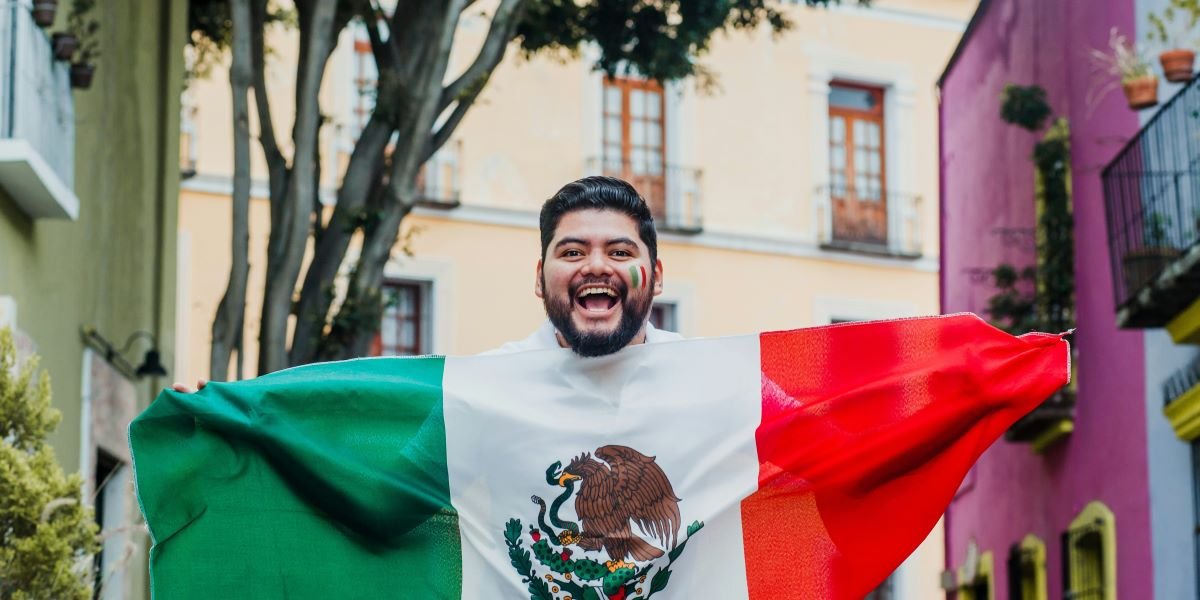

Hispanic Heritage Month begins on September 15, 2026, across California and the nation, launching a 31-day observance that runs through October 15 and recognizes the contributions of Hispanic and Latino communities to American culture, economy, and civic life. Governor Gavin Newsom’s office issued a proclamation marking the occasion, and state agencies, cities, libraries, museums, and cultural organizations from San Diego to the Bay Area have scheduled festivals, performances, exhibitions, and educational programming. California, where 15.6 million residents identify as Latino, making it the state’s largest ethnic group at 39.4% of the total population, holds a particular relationship to the observance and its origins.
Key Takeaways
- Hispanic Heritage Month runs from September 15 through October 15, 2026, with the national theme “Pioneers of Change: Shaping the Future Together.”
- California is home to 15.6 million Latino residents, the largest Hispanic population of any U.S. state, representing 39.4% of its total population.
- September 15 marks the anniversary of independence for five Central American nations: Costa Rica, El Salvador, Guatemala, Honduras, and Nicaragua. Mexico celebrates independence on September 16, and Chile on September 18.
- The observance was first introduced in 1968 by Southern California Congressman George E. Brown and expanded from a week to a full month in 1988.
- Programming across the state includes the 80th annual East Los Angeles Mexican Independence Day Parade, El Grito at Los Angeles City Hall, film screenings at San Francisco International Airport, and San Diego County Hispanic Heritage Awards.
A California Congressman Started the Observance 58 Years Ago
The origins of Hispanic Heritage Month trace directly to California. In 1968, Southern California Congressman George E. Brown introduced a resolution in the House of Representatives proposing a national week to recognize the contributions of Hispanic Americans. Congress passed Public Law 90-498 on September 17 of that year, authorizing the president to issue annual proclamations marking September 15 and 16 as the beginning of National Hispanic Heritage Week. President Lyndon B. Johnson issued the first presidential proclamation the same day.
Two decades later, President Ronald Reagan signed legislation expanding the observance from one week to a 31-day period, running from September 15 through October 15. President George H.W. Bush, who had co-sponsored the original 1968 resolution as a member of the House, issued the first month-long proclamation in 1989. The September 15 start date carries its own significance: it marks the anniversary of independence for five Central American nations, Costa Rica, El Salvador, Guatemala, Honduras, and Nicaragua. Mexico’s independence day falls on September 16, Chile’s on September 18, and Día de la Raza is observed on October 12.
That a California congressman introduced the legislation is fitting given the state’s demographic composition. California is home to the largest Hispanic population of any state, with roots stretching across Mexico, Central America, South America, the Caribbean, and the Indigenous communities of Latin America. The state’s connection to Hispanic and Latino history predates its statehood entirely, with Spanish colonization, the mission system, the Mexican rancho era, and the Californio community forming foundational layers of the state’s identity.
Los Angeles Anchors Southern California’s Programming With Decades-Old Traditions
Los Angeles, where nearly half of the county’s population identifies as Hispanic or Latino, hosts some of the most established Hispanic Heritage Month events in the country. El Grito, the annual festival celebrating Mexico’s independence from Spain, returns to the steps of Los Angeles City Hall on September 15, continuing a tradition that has run for more than four decades. Daniel Tarica, general manager of the city’s Department of Cultural Affairs, has described the event as the way Los Angeles celebrates the range of Latino histories and traditions that have shaped the city.
The East Los Angeles Mexican Independence Day Parade and Festival, a free daylong event, is celebrating its 80th year in 2026. The parade includes floral floats, folklórico dancers, equestrian teams, and marching groups, with the route accessible via the East LA Civic Center Metro station. Fiestas Patrias at Plaza México in Lynwood features live performances and a traditional Grito ceremony marking the moment Mexico began its path toward independence, complete with bell ringing and patriotic calls.
The Museum of Latin American Art (MOLAA) in Long Beach is hosting Lucha Libre events from September 23 through 27, including meet-and-greets with luchadores. Long Beach’s Latino Restaurant Week, scheduled for October 5 through 11, has signed up more than a dozen participating restaurants. Across LA County, parks including Valleydale Park in Azusa and Sunshine Park in La Puente are staging community events with entertainment, crafts, and cultural programming on select dates. The Los Angeles Public Library is hosting the bilingual Los Angeles Libros Festival at its Central Library branch. California cities across the southern part of the state have a long tradition of hosting Fiestas Patrias celebrations for Mexican Independence Day, and many of those events now serve as the opening acts of the broader heritage month programming calendar.
San Francisco and San Diego Build Out Programming From Airports to University Campuses
San Francisco’s public institutions are running coordinated programming that spans libraries, airports, and film organizations. The San Francisco Public Library’s annual ¡VIVA! Latinx Hispanic Heritage Month celebration includes exhibitions, author events, and community gatherings across branch locations. Film SF, the city’s film office, is hosting a series of free film screenings spotlighting local talent from the Bay Area’s Latinx community. The screenings are taking place at San Francisco International Airport through its SFO Video Arts program, making SFO one of the only airports in the country with an accredited museum and film program integrated into its terminals. A community kickoff event with filmmakers was held on September 5, and a culminating screening and mixer is scheduled for October 7 at the Main Library.
In San Diego, the 2026 San Diego County Hispanic Heritage Awards will recognize community and business leaders through the Cafecito Business Latino Community Awards, honoring people and organizations contributing to the region’s Hispanic and Latino civic and business life. UC San Diego is extending its Latin Heritage Month programming through October 31, stretching beyond the national observance with events that include a community altar, ballet folklórico, sugar-skull decorating, pan de muerto, and Mexican hot chocolate on October 29. San Diego’s connection to Hispanic heritage runs particularly deep: the city’s colonial history dates to 1769, when the San Diego Presidio and Mission San Diego de Alcalá established the beginning of Alta California’s mission system.
State Agencies Frame the Month Around Conservation and Environmental Stewardship
The California Natural Resources Agency and its affiliated departments and conservancies have adopted the theme “Esperanza en Acción: Honoring Roots, Defending Nature” for the 2026 observance. The theme draws a connection between cultural heritage, community resilience, and environmental stewardship, framing conservation as an extension of the relationship Latino Californians have maintained with the state’s landscapes across generations.
The agency has scheduled in-person and virtual events throughout the state from September 15 through October 15, including a speaker series titled “Latino Leadership in Conservation: Celebrating Heritage and Environmental Stewardship.” The programming is part of a broader state effort to integrate cultural observances into agency operations and public engagement, recognizing that environmental policy in California intersects directly with the communities most affected by land use, agricultural labor, water access, and climate-related risks.
At the national level, the observance’s theme for 2026 is “Pioneers of Change: Shaping the Future Together,” and federal institutions including the Library of Congress, Smithsonian Institution, National Archives, and National Park Service are running their own exhibitions and educational programming. Nationally, 68 million Americans identify as Hispanic or Latino, representing approximately 20.5% of the total U.S. population. California alone accounts for nearly a quarter of that national figure.
The Month Reflects a Demographic Reality That Shapes California Policy Year-Round
Hispanic Heritage Month in California operates against a backdrop where the demographic and economic contributions the observance celebrates are not seasonal or ceremonial but structural. Latino Californians represent the state’s largest workforce segment in agriculture, construction, food service, healthcare support, and numerous other industries. One in four Californians is foreign-born, and the majority of the state’s immigrant population traces its origins to Mexico, El Salvador, and Guatemala.
The state’s major cities all carry Spanish names, from Sacramento and San Francisco to San Diego and Los Angeles (formally El Pueblo de Nuestra Señora La Reina de Los Ángeles). Bilingualism is common across large swaths of the state, and the English language spoken in California has been shaped by centuries of Spanish and Mexican linguistic influence, with words like “ranch,” “adobe,” and “fiesta” embedded in everyday usage. The observance functions less as an introduction to a community’s contributions and more as a concentrated period of institutional recognition for a presence that predates the state itself and continues to define its character at every level of public and economic life.
FAQs
When Is Hispanic Heritage Month 2026?
Hispanic Heritage Month 2026 runs from September 15 through October 15. The observance begins on September 15 because it marks the anniversary of independence for five Central American nations: Costa Rica, El Salvador, Guatemala, Honduras, and Nicaragua. Mexico celebrates its independence on September 16, and Chile on September 18.
Why Does California Call It Latino Heritage Month?
California officially recognizes the observance as California Latino Heritage Month, reflecting the terminology the state uses to describe its 15.6 million residents of Latin American descent. The state uses “Latino” as an inclusive term that encompasses the full range of national origins, Indigenous backgrounds, and cultural identities within the community. The national observance uses “Hispanic Heritage Month.”
How Many Latino Residents Live in California?
California is home to 15.6 million Latino residents, the largest Hispanic population of any U.S. state. Latinos represent 39.4% of California’s total population, making them the state’s largest ethnic group. Nationally, 68 million Americans identify as Hispanic or Latino, and California accounts for nearly a quarter of that total.
What Events Are Happening in California for Hispanic Heritage Month 2026?
Events span the state, including the 80th annual East Los Angeles Mexican Independence Day Parade, El Grito at Los Angeles City Hall, Lucha Libre at the Museum of Latin American Art in Long Beach, Latino Restaurant Week in Long Beach, free film screenings at San Francisco International Airport, the San Diego County Hispanic Heritage Awards, and UC San Diego’s extended Latin Heritage Month programming through October 31. California state parks, libraries, and cultural organizations are also hosting events statewide.
Who Started Hispanic Heritage Month?
The observance originated with Southern California Congressman George E. Brown, who introduced a resolution in the House of Representatives in 1968 proposing a national week to recognize Hispanic American contributions. Congress passed the resolution that year, and President Lyndon B. Johnson issued the first proclamation. The observance was expanded from one week to a full month in 1988, with the first month-long proclamation issued by President George H.W. Bush in 1989.