Family law has long been treated as a legal category when, in truth, it is often one of the most personally difficult areas of legal practice. It is where people show up carrying fear, grief, uncertainty, and the administrative weight of an unraveling future.
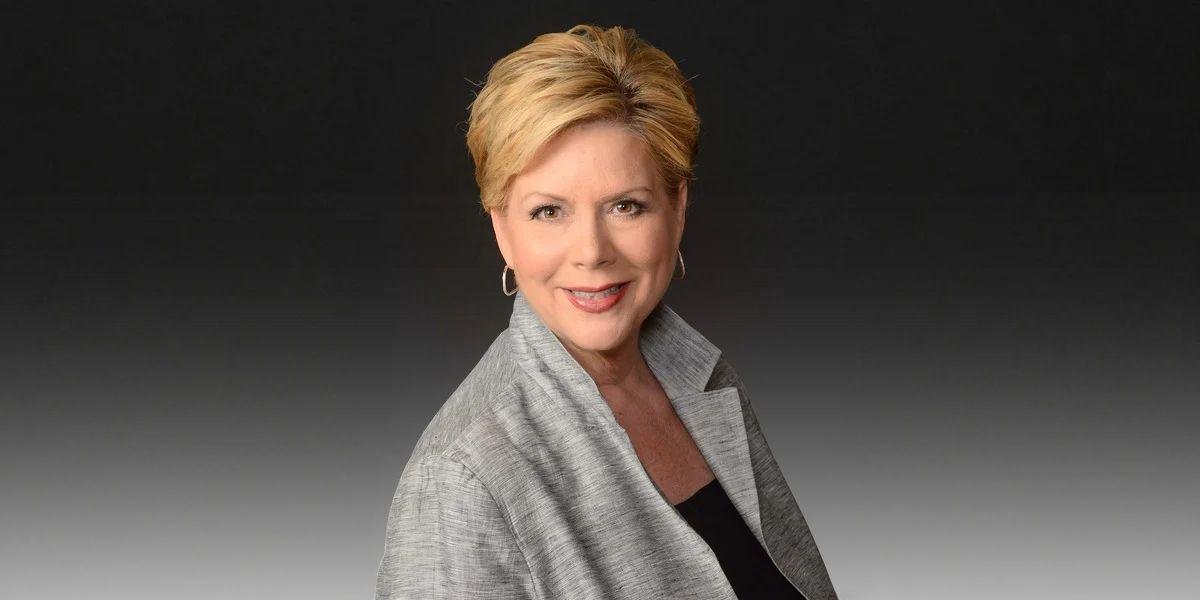
Sahar Maknouni has built her practice around that harder truth. Through Maknouni Family Law Firm, APC, she is doing more than handling cases. She is helping reshape how family law is delivered, experienced, and understood by the people forced to walk through it.
What makes her work stand apart is that it does not confuse legal skill with legal service. Plenty of attorneys know procedure. Far fewer know how to build a framework around a client who is trying to function while their personal life is under strain. Sahar’s model is different. It is structured, high-contact, and intentionally clear.
Across high asset divorce cases, custody disputes, and other family law matters, Sahar delivers representation designed to protect what matters most under the law. She approaches each case with the recognition that clients are often trying to make serious decisions while their personal world is shifting beneath them. At the same time, she helps clients clear through the fog, regain their balance, and move through turbulent periods with greater confidence.
That difference is rooted in the particular blend of forces behind her practice. Her firsthand experience with divorce has sharpened her understanding of what clients actually need from counsel, beyond filings and court dates. It gives her work a kind of emotional literacy that cannot be learned from legal education alone or manufactured through branding.
That is where Sahar’s services begin to carry a different kind of weight. She is known for meticulous document preparation and strong courtroom advocacy, but what makes those strengths resonate more deeply is the client-centered structure surrounding them. She does not simply represent people. She builds a process around them that is meant to keep them informed, grounded, and far less overwhelmed.
Through centralized files, responsive communication, and a practice built around transparency, Sahar pushes against a frustration that has worn clients down for years: the sense that once an attorney steps in, visibility disappears. Her model is designed to keep clients connected to the movement of their case rather than stranded outside of it. Her approach makes the legal process feel more open, more understandable, and far less overwhelming to carry.
This is part of a larger shift taking shape within her practice. For years, family law has often operated with an unspoken assumption that clients must adapt to the machinery of the system. Sahar’s work leans in the opposite direction. She is helping shape the client experience around the person at the center of the case. That means clearer explanations, more responsive communication, and strategies shaped around the full reality of a person’s circumstances rather than only the legal issues on paper.
Her educational foundation adds another dimension to her approach. With training in business law and management alongside her legal education, she brings an operational mindset into a practice area that often suffers from emotional fog and procedural sprawl. That wider lens matters. Family law cases are rarely just about custody schedules or marital status. They involve money, logistics, timing, planning, and the difficult mechanics of rebuilding a life. Her ability to approach those cases with both legal command and structural thinking gives her work unusual depth.
Just as important is the fact that her firm is devoted exclusively to family law. That focus gives the practice a sharper edge. It signals concentration rather than dilution, immersion rather than generalization. In a field where no two cases carry the same emotional temperature or legal texture, that level of specialization allows for more calibrated strategy and a more intelligent response to complexity.
Sahar’s influence is not confined to paying clients or private casework. Her involvement with the Harriett Buhai Center for Family Law places her within a broader effort to make legal help more reachable for underserved communities in Los Angeles. That matters because it signals something larger than service. It points to a vision of family law that is more open, more equitable, and less dependent on who can most easily afford to be protected.
Looking forward, her ambitions suggest that this evolution is still underway. She is not simply building a successful practice. She is building a more thoughtful model for what family law can become: more transparent, more human, more streamlined, and better equipped to support clients through the full weight of transition.
With technology, education, and client-centered systems playing a larger role in that vision, her work points toward a future where legal representation feels less like entering a maze and more like having a clearer path through a difficult process with informed support.
That is where Sahar Maknouni’s influence becomes most interesting. She is not changing family law through spectacle. She is doing it by changing the texture of the experience itself. By making the process clearer, the advocacy sharper, and the support more real, she is helping raise expectations in a field that has needed a more humane client experience for a long time.
Disclaimer: This article is for informational purposes only and does not constitute legal advice. Reading this content does not create an attorney-client relationship with Sahar Maknouni or Maknouni Family Law Firm, APC. Outcomes in family law matters depend on the unique facts of each case, and prior results do not guarantee a similar outcome. For guidance on a specific legal matter, consult a qualified attorney licensed in your jurisdiction.