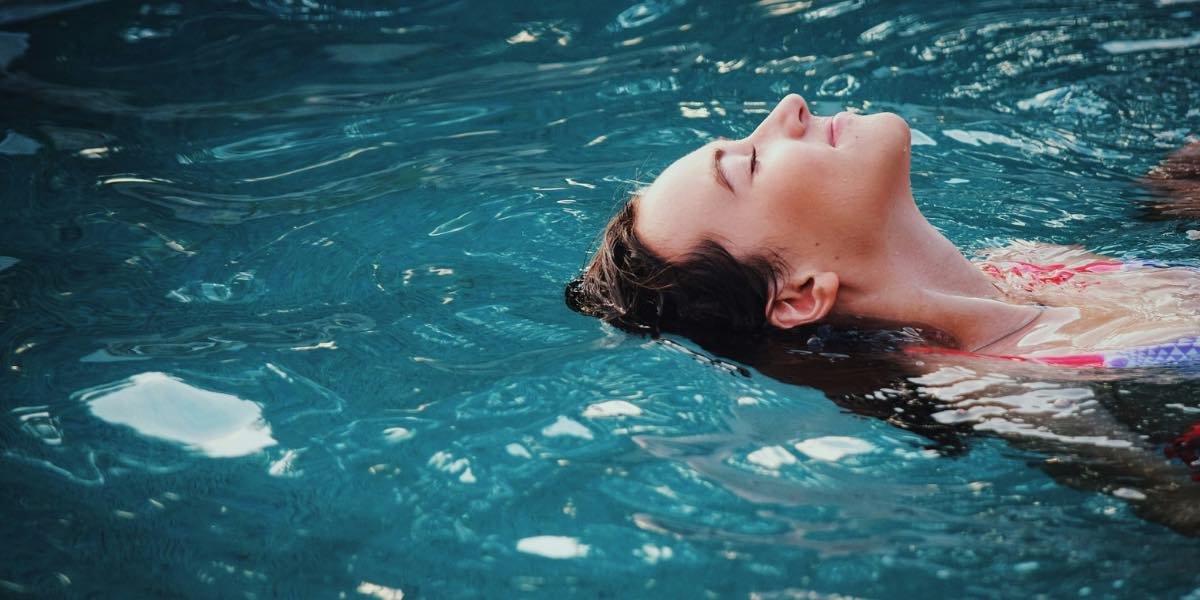

Hydrotherapy’s resurgence has become increasingly evident in wellness travel, as many seek experiences that go beyond relaxation. Interest in water-based healing has grown alongside a broader focus on well-being, with travelers considering how environments rich in mineral springs, thermal baths, and aquatic therapies might contribute to their overall health. While historical traditions and anecdotal accounts have long praised hydrotherapy’s benefits, contemporary wellness tourism reflects a mix of both curiosity and cautious optimism.
Those drawn to these experiences often report improvements in stress levels, muscle tension, and general relaxation. Destinations offering thermal baths, hydro-massage treatments, and seawater therapies continue to attract visitors interested in restorative travel, while research into the physiological effects of water immersion adds another dimension to the conversation.
Read also: Creating Lasting Memories with Family Vacations and Travel: Fun for Everyone!
What Is Driving the Renewed Interest in Hydrotherapy?
The increasing demand for wellness-focused travel experiences may be a significant factor in hydrotherapy’s revival. More people are looking for environments that encourage relaxation while also providing a perceived health benefit. Many spa towns and resorts, particularly in Europe and Asia, have long been known for their thermal waters and hydrotherapy treatments, yet they are now drawing interest from a wider audience.
Another contributing factor is the broader shift toward stress management and holistic well-being. Busy lifestyles, long work hours, and time spent on digital devices have led some travelers to actively seek spaces that allow for mental and physical restoration. Destinations incorporating water-based therapies into their wellness offerings appear to align with this interest, promoting experiences that focus on rest, circulation, and relief from physical tension.
What Are the Reported Benefits of Water-Based Healing?
Hydrotherapy has been associated with relaxation and muscle relief for centuries, but recent interest also considers its potential physiological effects. Water immersion, particularly in warm or mineral-rich settings, is thought to promote circulation, ease joint discomfort, and contribute to a sense of well-being. However, the extent to which these benefits apply varies among individuals, and scientific perspectives continue to evolve.
Warm water immersion, as seen in hot springs and thermal spas, is believed to influence blood flow and muscle relaxation. Cold water exposure, commonly practiced in contrast therapy, has been associated with reduced swelling and muscle recovery, although responses differ depending on the person. Some athletes and individuals with physically demanding lifestyles incorporate hydrotherapy into their routines for post-exertion recovery, while others explore it as a general wellness practice.
Seawater treatments, known as thalassotherapy, incorporate ocean-derived elements such as salt, seaweed, and marine mud. Some resorts and wellness centers suggest that the minerals present in seawater might contribute to skin hydration and relaxation, though individual experiences and responses vary.
How Are Hydrotherapy Practices Evolving?
The ways in which hydrotherapy is integrated into wellness travel are expanding. Many spa resorts now include hydro-massage pools, thermal circuits, and sensory water experiences as part of their wellness programs. These approaches aim to blend traditional bathing rituals with contemporary well-being concepts, offering options that range from deep relaxation to physical recovery support.
Thermal baths remain particularly popular in countries known for their geothermal waters. Destinations such as Hungary, Iceland, and Japan have long been associated with public bathing culture, and interest in their natural thermal springs continues. Visitors often describe the experience as both physically soothing and mentally calming, making these locations appealing for those looking to unwind in a natural setting.
Saltwater-based hydrotherapy also maintains a strong presence, particularly in coastal wellness retreats. Floating pools, seawater spas, and marine mineral treatments form part of this category, with locations in Greece, France, and Indonesia incorporating oceanic elements into their wellness services. Some believe that immersion in mineral-rich seawater may have skin-soothing properties, although effects vary based on individual sensitivity and skin type.
Is Hydrotherapy Replacing Traditional Spa Treatments?
Hydrotherapy is not necessarily replacing conventional spa treatments but is instead complementing them. Many wellness destinations now offer a blend of traditional massage therapies alongside hydrotherapy-based experiences, allowing visitors to customize their approach to relaxation and recovery. While some individuals prefer hydrotherapy as a standalone practice, others integrate it with treatments such as deep-tissue massage, aromatherapy, or sauna sessions for a more comprehensive wellness experience.
Hydrotherapy’s growing appeal may also be attributed to its perceived accessibility. Unlike some spa treatments that require direct physical contact, water-based therapies allow for a more passive approach to relaxation, making them suitable for a broader range of individuals. This aspect is particularly evident in floatation therapy, where users experience a weightless environment designed to promote relaxation and sensory relief.
What Role Does Hydrotherapy Play in Modern Wellness Tourism?
The increasing interest in hydrotherapy within wellness tourism reflects a broader shift toward experiences that emphasize restoration and balance. While some travelers prioritize adventure or cultural immersion, others are drawn to destinations that offer an opportunity to step away from daily stressors and engage in physical and mental relaxation.
The appeal of hydrotherapy appears to lie in its connection to both historical traditions and contemporary wellness science. Many cultures have long embraced water-based healing, and this knowledge is now being integrated into modern wellness offerings. Whether through traditional hot springs, seawater retreats, or structured hydrotherapy programs, the role of water in well-being continues to capture attention.
New developments in hydrotherapy are also emerging, blending time-honored practices with advanced technology. Some wellness centers are introducing hydrothermal circuits that adjust water temperature and pressure levels based on individual needs. Others are incorporating sensory elements, such as sound and aromatherapy, to enhance the relaxation experience.
Read also: Why Budget Airlines Frustrate Travelers—And How to Fly Smarter
How Might Hydrotherapy Continue to Evolve?
As wellness travel continues to grow, hydrotherapy’s presence within the industry may expand as well. Travelers seeking restorative experiences are showing an interest in water-based therapies that align with their personal preferences, whether through traditional soaking practices, structured hydro-massage treatments, or emerging aquatic wellness innovations.
Future developments may explore more personalized approaches, integrating technology to tailor hydrotherapy experiences based on individual wellness goals. Floatation therapy, cold water immersion, and hydrothermal circuit design are likely to see further refinement as research on water’s effects on the body progresses.
While hydrotherapy does not serve as a one-size-fits-all solution, its role in wellness tourism suggests an ongoing curiosity about the ways in which water can contribute to relaxation and well-being. As more individuals explore these practices, destinations offering hydrotherapy may continue to adapt, incorporating both historical traditions and modern insights into their wellness offerings.