Southern California is known for its diverse ecosystems, ranging from coastal marshes to desert landscapes. These ecosystems provide a habitat for a variety of wildlife species. However, the region’s wildlife is increasingly facing challenges due to environmental changes. These changes, influenced by a combination of climate shifts and human activities, are affecting the survival and behaviors of local species. Understanding the nuanced effects of these changes is essential for developing informed strategies to mitigate potential harm to these ecosystems.
Read also: Securing Wildfire Insurance for Homes in California’s Risk Zones
What Are the Key Environmental Changes Affecting Southern California Wildlife?
Southern California is experiencing a range of environmental changes that influence its ecosystems and wildlife. Climate change has introduced shifts in temperature, precipitation patterns, and extreme weather events, which are contributing to significant changes in local habitats. These shifts can cause gradual alterations in plant and animal behavior, including migration patterns and reproduction cycles.
Additionally, urbanization and development have fragmented natural habitats. As cities expand, wildlife corridors are disrupted, leading to challenges in finding food, shelter, and breeding grounds. Pollution—both air and water—further complicates the ability of animals to thrive in certain areas. The combination of these factors makes the survival of some species increasingly uncertain.
How Are Climate Changes Affecting Wildlife in Southern California?
In recent years, the effects of climate change have become more apparent in Southern California. Rising temperatures have caused some species to adapt in ways that may or may not benefit them in the long term. Species that are sensitive to temperature shifts may relocate to cooler areas, potentially displacing other wildlife. This may result in changes to the existing balance within ecosystems. Some species may not be able to adapt quickly enough to these new conditions, leading to potential declines in population numbers.
Changes in precipitation patterns have also affected plant life, which in turn impacts herbivores and the predators that rely on them. For example, warmer temperatures and prolonged droughts may shorten the growing seasons of certain plants, causing a mismatch in food availability for herbivores. This can affect the entire food chain, impacting a range of animals, from small rodents to larger carnivores.
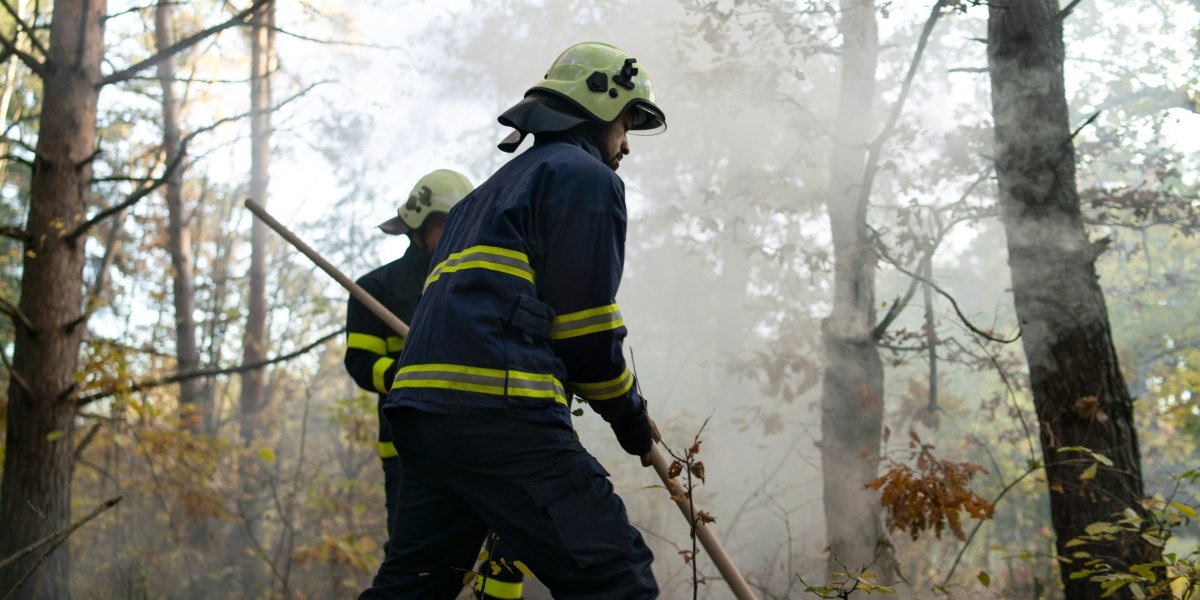
Additionally, extreme weather events, such as wildfires and floods, have increased in frequency. These unpredictable events can destroy habitats in a short time, leaving wildlife without shelter or food. In some cases, species may struggle to recover from the sudden loss of their homes, leading to long-term population declines.
What Are the Effects of Urbanization and Habitat Fragmentation on Wildlife?
Urbanization has had a considerable impact on wildlife in Southern California, as expanding cities often lead to the fragmentation of natural habitats. Habitat fragmentation occurs when large, continuous areas of habitat are broken into smaller, isolated patches by roads, buildings, and other infrastructure. This disrupts the migration routes of many species, which may have to travel through developed areas to find food or mates.
Some species may find it difficult to cross these human-made barriers, limiting their ability to access necessary resources. As a result, animal populations may become more isolated, leading to reduced genetic diversity and increased vulnerability to disease. Urban sprawl has also introduced new challenges, including light and noise pollution, which can disrupt the natural behaviors of wildlife.
In addition, the construction of roads and highways increases the risk of animal-vehicle collisions. For some species, these roads are a major hazard, leading to an increase in mortality rates. The combination of habitat loss and the challenges posed by urban development makes it difficult for some wildlife species to maintain viable populations in certain areas.
How Are Coastal Ecosystems Being Affected by Environmental Changes?
Southern California’s coastal ecosystems, including wetlands, beaches, and rocky shorelines, are facing various environmental pressures, particularly due to climate change and human development. Rising sea levels, a result of climate change, threaten to submerge important coastal habitats, which are crucial for both terrestrial and marine species. As the shoreline erodes, many species lose their habitat, and the loss of marshes and beaches could disrupt breeding cycles for various coastal animals.
Additionally, increased temperatures and changes in ocean chemistry are affecting marine life. Ocean acidification, for instance, occurs when carbon dioxide from the atmosphere dissolves into the ocean, making the water more acidic. This can affect organisms that rely on calcium to build shells, such as crabs and shellfish. These species play an essential role in the coastal food web, and a decline in their numbers could have cascading effects on the entire ecosystem.
Pollution from urban runoff and plastic waste also poses a significant threat to marine species. Chemicals that enter the water through runoff can contaminate the food chain, while plastic debris can entangle or be ingested by marine life. These pollutants may lead to health problems for many coastal species and, in some cases, result in death.
How Are Desert Ecosystems in Southern California Being Affected by Environmental Changes?
Southern California’s desert ecosystems are experiencing some of the most noticeable effects of climate change. The desert, while naturally harsh, has historically been home to a range of species adapted to survive extreme conditions. However, rising temperatures and prolonged droughts are putting stress on both plants and animals that rely on consistent environmental conditions.
The desert tortoise, for instance, depends on a stable temperature and rainfall pattern to thrive. As climate conditions become more erratic, the tortoises may face challenges in finding suitable nesting sites or adequate food sources. Other species, such as the bighorn sheep and various desert reptiles, may also experience difficulty adapting to changes in food availability or habitat conditions.
In addition to the pressures caused by climate change, human activity in desert regions, such as off-road vehicle use and mining, has further impacted these delicate ecosystems. Off-roading, in particular, can damage fragile vegetation and disturb the natural habitats of wildlife. The increasing development of desert areas for energy extraction or residential use poses additional risks to the sustainability of these ecosystems.
What Efforts Are Being Made to Protect Southern California Wildlife?
As the impacts of environmental change become more evident, various organizations, communities, and government agencies are working to address the challenges faced by Southern California’s wildlife. Conservation efforts are being made to protect and restore critical habitats, particularly in areas where human development has had a significant impact.
One approach is the creation of wildlife corridors that help animals navigate between fragmented habitats. These corridors may take the form of overpasses, underpasses, or preserved natural areas that allow wildlife to safely travel between habitats. By providing safe passage, wildlife corridors can help mitigate the effects of habitat fragmentation and improve gene flow between isolated populations.
Restoration projects are also being implemented in several ecosystems, such as wetlands and deserts, to restore lost habitats. These projects focus on replanting native vegetation, controlling invasive species, and addressing water quality issues. Additionally, public awareness campaigns and education about the importance of conservation and sustainable land-use practices are growing in Southern California.
Read also: Wildfire Preparedness: Essential Tips to Protect Your Home and Family
What Challenges Still Remain for Southern California’s Wildlife?
Despite ongoing efforts, many challenges remain for Southern California’s wildlife. Climate change continues to be a driving force in altering habitats and species behavior, and it is difficult to predict how ecosystems will adapt to these changes in the future. The combination of urban development, pollution, and habitat loss also places pressure on wildlife, making it harder for some species to survive in the region.
Efforts to protect and restore habitats are essential, but they will need to be coupled with broader strategies to address the root causes of environmental change, such as reducing carbon emissions and managing urban growth. The complexity of these issues means that solutions will require ongoing collaboration between scientists, conservationists, policymakers, and local communities.