

By: Erik Benson
You’ve seen the photos—white sand beaches lined with loungers, towering all-inclusive resorts, endless buffets. But somewhere deep down, you know that isn’t the Mexico you came for.
You’re craving something different. Something real.
Beyond the crowded resorts of Cancún and Cabo lies a Mexico that pulses with color, resistance, and living tradition. From Zapotec weaving villages in Oaxaca to women-run food collectives in the Tlacolula Valley, there are countless ways to connect with the country’s heart—if you’re willing to step off the beaten path.
For those ready to travel more intentionally, Heart of Travel—a woman-led company offering small group tours in Latin America—curates immersive Mexico experiences rooted in community connection, cultural exchange, and ethical travel principles.
Here are some of Mexico’s most compelling hidden gems, and how to experience them with heart.
Oaxaca: Culture, Cuisine, and Indigenous Wisdom
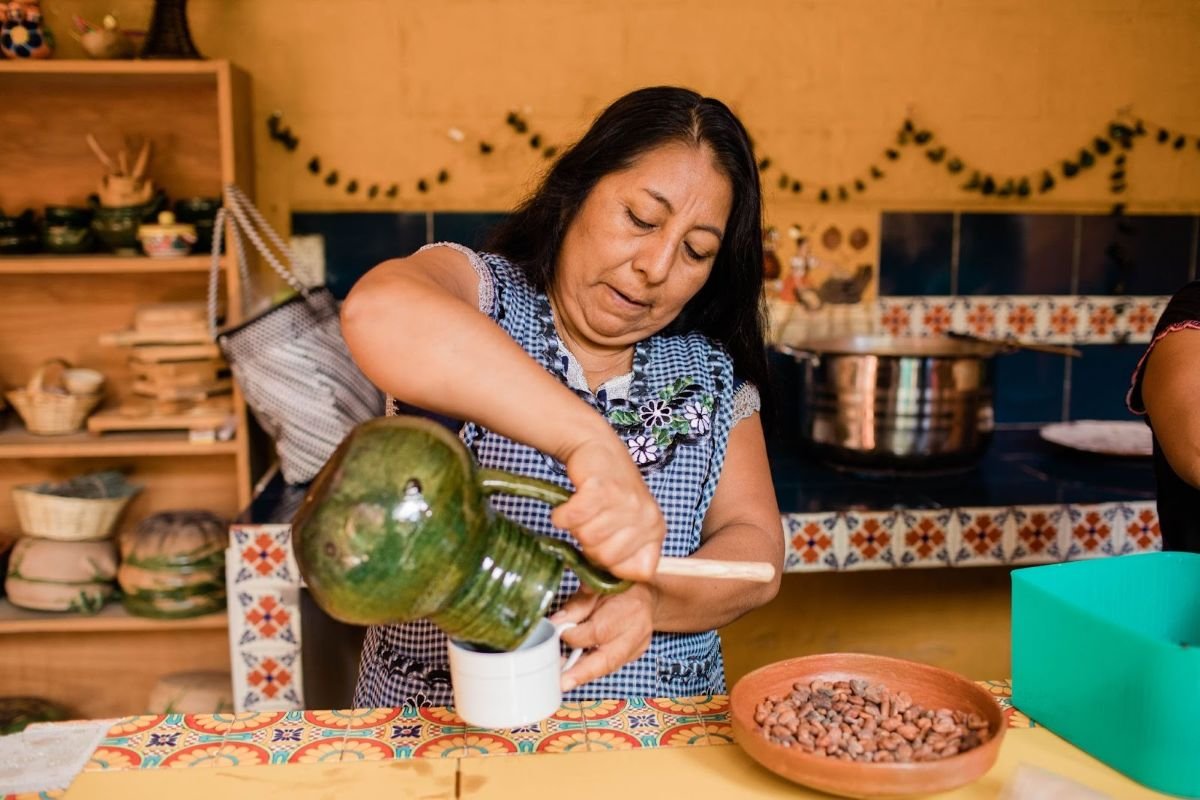
If you want to experience the real Mexico, start in Oaxaca City. This southern cultural capital is home to some of the country’s richest Indigenous traditions. You’ll find markets overflowing with handmade textiles, food stalls offering mole in seven varieties, and streets lined with colorful murals and colonial architecture.
But the real magic happens when you leave the city behind.
Travelers can join weaving cooperatives in Teotitlán del Valle, hike through Zapotec villages in the Sierra Norte, or visit family-run mezcal distilleries in Matatlán. These experiences are more than photo ops—they’re windows into a way of life rooted in land, language, and legacy.
With a guide who knows the region intimately, you can move through Oaxaca as a welcomed guest, not just a passing tourist.
Puebla: Architecture and Artisanal Heritage
Just a few hours from Mexico City, Puebla is one of Mexico’s most culturally rich cities—and still flies under the radar for many travelers.
Known for its colorful Talavera tiles, baroque architecture, and iconic mole poblano, Puebla offers a unique blend of colonial influence and enduring artisanal tradition. Visit the artist quarter of Los Sapos, take a ceramics class with a master craftsperson, or explore the convent kitchens where mole was first created.
In contrast to heavily touristed areas, Puebla offers a more relaxed, grounded way to explore Mexico’s heritage—one where authenticity isn’t curated, it’s lived.
San Cristóbal de las Casas: High-Altitude Soul
In the highlands of Chiapas, the town of San Cristóbal de las Casas offers cobblestone streets, mountain air, and a strong presence of Indigenous Tzotzil and Tzeltal communities.
This is a place where culture runs deep. Markets are filled with handwoven garments, herbal remedies, and handcrafted goods. Women gather in the plazas to sell textiles passed down through generations.
Travelers who want to engage respectfully can visit local cooperatives, attend cultural workshops, or spend a day learning from traditional healers—opportunities that are far more enriching than any resort pool.
Tlacolula Valley: Where Food Meets Resistance
Just outside of Oaxaca City, the Tlacolula Valley is a fertile landscape where ancient farming practices are still alive—and often led by women.
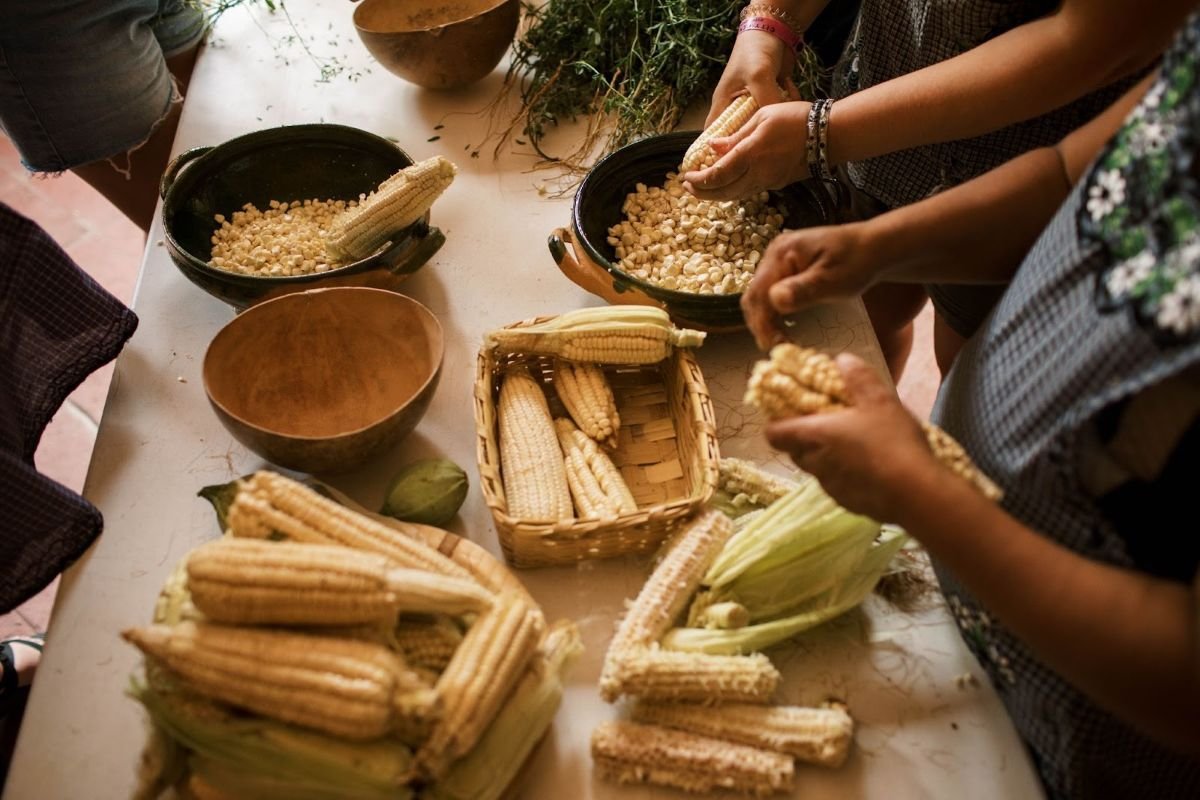
This is where the milpa system (corn, beans, and squash) is practiced not as nostalgia, but as a living act of resistance. Travelers can join tortilla-making workshops over clay comales, visit regenerative farms, and take part in seasonal celebrations that center around land, language, and collective memory.
Through collaborations with local cooperatives, Heart of Travel creates opportunities to learn about food justice, sustainability, and community leadership in ways that are participatory, not performative.
Tips for Exploring Mexico Authentically
Traveling beyond the resorts requires a shift in mindset. It asks you to slow down, listen more than you speak, and build relationships with the people who live where you’re visiting.
Here are a few guiding principles for real Mexico travel:
Go local. Stay in guesthouses, eat in neighborhood markets, and book with community-led tour groups.
Learn basic Spanish. Even a few words open doors and show respect.
Ask permission. Whether taking photos, visiting sacred sites, or entering artisan workshops, respect is key.
Be flexible. Not everything will run on tourist time—and that’s part of the beauty.
Support women-led businesses. Many of Mexico’s most powerful cultural keepers are women leading small collectives and social enterprises.
Why This Kind of Travel Matters
Tourism has the power to uplift—or to erase. When done with intention, travel can become a vehicle for cultural preservation, economic empowerment, and cross-cultural learning.
In many of Mexico’s most remarkable regions, communities are resisting cultural homogenization and reclaiming their stories through food, art, and land stewardship. Ethical travel helps amplify those efforts—not overshadow them.
Heart of Travel was built to support this vision. With small group cultural tours in Mexico, the company collaborates directly with local artisans, educators, and change-makers, ensuring that each experience benefits both the traveler and the host.
Where to Start
If you’re ready to explore Mexico differently, consider joining a trip with Heart of Travel. Their upcoming departures in Oaxaca and Chiapas include:
- Market visits and cooking classes with women chefs
- Artisan workshops in textiles, pottery, and natural dyeing
- Farm tours focused on sustainable agriculture
- Cultural exchange with Indigenous cooperatives
- Lodging in family-run boutique hotels and eco-stays
These experiences are not about checking boxes—they’re about expanding your worldview.
To learn more or browse upcoming itineraries, visit heartoftravel.org.