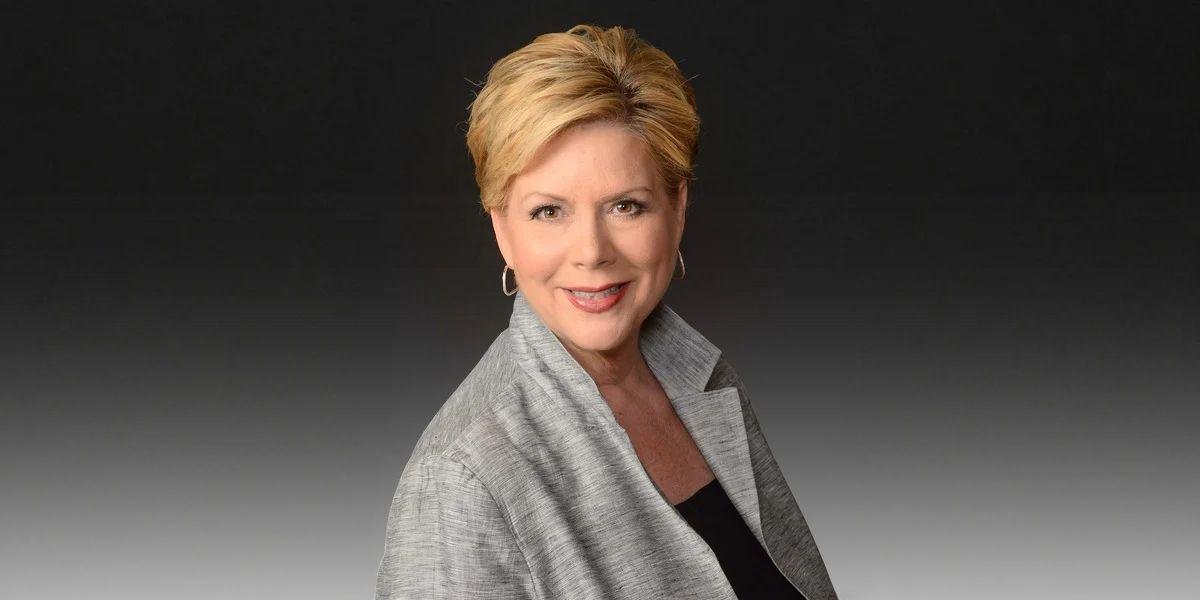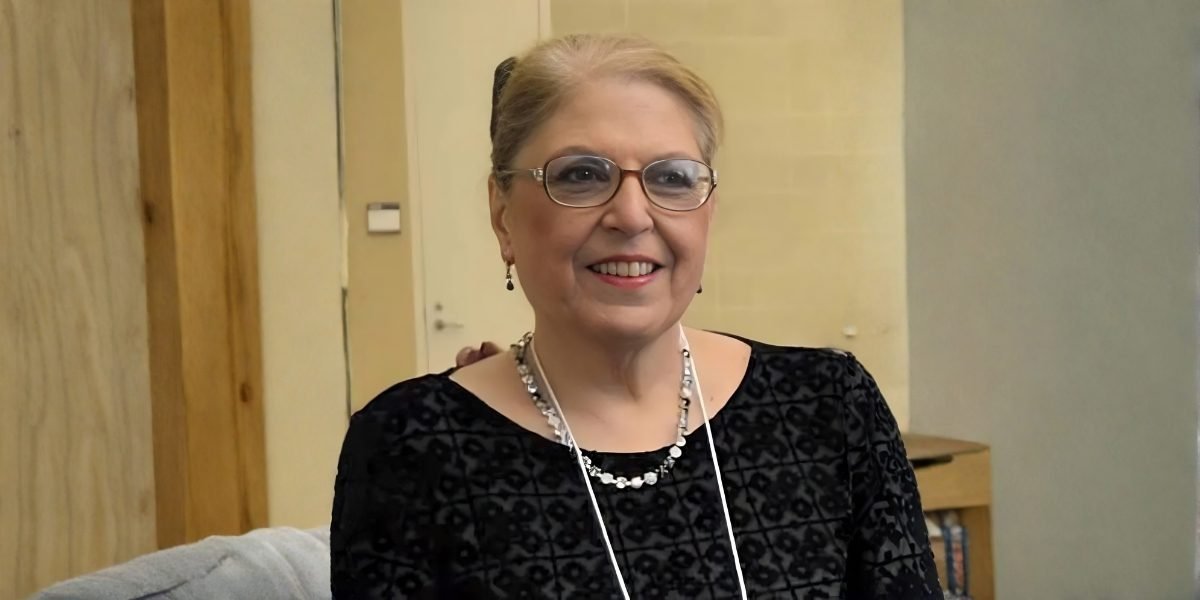

Deck: Irene Tunanidas spent forty years caring for other people’s children. Then she spent three years caring for her mother. Nobody asked how she was doing either time.
Long before family caregiving became a talking point in health policy circles, Irene Tunanidas was living it. She was managing her quadriplegic mother’s complete medical care at home in Youngstown, Ohio. She was working a part-time tutoring job at the same time. She was doing both without a consistent support system, and after her most reliable paid aide left for a job with better benefits, she was doing both almost entirely alone.
She was not exceptional in this. She was typical. And that is exactly the problem.
Two Kinds of Caregiving, One Lifetime
Irene’s caregiving story has two chapters, and most people hear about only one.
The first chapter spans forty years. For more than three decades in Youngstown City Schools and another ten at Poland Local Schools, Irene showed up for children who needed someone to advocate for them, teach them, and hold them to a standard their circumstances might otherwise have prevented them from reaching. Professional caregiving of that kind is recognized, compensated, and given a framework. There is a curriculum. There are colleagues. There is a paycheck.
The second chapter is the one that does not come with any of those things. In October 2003, her mother, Zenovia, fell backward into a basement at a local monument shop and became a quadriplegic at eighty-one years old. Irene became her full-time caregiver overnight. There was no training, no handbook, no salary, and no one from any government agency calling to ask what she needed.
She figured it out the way most family caregivers do. On the job, under pressure, with whatever resources she could find on her own.
What Cookie Made Possible, and What Happened When She Left
For a period during those three years, Irene had help. An aide she refers to as Cookie came to the house regularly and provided the kind of support that made the caregiving load manageable. Cookie knew Zenovia. She knew the routines. She knew how to help with the physical demands of care in a way that gave Irene room to breathe, to work, to function as more than a full-time medical attendant.
Then Cookie left. She found a position with better pay and benefits, which is completely reasonable for a person to do. But when she left, she took with her the one consistent layer of support Irene had. No government program stepped in to replace what Cookie had provided. No agency sent a substitute with comparable skill or familiarity. The care continued, and Irene absorbed its full weight.
This is one of the most underreported dynamics in family caregiving. The informal support structures that make the situation survivable are fragile and unprotected. When they break down, the family caregiver absorbs the loss without any systemic acknowledgment of the loss.
The Physical Weight of Managing a Quadriplegic at Home
The day-to-day reality of caring for a quadriplegic parent at home is not something most people have a clear picture of, and the gap between assumption and reality matters for how society understands and responds to family caregiving.
Irene bathed her mother in bed every day. She dressed her, fed her, and managed catheter care. When her mother developed irritable bowel syndrome following multiple hospitalizations, she learned to change ostomy bags. She used a Hoyer lift to transfer her mother from the hospital bed to her wheelchair every morning and back again every night. She monitored her mother’s electrolyte levels and researched home health management online to stay ahead of complications.
She also drove a secondhand ambulance that they had purchased specifically because no other vehicle could accommodate her mother’s medical equipment and wheelchair. She checked on her mother after midnight most nights before going to bed herself. She did all of this while holding down a part-time tutoring job, because the bills did not pause for the caregiving.
This was not a modified version of normal life. It was a second full-time job with no compensation, no overtime, and no end date visible from where she was standing.
The Cost That Does Not Show Up in Any Budget
The economic cost of informal family caregiving in the United States is enormous and largely invisible in public accounting. Family caregivers provide billions of hours of unpaid labor every year, labor that would otherwise fall to the formal healthcare system at a cost that system is not currently equipped to absorb.
But the economic cost is only part of what Irene’s story illustrates. The other part is harder to quantify.
When Zenovia died on January 2, 2007, Irene did not receive a transition plan, a referral to grief support, or a follow-up call from any of the medical or social service agencies that had been peripherally involved in her mother’s care. The visiting nurses who had come to the house twice a week stopped coming. The structure that had organized Irene’s days for three years disappeared overnight. What remained was a house full of medical equipment, a profound silence, and a grief that had nowhere to go.
She cried almost every day for months. She did not leave the house. Her sister had moved to Florida. Her brother was not nearby. A neighbor offered help, but Irene was too deep inside the grief to accept it. Nobody from any formal system checked on her. That is not an oversight unique to her situation. It is the norm.
A System That Lets Caregivers Fall Through
The United States has more than 53 million unpaid family caregivers. Most of them are managing the care of an aging parent, a spouse with a chronic illness, or a child with a disability. Most of them are doing it with inadequate support, limited financial resources, and no clear pathway to help when the load becomes unmanageable.
Policy conversations about caregiving tend to focus on the person receiving care. The caregiver is the background figure, the one assumed to be managing because the person they care for appears to be managed. What Irene’s experience makes visible is how incomplete that picture is.
She held everything together for three years. She did it with skill, with love, and with almost no help from the systems nominally meant to support people in her situation. When her mother died, those systems had nothing left to offer her. The caregiving was over. The caregiver still needed care. Nobody came.
That gap is not a gap in one woman’s story. It is a structural failure that plays out across millions of households every year, quietly, without a policy response proportional to its scale.

What Writing It Down Eventually Gave Her
Rising From the Abyss of Grief grew directly out of the years Irene spent as a caregiver and the years she spent afterward trying to find her footing again. She started writing in 2011 as a way of processing what those years had cost her and what she had learned from them. The book is part memoir and part 30-day devotional, written for anyone navigating the kind of loss that does not come with a recovery timeline.
For caregivers specifically, the book offers something the policy conversation rarely does. It acknowledges the full weight of what they have been carrying, not just the physical tasks but the identity loss, the loneliness, and the disorientation that follows when the caregiving ends and there is nothing left to organize the days around. Irene does not tell readers how to feel or how fast to heal. She tells them what it actually looked like from inside, and she gives them a structure for moving forward one day at a time.
That is not a substitute for the systemic support that family caregivers need and are not getting. But it is a starting point. And for the millions of people currently in some version of what Irene lived through, a starting point is nothing.
Bringing the Conversation to a Wider Audience
This year, Irene Tunanidas appeared on WDTN-TV’s Living Dayton segment, sharing her story through a sign language interpreter with a regional television audience. The appearance brought public attention to a life largely lived outside the spotlight and to a conversation about caregiving and grief that does not receive enough honest coverage in mainstream media.
For a socially conscious audience, her story is not just personal. It is a window into a public health issue that affects tens of millions of Americans and receives a fraction of the attention it deserves. Irene did not go on television to make a policy argument. She went to tell the truth about what she lived through. The policy implications are there for anyone willing to follow them.
Irene Tunanidas documented the actual cost of caregiving and grief in Rising From the Abyss of Grief. It is available now, and it was written for everyone that the system forgot to check on.