
Growing concerns about the safety of environmental policies have heightened attention to the impact of rodent control products and techniques on animal and human health in both residential and commercial settings. In the past, toxins and other toxic substances were accepted as effective ways to control rodents in homes and office spaces. However, the United States Environmental Protection Agency has published research indicating that rodenticides pose hazards to other animals (dogs and cats) and to humans who may come into contact with or use the poison or its residues left by this method of rodent control. As awareness of the hazards associated with poison-based rodent control has grown among communities and property owners, interest in non-toxic approaches to rodent control in the United States has increased.
This broader shift has taken place during a period when expectations for building maintenance have also changed. Many property managers now incorporate environmental considerations into their operational decisions, partly because tenants and regulatory bodies encourage safer approaches whenever possible. In pest control, this has pushed some organizations to explore preventive solutions that focus on building integrity rather than chemical cycles. At the same time, homeowners have become more aware of the consequences of poison-based rodent control, especially in neighborhoods where pets and children might come across bait stations or dead rodents exposed to toxins.
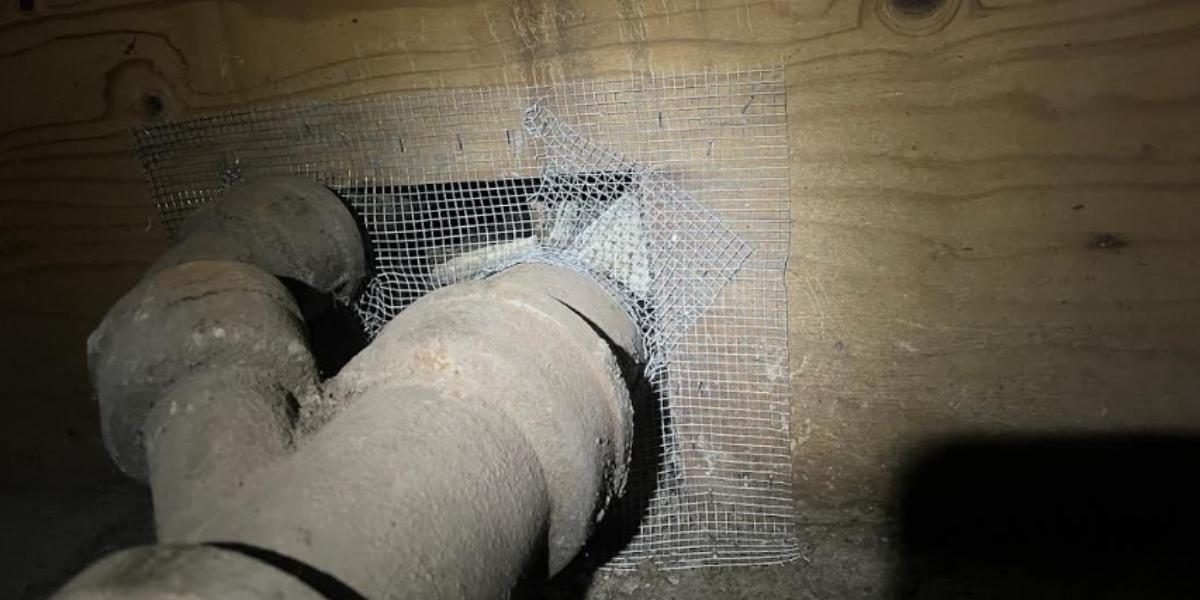
Within this changing landscape, Myzzer Rodent Exclusion developed its identity as a company that avoids poisons and pesticides entirely. Founded in 2003 in Seattle by Chris Sean, the organization established its methods around physical exclusion and structural repair. This approach aligned with growing public interest in chemical-free alternatives, particularly in the western United States, where environmental awareness has shaped several local policies over the past two decades. From its earliest years, the company focused on closing entry points, removing rodents trapped inside structures, and repairing insulation or building damage caused by ongoing infestations.
The central idea behind this model was that long-term rodent control can be achieved through sealing and prevention rather than repeated exposure to toxic substances. Sean developed a system that avoided bait entirely, setting the organization apart from most extermination services operating in the early 2000s. As the program expanded, the company recorded work on more than 50,000 properties across Seattle, Los Angeles, and Las Vegas. This number reflects extensive fieldwork in regions where dense populations, older buildings, and comprehensive utility networks influence rodent activity.
One of the primary environmental benefits of chemical-free rodent control is reduced secondary poisoning. Wildlife studies from organizations such as state fish and game departments have documented that predators, including hawks, owls, and coyotes, can ingest rodenticides indirectly when feeding on poisoned rodents. These findings contributed to policy discussions in multiple Western states, where some rodenticides were later restricted. Building owners seeking to comply with changing standards began exploring alternatives, creating opportunities for companies that used exclusion rather than chemical application.
Human and pet safety is another factor influencing the shift toward non-toxic methods. Accidental exposure to rodenticide can result in medical emergencies for pets, and households with children have shown increased interest in approaches that remove the possibility of contact with chemical bait. Myzzer Rodent Exclusion entered this conversation early by presenting a service model that avoided these risks. However, the company’s stance was more based on operational preference than on public messaging. Its work centered on practical construction techniques rather than advocacy, although the results aligned with the environmental and safety interests of many clients.
The organization’s influence on the broader market stems from its demonstration that rodent control can be effective without relying on poisons. As property managers observed the results of exclusion work, some began asking other contractors for similar services, eventually influencing pest control companies to expand their offerings. While the market still includes many exterminators who use bait, exclusion-based companies have grown in response to increased demand. This trend is visible in professional forums, facility management conferences, and maintenance programs where preventive building practices have become regular points of discussion.
Innovation within the company’s service structure helped differentiate it as the pest control market evolved. The focus on identifying small structural openings required detailed inspection methods, often involving attic spaces, crawl spaces, rooflines, and utility junctions. Sean’s approach emphasized careful documentation of entry points and the use of materials that could withstand long-term exposure. This created a form of rodent management that resembled a construction service more than a pest control method. The inclusion of repair work added another layer to the program because many infestations create insulation damage, chew marks on wiring, or droppings that need removal.
The environmental aspect of these repairs is also part of the broader conversation. Older insulation materials that become contaminated often need replacement, and doing this work without chemical sprays or residue aligns with building standards adopted by many municipalities. Some cities in the western United States have issued guidelines encouraging non-toxic building maintenance practices, thereby contributing to the broader acceptance of exclusion-based rodent control. In this context, Myzzer Rodent Exclusion’s philosophy matches the trend toward healthier building environments.
Another factor influencing the company’s market position is the variety of clients who choose to avoid chemical treatments. Homeowners may prefer non-toxic solutions for personal reasons, while policy requirements may guide city agencies. Military facilities sometimes avoid poisons to protect working animals and equipment zones. Cell tower operators may favor exclusion methods to protect sensitive electronics without introducing corrosive or reactive substances. These different motivations show how environmental considerations have reached several fields at once.
Market competition in the pest control industry remains strong, and many companies continue to use traditional methods because they are familiar, relatively inexpensive, and widely regulated. Myzzer Rodent Exclusion occupies a different position by offering a preventive model that appeals to clients with long-term maintenance goals. Its environmental contribution lies less in public messaging and more in the cumulative effect of avoiding poisons across tens of thousands of serviced properties. That impact suggests a gradual shift in expectations for how rodent control can be managed in urban and suburban environments.
Over the past 20 years, Myzzer Rodent Exclusion has contributed to broader awareness of chemical-free pest management. Its work, shaped by Chris Sean’s approach, reflects the practical application of environmentally conscious principles in an industry that has often relied on toxic substances. As the company continues to serve clients across different sectors, its methods show how preventive strategies can influence industry standards and support long-term changes in rodent control practices across the western United States.