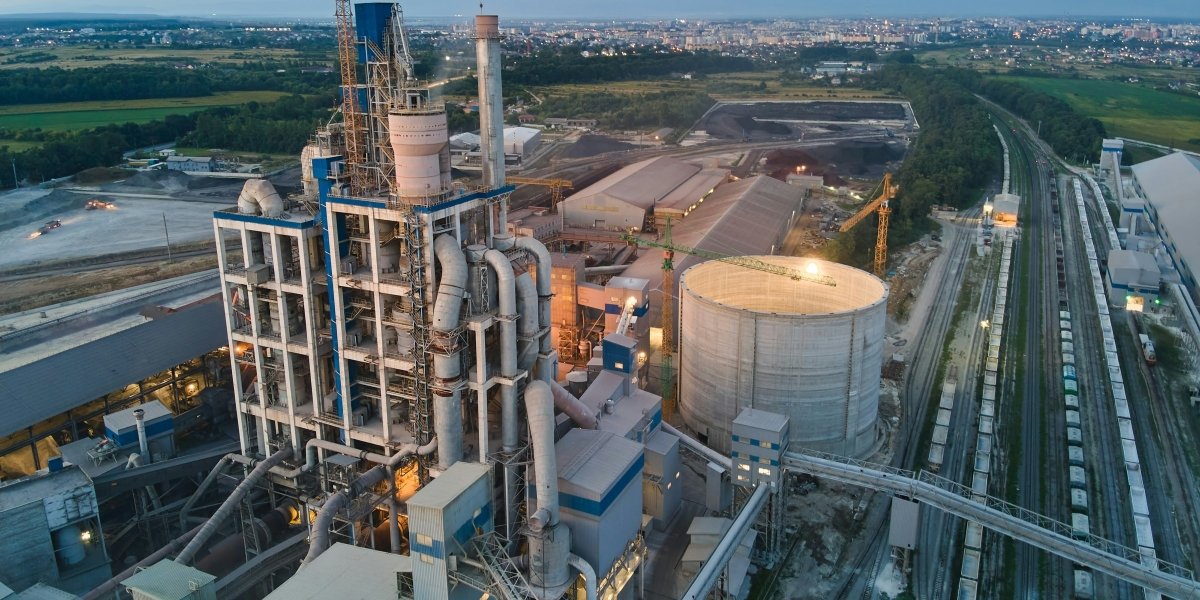

The energy industry in California is entering a period of transition as the Valero Benicia refinery prepares to end its refining operations by the end of April 2026. This move follows the late 2025 closure of the Phillips 66 Wilmington refinery in the Los Angeles area. Together, these departures represent a meaningful change in how the state produces and acquires its transportation fuels.
Understanding the Capacity Shift
The Valero Benicia facility, which processes approximately 145,000 barrels of crude oil per day, has been a central component of Northern California’s fuel infrastructure. When combined with the loss of the Wilmington plant, the impact on regional production is notable:
-
California Capacity: These two facilities represent roughly 17% to 18% of the state’s total refining capacity.
-
West Coast Capacity: The closures account for 11% of the broader West Coast refining market.
-
National Context: While significant for California, these plants represent less than 2% of the total refining capacity in the United States.
Because California is geographically isolated from the major pipeline networks of the Gulf Coast and Midwest, the state relies almost entirely on its own refineries or maritime imports. The removal of nearly a fifth of the state’s internal production creates a new reliance on international supply chains.
The Import Model and CARBOB Challenges
With domestic production declining, California must look toward international markets to maintain its fuel supply. According to data from the U.S. Energy Information Administration (EIA), the most likely source for replacement gasoline and jet fuel will be refineries in Asia.
However, this transition is complicated by California’s unique environmental standards. The state requires a specific gasoline blend known as CARBOB (California Reformulated Gasoline Blendstock for Oxygenate Blending). Only a limited number of refineries worldwide are currently equipped to produce this specific blend.
This reliance on a narrow set of international producers introduces several variables:
-
Transport Times: Fuel shipped from Asian hubs takes significantly longer to reach California ports than fuel produced in-state.
-
Market Volatility: Imports are subject to global shipping rates and geopolitical shifts that can influence pricing.
-
Port Capacity: The state must ensure that its ports are prepared to handle the increased volume of finished fuel imports rather than the raw crude oil these facilities once processed.
National Security and Military Readiness
The closure of the Benicia refinery also brings national security considerations into focus. California currently hosts more than 30 military bases, including major Air Force and Army installations that rely on consistent, localized fuel production.
Installations such as Travis Air Force Base have historically relied on Northern California refineries for jet fuel. Lawmakers at both the state and federal levels have expressed concern that a move toward an “import-heavy” model could leave these critical facilities vulnerable to supply chain disruptions. Maintaining a reliable supply for the Department of Defense is a priority that remains under discussion as the state moves away from its traditional refining infrastructure.
The Policy Gap and Economic Impact
Despite the scheduled shutdown of two major refineries within a six-month window, experts note that California lacks a comprehensive system-wide plan to manage this transition. A report from the Common Health Coalition and various energy analysts suggests that the state must act immediately to expand import capacity and update its energy policy to avoid supply imbalances.
Economic Factors
The closure of the Benicia facility is expected to have a direct impact on the local economy:
-
Tax Revenue: The City of Benicia faces a potential loss of over $10 million in annual tax revenue.
-
Employment: Hundreds of high-wage, unionized positions at the refinery will be eliminated, affecting the regional blue-collar workforce.
-
Infrastructure: The conversion of the site from an active refinery to potentially a storage terminal or other industrial use requires significant long-term planning.
Moving Toward a New Energy Reality
Supporters of California’s energy transition argue that the closure of these refineries reflects a long-term decline in fossil fuel demand as the state shifts toward electrification. However, the current reality is that California remains the second-largest consumer of gasoline and the largest consumer of jet fuel in the United States.
The challenge for policymakers in 2026 is balancing environmental goals with the immediate need for a stable fuel market. Without an active plan to address the 18% loss in refining capacity, the state may face increased price volatility during peak demand seasons, such as the summer driving months.
As the Valero Benicia refinery winds down its operations this April, the focus shifts to how the state will manage its logistics and infrastructure. The transition from a production-based model to an import-reliant one will serve as a test for California’s energy resilience and its ability to maintain a functional supply chain for its residents, its economy, and its military presence.
Disclaimer: Some source material referenced in this topic brief includes a secondary news aggregator (Energynews.today) and an expert opinion blog (UC Berkeley Energy Institute at Haas). Before publishing, verify the military base and national security claims directly against official congressional press releases or U.S. Energy Information Administration (EIA) reports. Gas price projections cited in background research reflect analyst modeling and worst-case scenarios — not confirmed outcomes — and must be clearly labeled as estimates if referenced in the article.