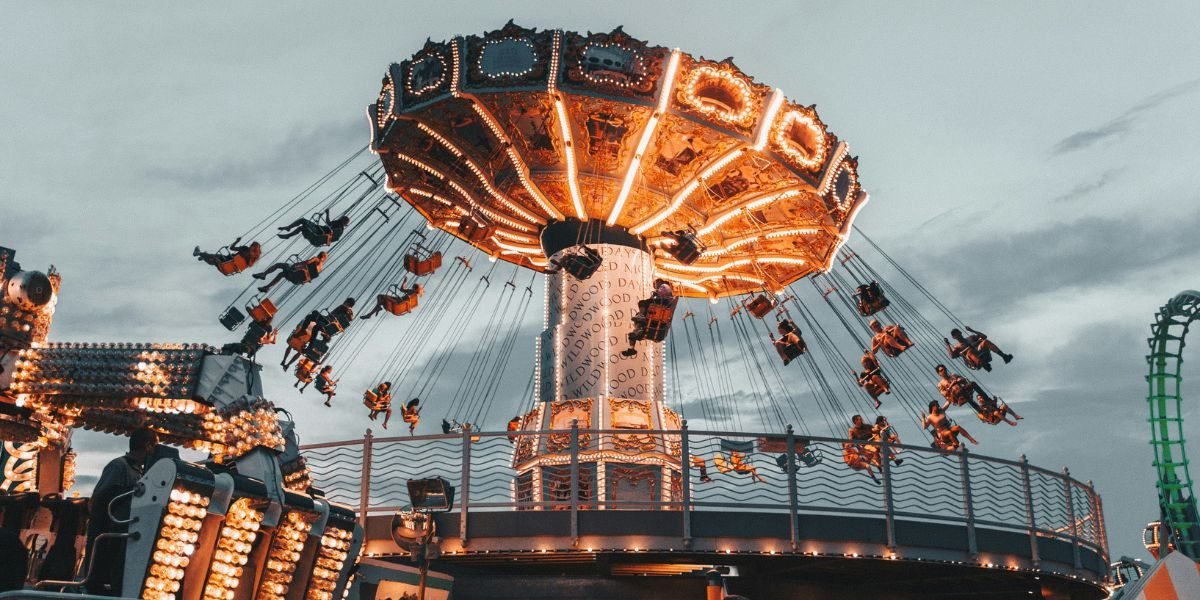

Amusement park injuries fall under a broader area of law known as premises liability. When a guest is hurt or killed due to a hazardous condition on a property, the owner or operator may be held financially responsible. Rollercoaster incidents can involve mechanical failure, poor maintenance, inadequate safety inspections, or operator error, and each factor can affect who may be found liable. A personal injury attorney can help injured guests and grieving families investigate what happened, gather evidence, and recover compensation from responsible parties.
What Is a Premises Liability Claim?
A premises liability claim allows an injured person to obtain compensation from a property owner or operator whose negligence caused an accident. These claims are common after slip-and-fall accidents, but they also apply to amusement parks, water parks, and other venues that welcome large numbers of visitors. To succeed in this type of claim, an injured guest generally needs to show that the property owner owed a duty of care, that the owner failed to meet that duty, and that this failure directly caused the injury.
Amusement parks are held to a high standard because they invite the public onto their property for a fee. These parks are expected to inspect rides regularly, train staff properly, and repair known hazards before they cause harm. When a park ignores these responsibilities, injured guests may have grounds to pursue legal claims.
When Can an Amusement Park Be Held at Fault for a Guest’s Injuries?
In many states, property owners owe visitors different standards of care. The three main categories of visitors are invitees, licensees, and trespassers, and the law treats each group differently.
An invitee is someone invited onto the property for a purpose connected to the owner’s business, such as a paying park guest. A licensee is someone allowed on the property but not there for a business purpose, such as a social guest. A trespasser is someone on the property without permission. In most states, property owners owe invitees the highest duty of care, licensees a lesser duty, and trespassers the least protection, though some exceptions apply when children are involved.
California, for example, takes a different approach than many other states. Rather than sorting visitors into rigid categories of invitees, licensees, and trespassers, California law asks whether a property owner acted with reasonable care under the circumstances. For an amusement park, this generally means the park must take reasonable steps to inspect its rides, identify hazards, and address known dangers before they cause harm.
How Much Is a Premises Liability Claim Worth?
The total monetary value of a premises liability claim depends on the severity of the injury and the financial and personal impact it has on the victim or their family. Several factors can influence the final value of a claim, including:
● The costs of emergency care, surgery, hospitalization, and ongoing medical treatment
● Lost wages if the injury prevented the victim from working
● Loss of future earning capacity in cases involving permanent injury or death
● Pain, suffering, and emotional distress experienced by the victim
● Funeral and burial expenses in wrongful death cases
● Loss of companionship and support for surviving family members in wrongful death cases
Some state laws also cap compensation for certain types of damages, like pain and suffering. An experienced personal injury lawyer can review medical records, information about financial losses, and other evidence to help estimate a fair value for a claim before pursuing a settlement or filing a lawsuit.
Manufacturer and Maintenance Provider Liability in Amusement Park Injury Claims
Amusement parks are not always the only parties responsible when a rollercoaster injury occurs. Rollercoasters are complex machines built from parts supplied by different manufacturers, and any one of these parts can fail due to a design flaw or manufacturing defect. If a defective part contributed to an accident, the manufacturer of that part may share liability alongside the park.
Third-party maintenance providers can also bear responsibility if they perform inspections or repairs on behalf of the park. A maintenance company that has skipped required checks, overlooked worn parts, or performed substandard repairs can be held accountable if their negligence contributed to an injury or death. Identifying every liable party often requires a detailed investigation into maintenance logs, inspection records, and communications between the park and its contractors.
What Families Should Know About Amusement Park Injury Claims
Families that pursue claims after amusement park injuries or deaths should act quickly, since every state sets a statute of limitations that limits how long a person has to file a lawsuit. Waiting too long to take legal action can result in losing the right to pursue compensation altogether.
Families should also be careful when speaking with a park’s insurance company. Insurance adjusters may reach out shortly after an accident and ask for a recorded statement or make a quick settlement offer. These early offers are often lower than what a claim may actually be worth, and a recorded statement can be used later to dispute the extent of an injury. Speaking with an attorney before responding to an insurance company can help protect a family’s right to fair compensation.
Disclaimer: The content in this article is provided for general knowledge. It does not constitute legal advice, and readers should seek advice from qualified legal professionals regarding particular cases or situations.