

Gardening and landscaping bring more than curb appeal—they offer a refreshing way to recharge, relieve stress, and reconnect with nature. Whether it’s tending a few pots on a balcony or cultivating a backyard garden, working with plants encourages mindfulness and physical activity, both linked to improved mental health and focus.
Experts say gardening combines natural movement, sensory engagement, and exposure to sunlight—three factors that can help lower anxiety and improve clarity. For many women balancing work, family, and personal time, spending even a few minutes outside nurturing plants offers calm and renewal that technology-heavy routines rarely provide.
It’s not about creating perfect gardens or grand designs. The goal is to develop a space—big or small—that restores energy, encourages fresh air, and gently shifts attention away from daily stressors.
How Gardening Affects the Mind and Body
Gardening naturally blends moderate exercise with relaxation. Activities like digging, pruning, or planting stimulate blood flow while engaging the senses. A review published in the National Library of Medicine found that participating in gardening activities improved psychological well-being across age groups, including reductions in anxiety and depression symptoms.
Planting and nurturing also produce tangible progress, which can lift mood and improve motivation. Researchers at the Mayo Clinic Health System note that outdoor physical activity—including gardening—can ease symptoms of stress by triggering the brain’s release of endorphins.
Sunlight exposure further supports mood regulation by boosting vitamin D levels, which play a role in immune and mental health. Combined, these factors make gardening a simple, accessible way to promote both physical movement and mental balance.
Why Landscaping Adds to Wellbeing
Landscaping involves organizing outdoor space for comfort and function—through plant placement, ground cover, and design elements like paths or seating. Even modest landscaping improvements, such as adding flowering plants or herbs near an entrance, can transform how a space feels and how people interact with it.
A systematic review in BMC Systematic Reviews reported that gardening and horticultural activities significantly enhanced wellbeing and life satisfaction by creating structured, intentional outdoor environments. This structure helps promote calmness, as spaces that are visually ordered tend to lower mental load and support focus.
Thoughtful landscaping also enhances social connection. Inviting spaces—such as patios or shaded corners—encourage conversation, shared meals, or outdoor rest, reinforcing the link between environment and emotional wellness.
Simple Ways to Begin Gardening
Starting small makes gardening more approachable. A few pots of herbs on a balcony, a single raised bed, or a windowsill planter can bring meaningful change. Small projects are easier to manage and build confidence before expanding.
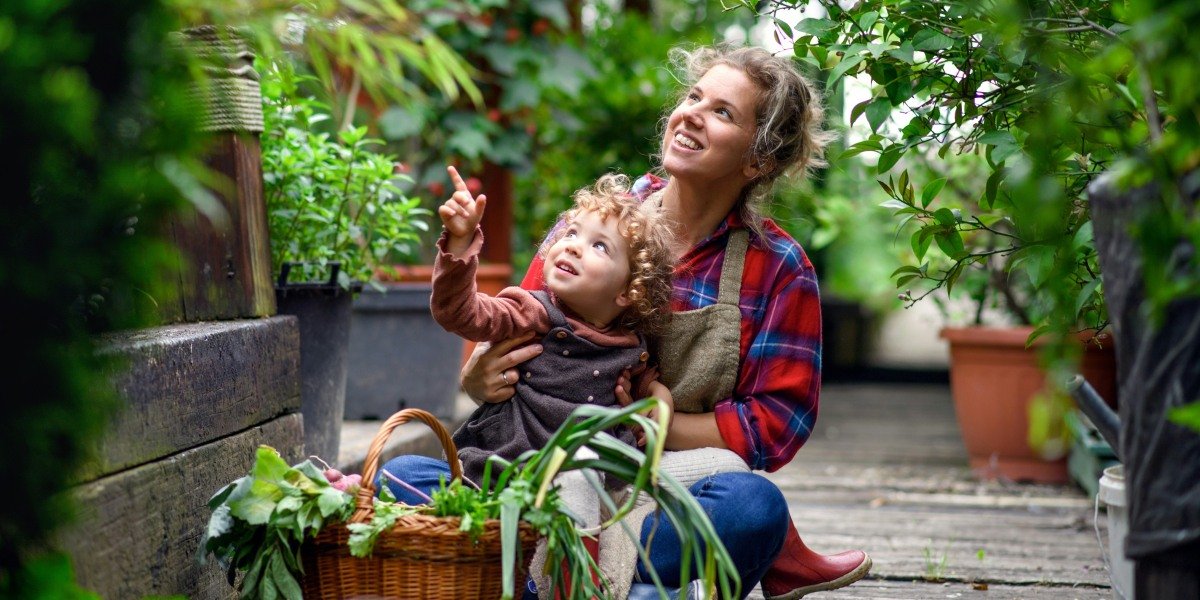
Select plants that match the local climate and your schedule—succulents for dry regions, leafy greens for frequent harvests, or low-maintenance perennials if time is limited. Setting a routine, even just ten minutes every other day, helps form consistency and keeps plants thriving.
Container gardens or compact planters are ideal for urban dwellers. They add greenery to limited spaces and can be adjusted seasonally. As confidence grows, incorporating native plants or pollinator-friendly flowers can enhance biodiversity while keeping maintenance reasonable.
How Gardening Improves Focus and Reduces Stress
Hands-on contact with soil can quiet racing thoughts and improve concentration. Gardening requires presence—observing details like leaf texture, soil moisture, or new growth—and this mindfulness can help shift attention away from digital or work-related overstimulation.
According to Harvard T.H. Chan School of Public Health, gardening supports both physical and mental health by promoting relaxation, improving nutrition, and creating a sense of control in daily routines. It can serve as a grounding practice that helps regulate breathing and focus, especially when done regularly.
When the environment feels calm, the nervous system responds. The combination of fresh air, natural scents, and steady motion helps reduce cortisol levels, making the mind feel lighter and the body less tense.
Integrating Gardening Into Everyday Life
Gardening doesn’t have to be an all-day task—it can be seamlessly woven into everyday routines. Many people find short morning or evening sessions most effective, as they align with natural light and temperature patterns. Setting aside time during calm parts of the day turns gardening into a ritual rather than a chore.
If outdoor space is limited, indoor gardens offer similar benefits. Herbs like basil and mint, or small flowering plants, can thrive in natural light near windows. Indoor planting combines the sensory benefits of gardening with easy accessibility for busy schedules.
Working with plants also supports social and family connections. Shared garden projects—such as growing vegetables together or maintaining a small flower bed—build collaboration and a sense of accomplishment across generations.
Long-Term Benefits of Gardening and Landscaping
Consistency brings the most lasting rewards. Over time, gardens evolve, teaching patience and observation. Watching a seedling grow into a mature plant provides gentle reminders of persistence and adaptability—traits that can ease stress when applied to daily life.
Gardening can also improve long-term health by encouraging physical activity, balanced eating, and better sleep. Regular exposure to outdoor light helps regulate circadian rhythms, while the calming effect of repetitive tasks—watering, trimming, harvesting—creates an outlet for mindfulness.
As personal routines shift with time, gardens adapt, too. What begins as a few pots of herbs can expand into raised beds or decorative landscaping. Each stage continues to serve as a personal and environmental investment in wellbeing.
A Sustainable Habit for Health and Happiness
The true value of gardening lies in its accessibility and balance. It combines gentle physical effort, creativity, and mental restoration. Unlike short-term wellness trends, gardening offers visible, lasting results that encourage continued engagement.
For readers looking to reduce stress, refocus attention, or reconnect with nature, the act of planting something tangible provides stability. Gardening reminds people that growth—both literal and emotional—happens slowly, through care, patience, and presence.
By treating gardening and landscaping as ongoing companions rather than occasional projects, anyone can cultivate freshness, purpose, and calm in their daily life.