

By: Jon Grishpul
Consumer protection AI tools emerge as contractor bid transparency concerns mount statewide
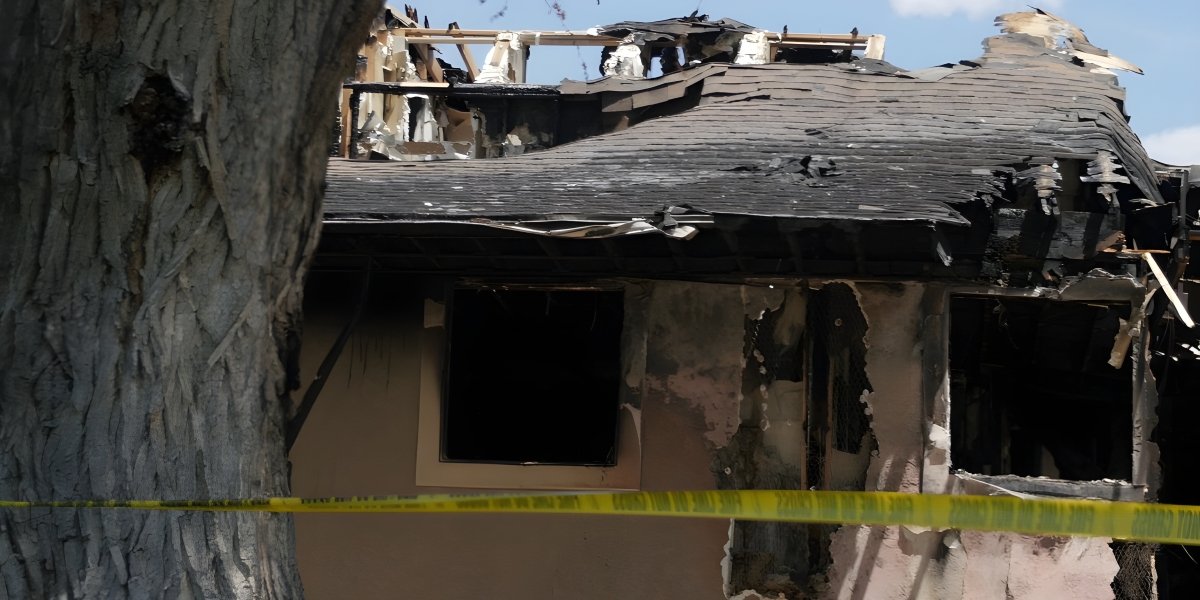
California has always lived with fire season as a fact of life, but the last few years have made the stakes feel different. Entire neighborhoods have been displaced, families have navigated temporary housing for far too long, and communities have learned that recovery is not a moment. It is a long sequence of decisions, each with a price tag and a deadline.
In that environment, it is easy to focus on the obvious costs: materials, labor, permitting, and the logistics of rebuilding. Yet the quieter issue undermining recovery across the state is not only that construction costs are rising. Many homeowners are accepting contractor bids that appear competitive at first glance but are not truly comparable, not fully scoped, and not transparent enough to protect the people signing them.
Wildfires did not create this problem, but they have exposed it at scale. Homeowners rebuilding after a fire are doing what any rational person would do. They collect multiple bids, select the lowest that appears to cover the project, and assume the details will be worked out once construction starts. That assumption is where budgets break.
National data indicate that a significant number of renovation projects exceed their budgets, with many homeowners experiencing unexpected cost overruns due to unclear or incomplete contractor proposals. In California, where demand is elevated, labor is constrained, and insurance coverage often falls short, the consequences are amplified. When the proposal is vague, missing, or inconsistent, the homeowner becomes the de facto project manager without realizing it, and the bill arrives later through change orders and scope add-ons.
The California rebuild environment exacerbates this dynamic. A low bid that excludes demolition, debris removal, site prep, permitting, utility work, or cleanup can look like a bargain until the first inspection, the first permit requirement, or the first line item the contractor says was never included. Tens of thousands of dollars can appear unavoidable, not because the contractor is always acting in bad faith, but because the industry has normalized bids that are not designed for consumer clarity.
This is why wildfire recovery is now a broader consumer protection story. The same pitfalls that derail a rebuild can also derail a kitchen renovation in the Bay Area, a roof replacement in San Diego, or an aging-home refresh in the Central Valley. California homeowners are navigating one of the most complex and expensive construction environments in decades, and many are doing it with proposals that read more like placeholders than plans.
The Proposal Problem: When “Competitive” Is Not the Same as “Complete”
Contractor bids are not standardized documents. Two general contractors can review the same project goals and produce return estimates that are formatted, structured, and scoped differently. One might itemize by trade. Another might provide a lump sum. One may include allowances for fixtures, finishes, and materials. Another may specify brands, quantities, and performance levels. On paper, it appears to be a simple price comparison. In reality, it is often an apples-to-oranges comparison that leaves homeowners vulnerable to accepting an incomplete bid.
The most costly omissions tend to be predictable. Demolition and debris removal. Site prep. Permit fees and permit processing. Utility work that gets discovered once the walls open. Cleanup and disposal. Structural work that is assumed but not written down. Each missing line item is a future change order pending.
The wildfire context adds extra variables. Smoke remediation. Hazardous material removal. Unforeseen structural damage. Permitting complexity is tied to code updates. These are not reasons to accept vague bids. There are reasons to demand more detail. When bids are unclear, homeowners lose leverage because they cannot challenge what they cannot interpret.
Some homeowners assume a detailed scope is only necessary for large rebuilds, but the budget math does not care. A remodel can spiral the same way. If the proposal language states “fixtures” but does not define what “fixtures” means, the homeowner may have agreed to a placeholder number that will be revised upward later. If the bid includes a line for materials but not a specification, the homeowner may not discover the downgrade until the installation is underway.
What the Wildfires Have Taught Homeowners About Risk
Disasters put people under time pressure. Families want to get back home. Insurance timelines can be confusing. Temporary housing runs out. Kids need stability. In that emotional landscape, high-pressure contractors have an advantage, and scammers have an opening.
Door-to-door solicitations, promises of priority scheduling, requests for large deposits to hold a spot, and even offers to kick back part of the insurance proceeds are all red flags. Homeowners should not sign anything on the spot or pay anything immediately. Pressure is not a sign of professionalism. It is a tactic.
California has no shortage of licensed contractors, including more than 20,000 in Los Angeles County alone. The challenge is not finding a contractor. The challenge is finding someone who is properly vetted, fully insured, and willing to provide a clear, written scope and schedule that withstands scrutiny.
A practical way to reduce the risk is to build a consistent vetting process before the first contract is signed. Confirm that the contractor holds a valid general contractor license and has no consumer complaints. Verify they carry at least $1 million in liability insurance and an active workers’ compensation policy. Research online reviews and contact references. Be wary of large upfront deposits and vague promises.
Still, even a reputable contractor can provide a bid that is difficult to compare if the homeowner is juggling multiple proposals. That is where the statewide rebuild moment is forcing a new question: why are homeowners expected to become bid analysts in an industry that does not write bids for easy analysis?
The Case for Bid Transparency as a Consumer Right
In most major financial decisions, consumers have tools available to them. Mortgage disclosures. Credit reports. Insurance summaries. The home renovation process, despite being one of the largest expenses many families ever take on, has traditionally required blind trust and guesswork.
A new category of consumer tools is beginning to change that dynamic. BidCompareAI, a free tool from the home-contractor vetting platform GreatBuildz, allows homeowners to upload multiple contractor bids and compare them line by line. The goal is straightforward: identify missing scope, inconsistencies, vague allowances, and cost gaps before contracts are signed. It provides an apples-to-apples view, so a homeowner can see what one contractor included and what another did not, without having to decode formats and terminology.

That matters because budget overruns are often the result of information failures. People are not necessarily choosing the wrong contractor. They are choosing the wrong proposal structure. They are committing to a document that does not define the full scope of work, then paying the price later when definitions change.
The real value of transparent bid comparison is not only that it helps homeowners avoid scams. It helps them avoid the more common outcome: the surprise cost that appears legitimate because the original bid never spelled it out.
From Checklist to Clarity: A Better Way to Start a Remodel
The ideal time to create clarity is before bids are collected. A comprehensive renovation budget checklist helps homeowners identify what they actually need to account for, not just what they want to change. The major categories are consistent across most projects: demolition and debris removal, utilities, structural work, systems such as plumbing and electrical, room-by-room finishes, exterior work, interior work, site tasks, and fixtures and finishes that may not be included in some bids.
When homeowners bring that checklist into contractor conversations, the discussion becomes more organized and less interpretive. Contractors are prompted to include the same categories. Homeowners can ask better questions. Permitting becomes easier because the scope is documented. Payments can be tied to completion milestones. Change orders can be evaluated against a baseline plan rather than treated as inevitable.
California’s wildfire recovery is teaching homeowners that rebuilding is not only about resilient materials and better codes. It is also about resilient decision-making. If the proposal is unclear, the project is at risk. If the scope is missing, the budget is not real.
A Final Thought for California Homeowners
As the state continues to recover, the rebuild conversation should broaden beyond materials shortages and insurance gaps. California needs bid transparency, better consumer tools, and a cultural shift that treats clear scopes as a minimum standard, not a luxury.
If California’s wildfire recovery can accelerate that shift, the state will rebuild more than structures. It will rebuild trust in the home improvement process.
~~~
With extensive experience in the construction and renovation business, Jon Grishpul is Co-CEO of GreatBuildz.com—a free service that matches homeowners with reliable, pre-screened general contractors. The company, which exclusively connects homeowners with reputable contractors who have successfully passed its rigorous screening process, also offers free access to its BidCompareAI—a home renovation contractor bid comparison tool leveraging artificial intelligence to instantly reveal hidden costs, inconsistencies across bids, lack of transparency, and more for true “apples-to-apples” comparisons. GreatBuildz also provides a range of resources for those looking to repair or rebuild their home, including Remodeling Advisors who offer guidance and support for any repair or issue. Jon is also Co-CEO of MaxableSpace.com, an industry-leading accessory dwelling unit (ADU ) design / build/ manage platform.
Disclaimer: The information provided in this article is for informational purposes only. GreatBuildz does not endorse any specific contractor or company, and readers are encouraged to perform their own due diligence when selecting a contractor. The use of the BidCompareAI tool and other services mentioned in this article is at the discretion of the user and should be evaluated based on individual needs and circumstances.