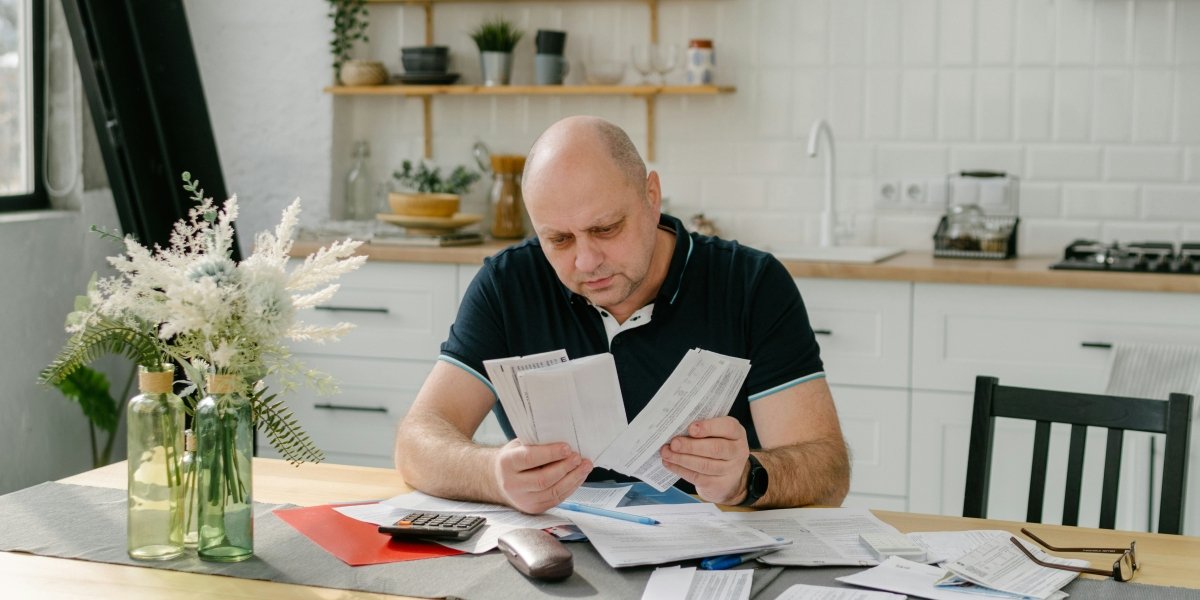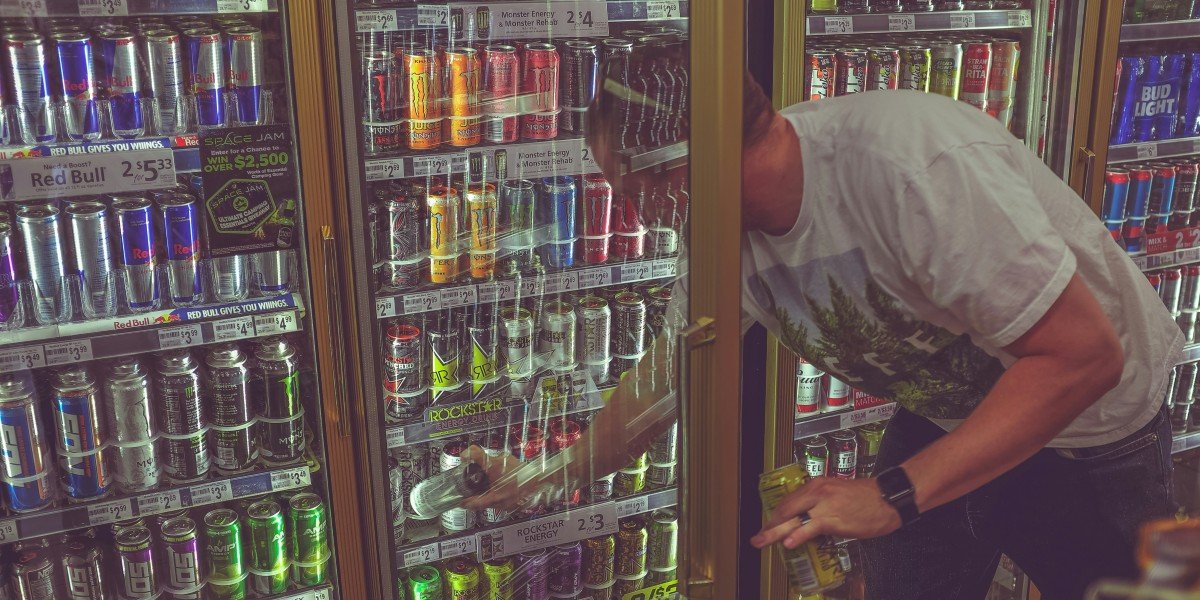

A new case from the UK pushed doctors to speak up about a problem they’re seeing more often. A man in his fifties arrived at a hospital with a stroke and dangerously high blood pressure. He seemed fit, active, and didn’t have an obvious medical history that explained what happened. The real clue appeared only after he admitted that he drank about eight energy drinks every day. Once he stopped, his blood pressure came down and stabilized.
That moment got doctors thinking about how many people may be consuming far more caffeine than their bodies can safely handle. Drinks that feel harmless can quietly pile on enough stimulants to strain the heart and blood vessels. Even though the case involved an extreme amount, it still highlights an issue that often goes unnoticed.
Health experts aren’t pushing panic. They’re encouraging people to understand how energy drinks work and how the body responds to large amounts of caffeine over time. With so many brands offering bold flavors and claims of performance boosts, it’s easy to forget how easily totals can add up.
How Energy Drinks Affect the Heart and Blood Pressure
Energy drinks are usually built around caffeine. Many brands add extra stimulants like guarana, which increases the total amount of active compounds even if the label doesn’t highlight it clearly. Caffeine is a stimulant that tightens blood vessels and speeds up the heart. When used lightly, the effect is mild. When used heavily, the pressure inside those vessels can spike higher than people expect.
The man in the UK case reached about 1200 mg of caffeine each day. For reference, many medical groups suggest that most adults stay closer to 400 mg. With enough daily intake, the heart begins working harder just to maintain a resting rhythm. Some people feel this as a fast heartbeat or shaky hands. Others feel nothing while their blood pressure climbs quietly from week to week.
Doctors often point to blood pressure swings as the reason energy drinks can matter for heart health. Sudden increases, especially in older adults or anyone with a hidden vulnerability, may raise the chance of a stroke. Those effects don’t hit everyone the same way, but the risk becomes clearer once the totals reach a high level.
Why Some People Feel Fine While Their Numbers Climb
One of the reasons heavy energy drink use surprises people is that the symptoms don’t always match the danger. Someone might feel wide awake and energetic without realizing their heart is working harder than usual. Many people assume something serious would cause an obvious warning sign. That isn’t always how blood pressure works. Some individuals can walk around with high readings and feel completely normal.
The man in the reported case had no major symptoms that pointed to a stroke risk until it happened. Even after treatment, he still deals with numbness that hasn’t fully gone away. His recovery shows how long-lasting effects can linger even after stopping the drinks. Doctors say this pattern is common. Once caffeine use reaches extreme levels, it can take time for the body to settle back into a healthier rhythm.
This difference between feeling fine and being fine is why doctors want more awareness. They’re not trying to scare casual drinkers or remove energy drinks from the shelves. The real message is that heavy daily intake can build up a risk that hides behind normal routines.
What Occasional Drinkers Should Know
Many people who drink an energy drink once in a while don’t fall into the same category as heavy users. One can, during a busy day, isn’t likely to trigger major problems for most healthy adults. The key is understanding how much caffeine each drink contains and how quickly totals can climb if you reach for a second or third can.
Different brands have different caffeine levels. Some have as little as 80 mg while others reach 300 mg or more. Large cans or double servings can push those numbers higher than people expect. A person who drinks coffee in the morning may not realize that adding one strong energy drink in the afternoon puts them close to a full day’s recommended limit.
Spacing caffeine throughout the day lowers the strain on the heart. Drinking several cans in a short stretch has a stronger effect and raises the chance of feeling jittery or lightheaded. Even if those feelings fade fast, they show that the body is working harder than usual.
How Heavy Daily Use Changes the Picture
People who rely on energy drinks for focus or stamina often fall into habits they don’t think about. Having two cans in the morning and two more in the afternoon becomes a routine. Over time, the total caffeine intake reaches levels that push blood pressure upward. Some individuals use energy drinks alongside coffee, tea, or supplements, which makes the totals even higher.
Doctors are concerned because high blood pressure often doesn’t have clear symptoms. A person may only learn about the issue during a physical exam or after a medical scare. For the man in the UK case, quitting energy drinks brought his blood pressure back into a safe range. That shift made it clear how much the drinks had been influencing his body.
The lesson here isn’t to fear energy drinks themselves. It’s important to understand that heavy reliance on them can slowly create conditions that stress the heart. Anyone who uses several cans a day may want to track how much caffeine they’re getting without judgment or shame. Awareness alone helps reduce hidden risk.
Practical Tips for Safer Use
Knowing your caffeine total is one of the simplest ways to stay comfortable with energy drinks. Most adults feel best under 400 mg per day from all sources combined. That includes sodas, coffees, teas, and chocolate. Small adjustments can make a difference. Swapping one high caffeine drink for something milder eases pressure on the heart without removing caffeine entirely.
Spacing drinks across the day also matters. The body handles caffeine more easily when it arrives at a steady pace. Drinking several cans in one sitting can overwhelm the system and cause an uncomfortable spike. If someone notices headaches, jitteriness, chest discomfort, or trouble sleeping, those can be early signs that caffeine intake is getting too high.
People with high blood pressure, irregular heart rhythms, or anxiety may be more sensitive to stimulants. That doesn’t mean they have to avoid energy drinks entirely. It just means the margin for comfort is narrower and worth paying attention to. A bit of awareness goes a long way in keeping energy drink use safe and manageable.