
Governor Gavin Newsom signed Assembly Bill 2244 on September 28, 2026. The law creates the first government-backed “Non-Ultraprocessed Certified” food label in the United States. Manufacturers can choose to certify qualifying products, and large California grocery stores will be required to display certified items prominently.
Key Takeaways
- AB 2244, by Assemblymember Jesse Gabriel (D-Encino), sets up a voluntary state certification program with a standardized seal reading “Non-Ultraprocessed Certified Food Standard” or “Non-UPF Certified.”
- The California Department of Public Health will oversee accredited third-party agents that verify whether products meet the standard.
- Grocery stores with more than $10 million in annual sales that carry more than 25 certified product types must display those products in easy-to-identify locations, such as through special signage or separate placement.
- Certified products must be recertified at least every three years, and misuse of the label is subject to enforcement.
- The bill passed the Legislature unanimously and was signed as part of a ten-bill package that also requires added-sugar warnings on chain restaurant menus and nutrition standards for children’s meals.
How The Non-UPF Certified Label Works
AB 2244 does not ban any food or require any manufacturer to change a product. It creates a voluntary standard: food makers whose products meet California’s definition of non-ultraprocessed can apply for certification and put the seal on their packaging. The Governor’s office compared the approach to the USDA Organic label, which gives manufacturers a voluntary benchmark and leaves the decision to shoppers.
Certification runs through accredited third-party agents, not state inspectors, with the California Department of Public Health overseeing the system. Under the bill text, an agent cannot certify a product that is classified under state law as an ultraprocessed food, an ultraprocessed food of concern, or a restricted school food. Products that rely on additives such as dyes, flavor enhancers, non-sugar sweeteners, and certain processing aids will not qualify.
The seal is not permanent. Each certified product must be recertified at least every three years, and misuse of the label is subject to enforcement. The law also creates the Public Health Food and Nutrition Education Fund to pay for implementation and to educate shoppers and industry about the new standard.
What The Law Means For California Grocers
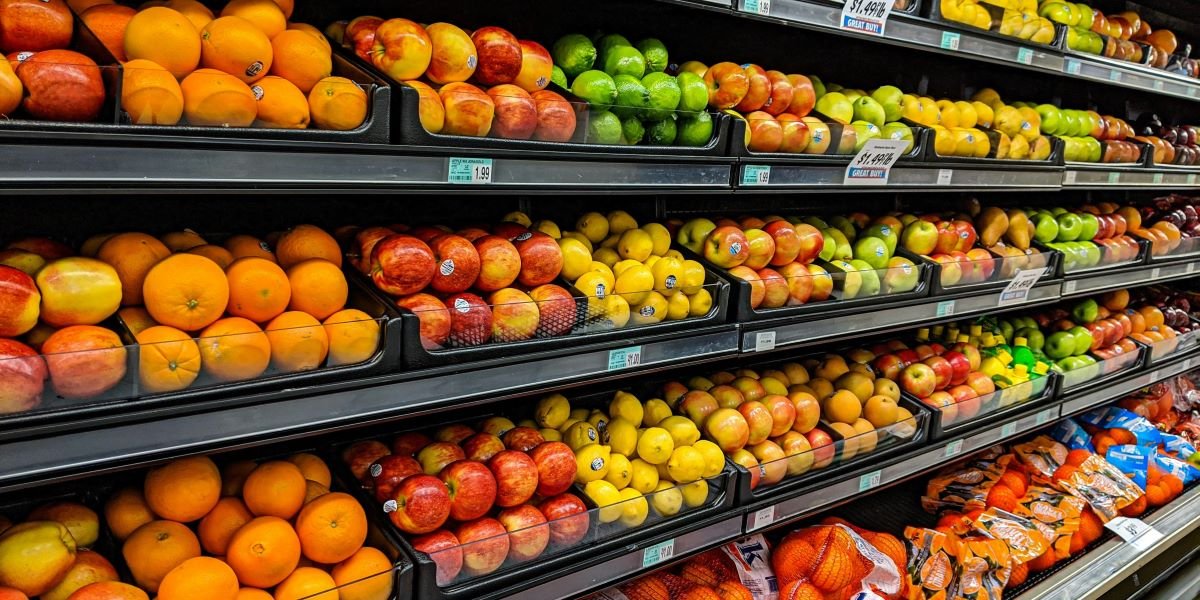
For grocery retailers, the key provision is about store layout. Stores with more than $10 million in annual sales that stock more than 25 certified product types must make those items easy to find, for example through dedicated signage or separate placement in the store. Where products sit on a shelf strongly affects what shoppers buy. The law adds certification to the factors that decide where products go.
The thresholds limit the requirement to larger operations. Small neighborhood markets and independent grocers under the sales threshold are not covered, while regional and statewide chains will need to plan for certified sections or signage once certified products reach their shelves in volume.
A New Market Signal For Food Manufacturers
For food manufacturers, especially California’s many natural and minimally processed food brands, the label offers a state-backed way to set products apart on crowded shelves. Combined with the required in-store visibility at large grocers, certification could become a practical marketing tool for brands whose products already meet the standard.
For companies with ultraprocessed products, nothing is required. Those products stay legal and on shelves. However, reformulating a product to earn the seal becomes a possible business decision in the country’s most populous state, which has long influenced national food and consumer product standards.
What Shoppers Will See
For California shoppers, the change is about clarity. Ingredient lists can be long and hard to read, and “ultraprocessed” has had no consistent meaning on packaging. Assemblymember Gabriel summed up the aim this way: “Parents shouldn’t need a Ph.D. in chemistry to understand what they’re feeding their kids.”
The label won’t appear on shelves right away. The Department of Public Health must first accredit certification agents, and manufacturers must then apply and qualify. The seal is expected to appear gradually, not all at once.
A Broader Package Built On Earlier Food Laws
AB 2244 builds on the Healthy Foods, Healthy Kids Act, AB 1264, which Newsom signed in October 2025. That law made California the first state to officially define ultraprocessed foods and set a timeline for phasing them out of school meals. The new label applies that school-focused definition to the grocery aisle.
The same signing package includes several related measures:
- SB 869 requires chain restaurant menus to flag drinks that contain more than the recommended daily intake of added sugar.
- SB 977 requires chain restaurants to offer at least one children’s meal that meets a minimum nutrition standard.
- AB 1731 creates a program through the Office of Farm to Fork to connect local vendors with California public institutions.
Newsom framed the package around prevention, saying the state “should be about healthcare, not sick-care.”
Other States May Follow California’s Model
California has often set standards that spread beyond its borders, and food policy has followed that pattern. Its earlier restrictions on certain food additives drew national attention and similar proposals in other states. Because AB 2244 is voluntary and market-based, not a ban, it may be easier for other states to adopt. Food industry observers have already described it as a possible blueprint.
How widely the label spreads will depend on what happens once certification begins: how many manufacturers apply, how quickly large grocers set up displays, and whether shoppers come to recognize the seal.
FAQs
What Is The California Non-Ultraprocessed Certified Label?
It is a voluntary, state-backed seal created by AB 2244 for food products that meet California’s non-ultraprocessed standard. The seal reads “Non-Ultraprocessed Certified Food Standard” or “Non-UPF Certified.”
Is The Non-UPF Label Mandatory For Food Companies?
No. Manufacturers decide whether to seek certification. Products that don’t carry the label remain legal to sell in California.
Who Certifies Foods As Non-Ultraprocessed In California?
Accredited third-party certification agents verify products, with oversight from the California Department of Public Health. Certified products must be recertified at least every three years.
Which Grocery Stores Must Display Certified Products?
Stores with more than $10 million in annual sales that carry more than 25 certified product types must display those products in easy-to-identify locations, such as through signage or separate placement.
When Will Shoppers See The Non-UPF Label In Stores?
The label will appear gradually. The Department of Public Health must first accredit certification agents, and manufacturers must then apply for and receive certification.