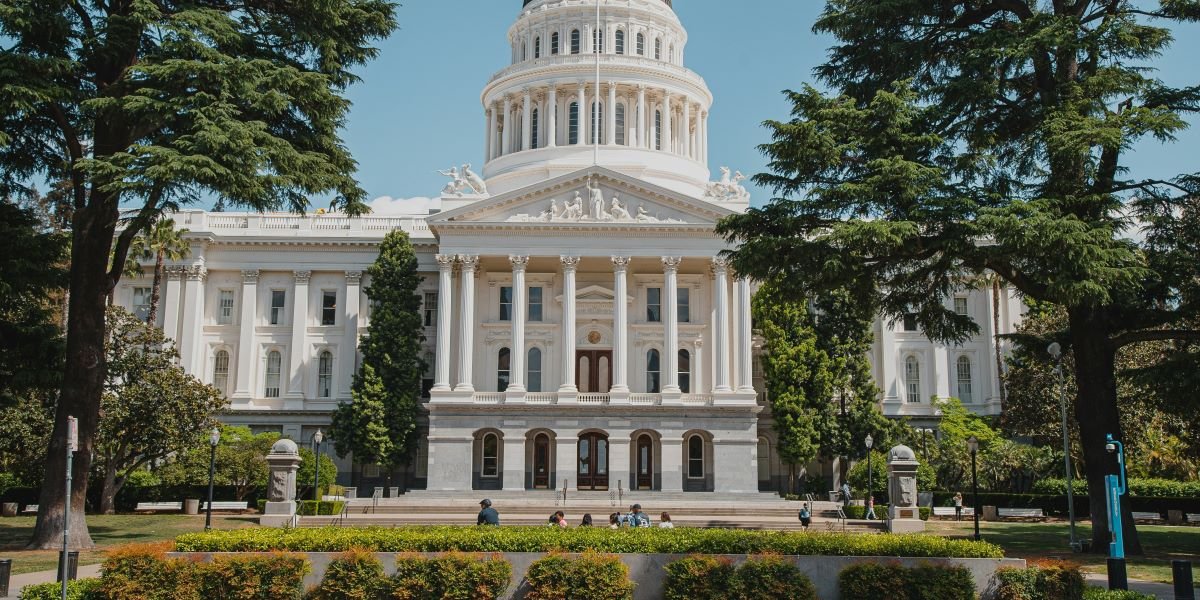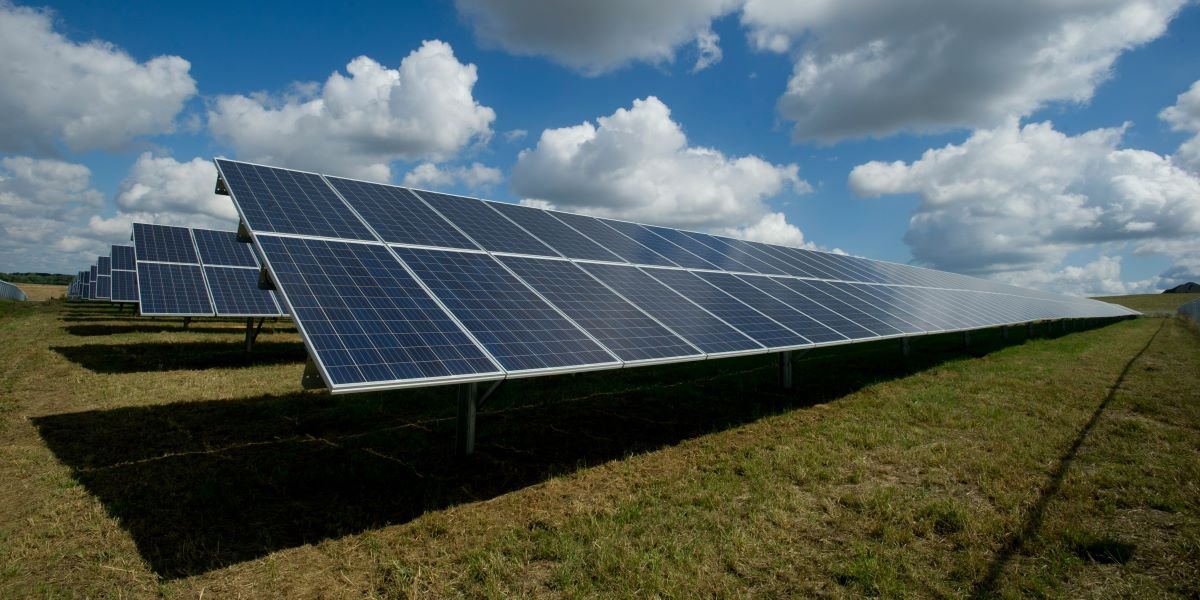

The California Air Resources Board on September 21 released its annual statewide greenhouse gas inventory showing that emissions fell 3.9% in 2024 while the state’s gross domestic product grew 3.2% over the same period. The data extends a two-decade pattern in which California has reduced climate pollution while expanding what is now the world’s fifth-largest economy, with overall emissions now sitting 28% below their 2004 peak. Governor Gavin Newsom released the figures ahead of Climate Week NYC and alongside the signing of a package of clean energy and electric transportation legislation designed to accelerate the state’s decarbonization timeline.
Key Takeaways
- California’s statewide greenhouse gas emissions declined 3.9% in 2024, according to new data from the California Air Resources Board released September 21.
- The state’s economy grew 3.2% during the same year, continuing a pattern in which GDP has nearly doubled since 2004 while emissions have fallen 28%.
- California leads the nation in clean energy employment with 552,300 workers across clean energy technologies, nearly twice as many as second-ranked Texas.
- The state’s clean energy workforce grew by nearly 7,300 workers in 2024, outpacing job growth in the rest of California’s economy by more than three times.
- Governor Newsom signed a package of clean energy and electric transportation bills the same day, and also announced $886 million in utility bill relief through California Climate Credits on September 22.
Emissions Down 28% From 2004 Peak as Economy Nearly Doubles
The CARB inventory tracks emissions across all major sectors of California’s economy, including transportation, electricity generation, industrial operations, agriculture, and buildings. The 3.9% decline in 2024 marks one of the steeper single-year reductions in the inventory’s history, though the state has posted consistent annual decreases for over a decade, with the exception of a brief uptick in 2018.
The cumulative picture is where the numbers carry the most weight. Since 2004, when California’s emissions reached their recorded peak, the state has reduced total greenhouse gas output by 28%. Over the same period, California’s GDP has nearly doubled, growing from approximately $2.1 trillion to more than $4.1 trillion. That divergence between emissions trajectory and economic output is central to the Newsom administration’s argument that decarbonization and economic growth are not in tension — and that California’s regulatory framework has facilitated both.
The Governor’s Office framed the release against a national political backdrop, noting that the data arrived the same week that federal lawmakers were debating energy policy that the administration characterized as favoring fossil fuel producers over long-term economic competitiveness. Newsom described the emissions decline as evidence that California’s approach to climate policy is working and that the state will continue leading on clean energy regardless of what happens at the federal level.
Clean Energy Workforce Outpaces Broader Job Growth by Three to One
The CARB data release was accompanied by workforce figures that illustrate the employment dimension of California’s energy transition. According to a 2025 report from the nonpartisan business group E2, California employs 552,300 workers across clean energy technologies — nearly double the 280,000-plus clean energy workers in Texas, the second-ranked state. The clean energy workforce grew by approximately 7,300 workers in 2024, a rate that outpaced job growth in the rest of California’s economy by more than three times.
The jobs data covers a broad range of occupations, from solar panel installation and battery storage manufacturing to energy efficiency retrofitting and electric vehicle production. California’s position as the nation’s leading market for zero-emission vehicles plays a significant role in the employment figures. The state accounts for the largest share of U.S. EV sales, and the growing network of charging infrastructure, maintenance facilities, and manufacturing supply chains tied to the ZEV market has created employment pipelines that did not exist a decade ago.
The broader economic context reinforces the trend. Through July 2026, California accounted for one in six new jobs nationally, contributing 16.5% of the country’s overall job growth since the beginning of the year. Employers across the state added approximately 131,534 jobs from the first quarter of 2025 to the first quarter of 2026, more than any other state over the same period. Average weekly wages in California increased 4.6% year over year, reaching $1,954 in the fourth quarter of 2025 and outpacing the national average wage increase of 4.2%.
New Legislation Targets Electric Transportation and Grid Reliability
On the same day the emissions data was released, Governor Newsom signed a package of clean energy and electric transportation bills that consumer advocates, clean-air organizations, and electric-transportation stakeholders praised as accelerating California’s transition to affordable, reliable clean energy. The legislation builds on a regulatory infrastructure that includes the state’s cap-and-trade program, zero-emission vehicle mandates, and renewable portfolio standards that together form the policy architecture behind the emissions declines.
The extension of California’s cap-and-trade program through 2045 provides the long-term market signal that underpins many of the state’s emissions reduction gains, requiring companies that emit large amounts of climate pollution to purchase allowances for their emissions while generating revenue that funds infrastructure investments and direct consumer relief.
The electricity sector continues to drive a significant share of the emissions reduction. California’s renewable energy portfolio now generates a large and growing share of the state’s electricity, and battery storage capacity has expanded rapidly enough that clean energy supplied the grid on more than nine out of 10 days during the first half of 2026. In 2024, Governor Newsom launched a State Battery Storage Safety Collaborative that has delivered updated fire codes, new state oversight of battery facilities, and stronger safety standards statewide, addressing concerns that accompanied the rapid buildout of storage infrastructure.
$886 Million in Climate Credits Return Revenue to Households
One day after the emissions data release, on September 22, the Governor’s Office announced $886 million in utility bill relief through California Climate Credits, which are funded by the state’s cap-and-trade program. The credits appear on residential electricity bills and are designed to return a portion of the revenue generated by the cap-and-trade system directly to households. The average credit this summer was $75 per household, and the distribution is timed to coincide with the peak electricity demand months when utility bills tend to be at their annual high.
The California Climate Credit is managed by the California Air Resources Board. Companies that emit large quantities of greenhouse gases must purchase allowances for their emissions under the cap-and-trade program, and a portion of the revenue generated by those allowance purchases is returned to residential ratepayers as a bill credit. Since its inception, the cap-and-trade program has generated $37 billion in climate investments, supporting more than 143,000 jobs and cutting millions of tons of carbon emissions across the state.
The timing of the Climate Credit announcement alongside the emissions inventory creates a two-part message from the Newsom administration: emissions are declining, and the policy framework responsible for those declines is also putting money back in the pockets of California households. Whether that framing holds up against consumer concerns about energy costs — particularly in a state where electricity rates remain among the highest in the nation — will depend on the trajectory of both the emissions data and the utility bills in the years ahead.
What the Numbers Mean for California’s 2030 and 2045 Targets
California has set legally binding targets to reduce greenhouse gas emissions to 40% below 1990 levels by 2030 and to achieve economy-wide carbon neutrality by 2045. The 2024 data brings the state closer to the 2030 target, but climate policy analysts have noted in prior years that the pace of annual reductions must accelerate to meet the 2030 mandate on schedule. Sustained annual declines in the range of 4% or higher are required to close the gap, and while the 2024 figure of 3.9% approaches that threshold, maintaining it year after year across all sectors — particularly transportation, which remains the state’s largest single source of emissions — is the structural challenge that lies ahead.
The state’s venture capital ecosystem adds a resource that other states lack. California attracted $366 billion in venture capital funding in the first half of 2026, more than the other 49 states combined, much of it flowing into AI, clean energy, and climate technology companies. That capital pipeline feeds a cycle in which California-based startups develop technologies that scale through the state’s regulatory framework and then export those solutions to national and international markets.
For now, the 2024 CARB inventory reinforces a trajectory that California has maintained for two decades: emissions going down, the economy going up, and a regulatory framework that the state’s elected officials intend to keep building on regardless of the direction federal policy takes.
FAQs
How Much Did California Greenhouse Gas Emissions Fall in 2024?
California’s statewide greenhouse gas emissions declined 3.9% in 2024, according to the annual inventory released by the California Air Resources Board on September 21, 2026. Overall emissions are now 28% below their 2004 peak, while the state’s economy has nearly doubled over the same period.
What Is California’s Cap-and-Trade Program?
California’s cap-and-trade program requires companies that emit large quantities of greenhouse gases to purchase allowances for their emissions. The program sets a statewide cap on emissions that declines over time, creating a market incentive to reduce pollution. Revenue generated by allowance sales funds climate investments and direct consumer relief, including the California Climate Credit on residential utility bills. The program was extended through 2045.
How Many Clean Energy Workers Does California Employ?
California leads the nation with 552,300 clean energy workers, according to a 2025 report from E2. The clean energy workforce grew by approximately 7,300 workers in 2024, outpacing broader job growth in the state’s economy by more than three times. Texas ranks second with roughly half the clean energy employment of California.
What Are California’s Emissions Reduction Targets?
California has legally binding targets to reduce greenhouse gas emissions to 40% below 1990 levels by 2030 and to achieve economy-wide carbon neutrality by 2045. Meeting the 2030 target requires sustained annual emissions declines of approximately 4% or higher across all sectors, with transportation remaining the largest single source of statewide emissions.